
Baucau's Integrated Health Program: What it Means for Workforce Stability and Rural Investment
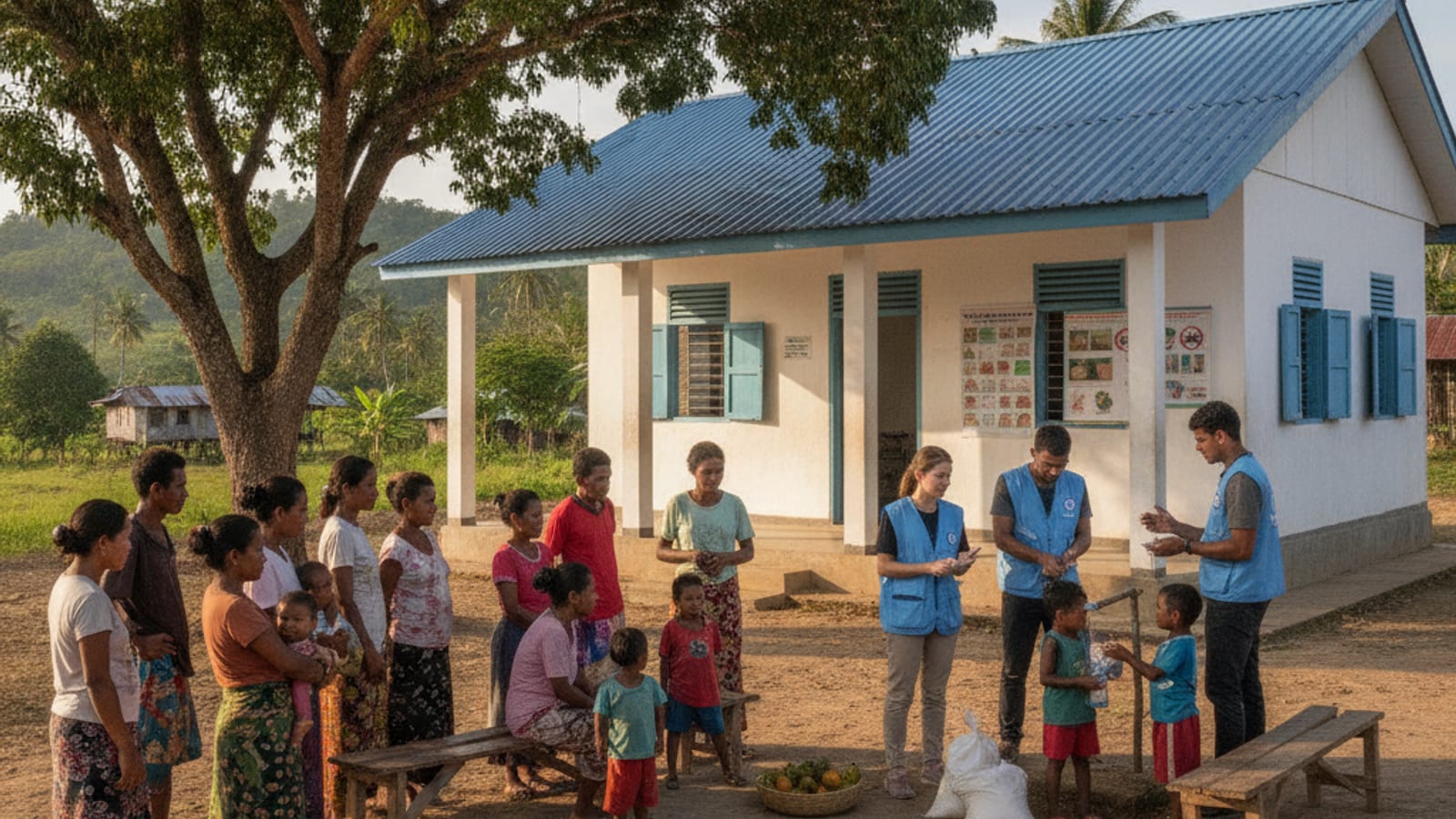
The Baucau Municipal Health Service (SMS Baucau) is actively implementing an Integrated Health Program (PIS) to enhance community access to basic health services, particularly in remote villages. This initiative, underpinned by national decentralisation frameworks such as Decree-Law No. 3/2016, amended by Decree-Law No. 84/2023, focuses on primary health care and aims to extend the reach of medical support across the municipality.
This is a significant development for any organisation with operations or an interest in Baucau, especially those engaging with local communities or employing staff in rural areas. It signals a tangible effort to improve public health infrastructure and service delivery beyond the traditional urban centres.
Implications for Workforce Health and Productivity
For businesses and NGOs operating in Timor-Leste, especially those with a presence in Baucau, improved access to healthcare can have a direct and positive impact on their workforce. The program’s core activities, such as the establishment of 63 SISKa (Integrated Community Health System) posts across Baucau’s 62 villages and the deployment of five family health promoters per village, mean that preventive care and early intervention are becoming more accessible. These promoters act as educators, mediators, and mobilisers, working alongside local authorities to identify and address health issues within the community.
This enhanced primary care network, coupled with home visits and proactive case identification, can lead to a healthier local population. For employers, this translates into potential reductions in absenteeism dueated to illness, improved employee morale, and increased productivity. A workforce with better access to health services is generally a more stable and effective workforce. Organisations should consider how they can support and leverage these local health initiatives, perhaps through health awareness programs or by encouraging employee participation in community health activities, to further benefit from a healthier operating environment.
Signals for Rural Development and Investment
Beyond direct health benefits, this program underscores a broader governmental commitment to rural development and decentralisation. The focus on establishing new health infrastructure, including three additional health posts currently under construction, a Veteran Health Treatment Centre, and support for a clinic in Fatumaka, alongside existing facilities (nine health centres and 32 health posts), indicates a strategic effort to uplift rural areas. The recent inauguration of a new health post in Uatuhako-Venilale and the construction of facilities in Ossoala-Vemasse further reinforce this trend.
For foreign investors and development partners, this sustained investment in rural health infrastructure and human resources (SMS Baucau employs 594 staff, including 450 health professionals) can make Baucau’s rural areas more attractive for investment. A healthier, more stable population provides a better foundation for local markets and a more reliable labour pool. Sectors such as agriculture, eco-tourism, and small-scale manufacturing that rely heavily on local communities could see benefits from these improved conditions. Organisations considering expansion or new ventures in Baucau’s districts should factor in these developments, as they contribute to a more robust and resilient local economy and community.
Source: SMS Baukau implementa Programa Integradu Saúde liuhusi atividade bázika — TATOLI
This article is general information, not advice. Rules and rates change and your situation may differ. Talk to us before acting on anything here.