
Beyond Coffee and Boats: Navigating China's Evolving Engagement in Timor-Leste
The recent international news highlighting China’s evolving role in Timor-Leste, encompassing areas from coffee bean trade to patrol boat cooperation and Mandarin language initiatives, underscores a significant shift in the nation’s international engagement. This multi-faceted interaction suggests a deepening relationship that presents both opportunities and considerations for businesses, NGOs, and foreign investors operating within Timor-Leste. Understanding the practical implications of these developments is crucial for strategic planning and operational resilience.
Economic Diversification and Market Access
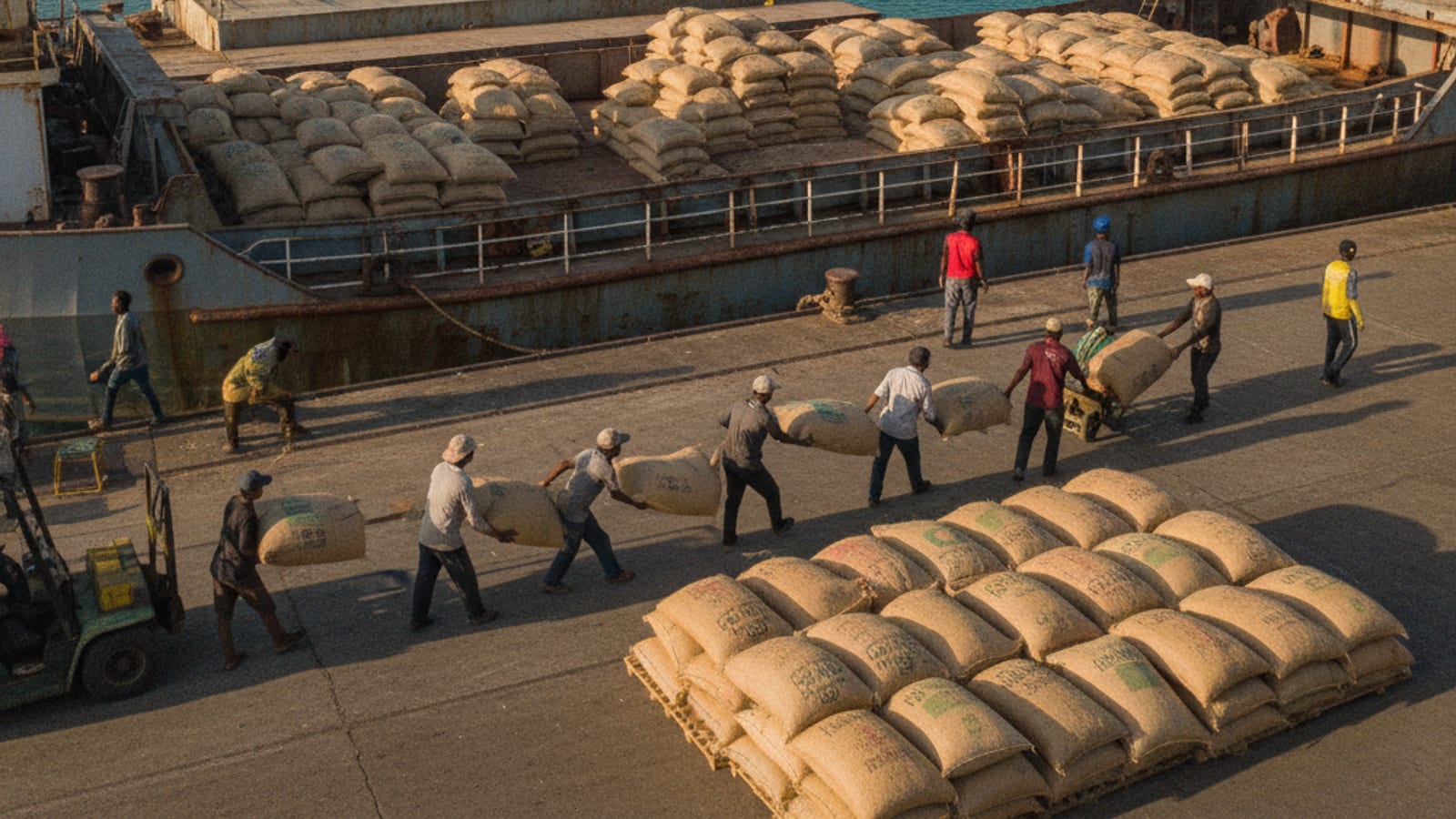
The mention of “coffee beans” points directly to the agricultural sector and Timor-Leste’s export potential. China’s interest in Timorese coffee signals a potential new market for one of the country’s most significant agricultural products. For local coffee producers, cooperatives, and exporters, this could translate into increased demand, potentially higher prices, and opportunities for scaling production. However, it also means a need to understand specific market requirements, quality standards, and logistical pathways for export to China. Businesses in the agricultural supply chain, from farming to processing and logistics, should monitor developments in trade agreements and export facilitation programs that might arise from this evolving relationship. NGOs supporting rural development and agricultural livelihoods could find new avenues for partnership and funding to enhance production capabilities and market readiness.
Strategic Infrastructure, Security, and Human Capital Development
The reference to “patrol boats” suggests cooperation in maritime security and potentially broader infrastructure development. Enhanced maritime security can have a direct positive impact on various sectors, including fisheries, shipping, and coastal tourism, by reducing risks associated with illegal activities and improving safety. For businesses reliant on sea transport or operating in coastal zones, this could mean more reliable supply chains and a more secure operating environment. Furthermore, such cooperation often comes with associated infrastructure development, such as improved port facilities or maintenance capabilities, which can reduce logistics costs and improve efficiency for all businesses importing or exporting goods.
The inclusion of “Mandarin” highlights a growing focus on language and cultural exchange. As China’s economic and diplomatic presence in Timor-Leste expands, proficiency in Mandarin will become an increasingly valuable asset. For employers, this could mean a competitive edge for candidates with Mandarin skills, particularly in roles involving international trade, diplomacy, or hospitality. Organisations dealing directly with Chinese partners or seeking to attract investment from China might consider internal language training programs or prioritising candidates who can bridge the language barrier. For the education sector and NGOs focused on capacity building, this signals a potential area for curriculum development and vocational training to meet future workforce needs.
Organisations operating in Timor-Leste should view these developments as part of a broader trend towards diversified international partnerships. Proactive engagement with government agencies, industry associations, and relevant cultural bodies can help businesses and NGOs anticipate changes, identify new opportunities, and mitigate potential risks associated with an evolving geopolitical and economic landscape. Adapting to these shifts will be key to long-term success in Timor-Leste.
Source: Coffee beans, patrol boats and Mandarin: China’s evolving role in Timor-Leste — The Straits Times
This article is general information, not advice. Rules and rates change and your situation may differ. Talk to us before acting on anything here.