
BTL's Revenue Drive and Budget Boost: What it Means for Timor-Leste's Water Infrastructure
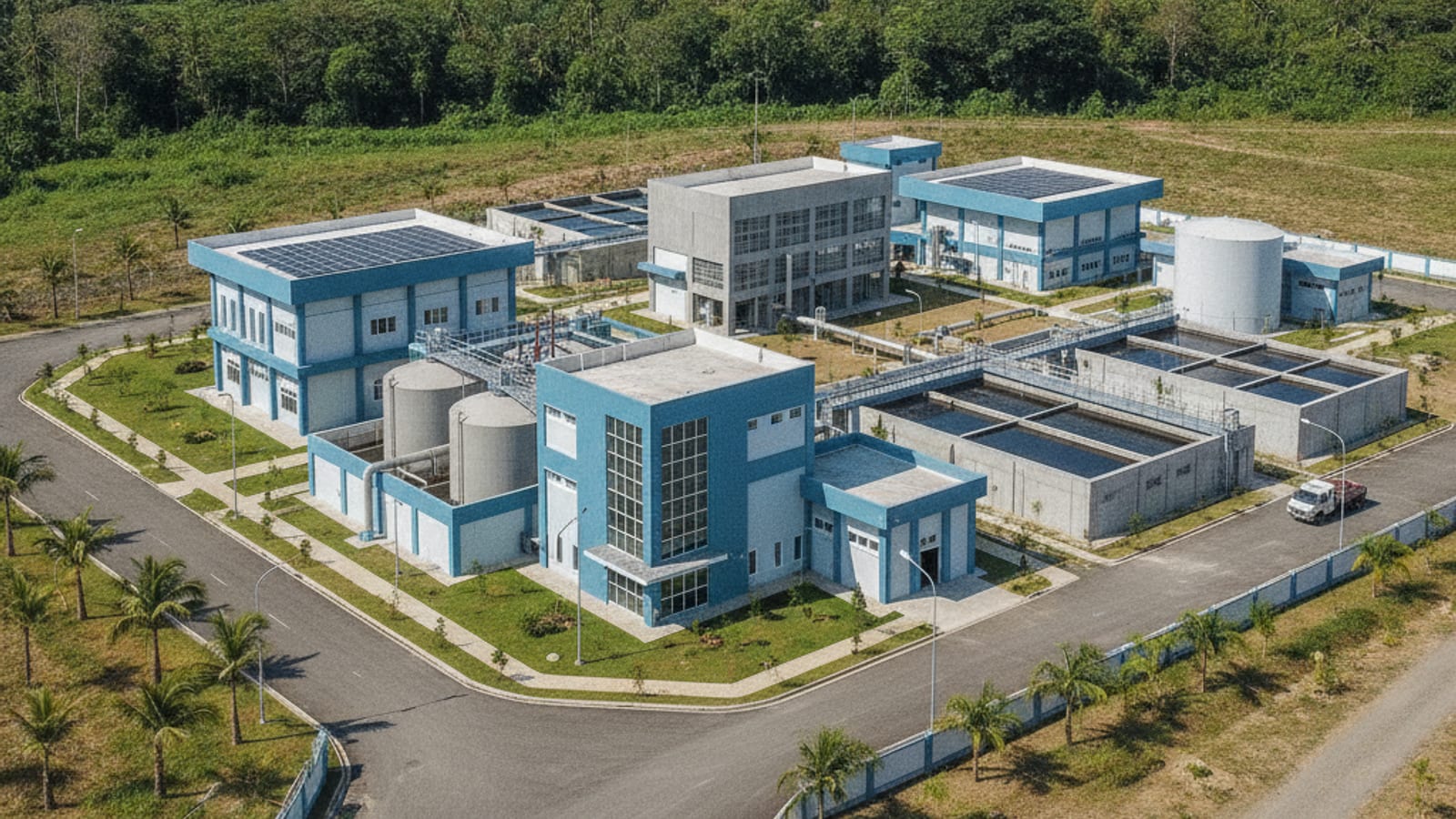
Bee Timor-Leste, E.P (BTL), the public enterprise responsible for water supply, reported collecting $2.1 million in revenue between January and September 2026. This puts them on track to meet the Ministry of Finance’s projection of $3 million for the year, a target BTL states it is actively striving to achieve. This focus on financial performance, alongside significant upcoming budget allocations, has practical implications for organisations relying on consistent water services across Timor-Leste.
Implications for Operational Reliability and Costs
BTL’s ongoing efforts to collect revenue, primarily from fees, new connections, and water sales, are crucial for its operational stability and capacity to maintain services. For businesses, NGOs, and development partners, a financially healthier BTL can translate into more reliable water supply, reducing the risks of disruptions that can impact production, hygiene, and daily operations. While the report does not indicate any immediate changes to water tariffs, the emphasis on meeting revenue targets suggests that BTL will continue to focus on effective billing and collection processes. Organisations should ensure their water meters are accurate, their billing information is up-to-date, and that payments are made promptly to avoid service interruptions. Understanding your organisation’s water consumption patterns and costs remains a key component of effective operational budgeting in Timor-Leste.
Future Infrastructure Development and Regional Focus
The most significant signal from this report is BTL’s budget allocation for 2027. The enterprise is set to receive $8 million from the General State Budget, a substantial increase from the $4.5 million allocated in 2026, of which 75% ($3.375 million) has already been executed. This increased funding is specifically prioritised for “improvements to community water systems.” This commitment suggests a concerted effort to upgrade and expand Timor-Leste’s water infrastructure.
Of particular note is the plan to transform rural water systems into urban ones in Bobonaro and Atabae. For organisations operating or considering expansion into these districts, this could mean improved access to potable water, better pressure, and enhanced reliability in the coming years. This development could reduce logistical challenges and operating costs associated with securing water in these regions. Businesses involved in construction, engineering, or related services may also find opportunities as BTL embarks on these infrastructure projects. Organisations should monitor BTL’s project announcements and engage with local authorities to understand the timelines and specific areas targeted for these improvements, allowing for better long-term planning and investment decisions.
Source: BTL arrekada reseita millaun $2,1 iha trimestre datoluk — TATOLI
This article is general information, not advice. Rules and rates change and your situation may differ. Talk to us before acting on anything here.