
Building Resilience: Youth Eco-Camps Address Climate Impact and Foster Green Skills in Timor-Leste
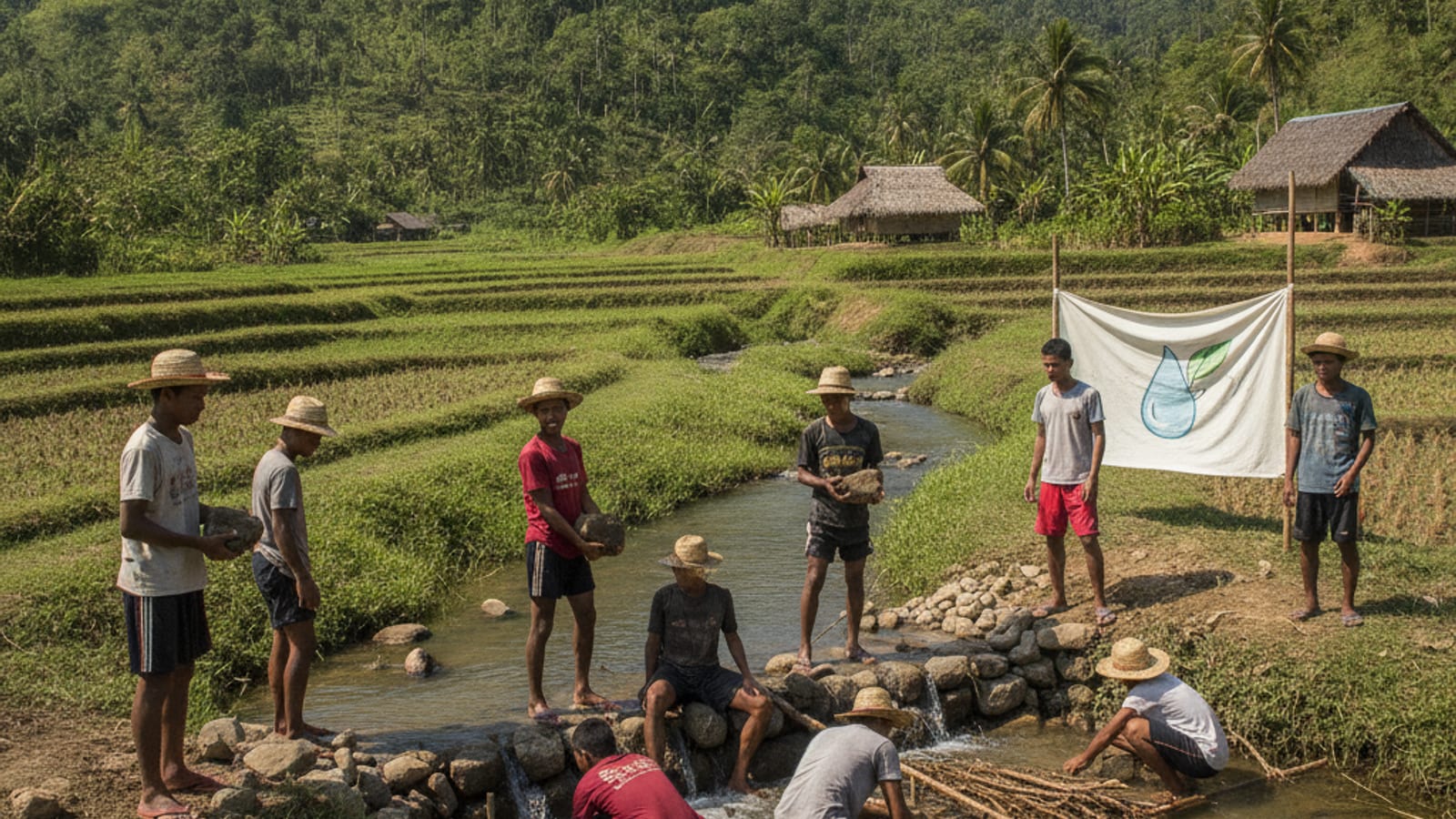
The recent eco-camp organized by the NGO HADAEK, in collaboration with PERMATIL and the APY Association, in Suku Osorua, Ossú, Viqueque, brought into sharp focus Timor-Leste’s proactive approach to environmental challenges. Running from September 1-4, 2026, the “Viqueque Perma Youth Camp 2026” aimed to empower young people to become “agents of change” in natural resource conservation and disaster risk management, with a specific focus on water and soil conservation.
The initiative directly addresses the pressing issues of climate change, particularly the impacts of El Niño and La Niña, which have led to altered rainfall patterns, prolonged dry seasons, and severe water scarcity in areas like Viqueque. According to HADAEK representative Honório da Silva de Jesus, this has resulted in dried-up springs and significant challenges for communities to access water for daily consumption and food production, disproportionately affecting women and children.
Navigating Climate Risks and Operational Resilience
For businesses, NGOs, and development partners operating in Timor-Leste, the issues highlighted by this eco-camp are not merely environmental concerns; they represent tangible operational risks. Water scarcity and unpredictable weather patterns can significantly impact various aspects of an organization’s work. For example, agricultural enterprises face direct threats to crop yields and supply chain stability. Even non-agricultural businesses may experience increased operational costs due to the need for alternative water sources, or disruptions in local supply chains that rely on agricultural inputs.
Furthermore, the broader community stress caused by water shortages can affect workforce availability and well-being. Organizations need to consider the resilience of their infrastructure and operations against climate impacts. This includes assessing water management strategies, planning for potential disruptions in resource availability, and understanding how environmental degradation in surrounding communities might indirectly affect their operations. Proactive climate risk assessments and the development of contingency plans are becoming increasingly vital for sustainable operations in Timor-Leste.
Emerging Green Skills and Economic Diversification
A significant aspect of the HADAEK camp is its commitment to providing practical skills training to youth, thereby fostering “ecological entrepreneurship” and contributing to a “green business” sector. The 603 participants, including youth from Viqueque, Lautem, Dili, Ermera, and even international attendees, received training in areas such as building check dams and infiltration wells, establishing vegetable nurseries, composting, producing organic fertilizer, and waste management.
This focus on practical, sustainable skills has important implications for Timor-Leste’s workforce and economic diversification. For employers, this signals a growing pool of young talent equipped with skills relevant to sustainable agriculture, resource management, and environmental protection. Organizations looking to integrate more sustainable practices into their operations may find these skills increasingly valuable. For investors, the emphasis on ecological entrepreneurship points towards emerging opportunities in green sectors, such as sustainable farming, water infrastructure solutions, waste recycling, or eco-tourism.
The government’s support for such grassroots initiatives, even when facilitated by NGOs, underscores a broader national aspiration for economic growth that is diversified and environmentally conscious. Businesses and investors should monitor these developments closely, as they may indicate future policy directions, funding opportunities, or a shift in consumer demand towards more sustainable products and services. Engaging with local communities and supporting such skill-building initiatives can also be a valuable component of corporate social responsibility (CSR) programs, enhancing an organization’s local standing and contributing to a more resilient operating environment.
This article is general information, not advice. Rules and rates change and your situation may differ. Talk to us before acting on anything here.