El Niño's Grip: Water Scarcity and Business Continuity in Timor-Leste
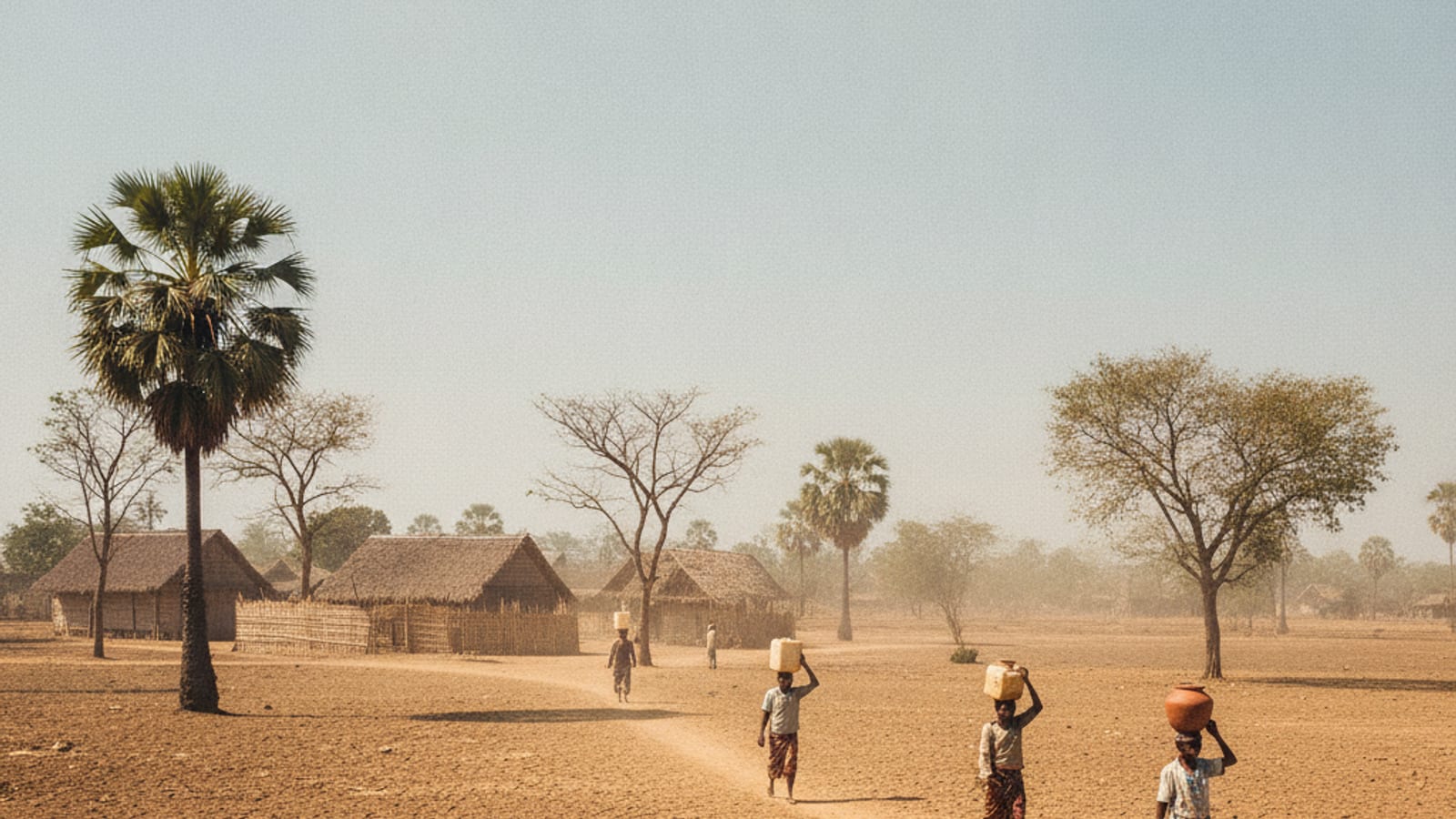
The ongoing El Niño phenomenon is significantly impacting Timor-Leste, with a recent report from TATOLI highlighting the severe water scarcity in Vikeke Municipality. With three out of four local water sources in Aldeia Uatulesu, Suku Uaimori, now dry, the Vikeke Fire Unit has stepped in to provide clean water to 35 households, affecting 199 people. This intervention underscores a broader challenge that businesses, NGOs, and development partners operating across the country should closely monitor.
Operational Risks and Supply Chain Impacts
The extended dry season, which the National Directorate of Meteorology and Geophysics (DNMG) forecasts to continue until April 2027, presents tangible operational risks. For many businesses, water is a fundamental input, not just for staff and hygiene, but for core processes. Construction companies, for instance, rely on consistent water supply for concrete mixing and dust control. Hotels and restaurants require significant volumes for cleaning, kitchens, and guest services. Agriculture, a cornerstone of the rural economy, is particularly vulnerable; reduced rainfall can lead to lower crop yields and livestock health issues, potentially increasing food prices and impacting local supply chains.
Organisations might face increased operational costs due to the need to purchase and transport water, or invest in alternative water sources and storage solutions. Logistics could also be affected if infrastructure relies on water-dependent systems or if agricultural disruptions lead to changes in local markets. It is prudent for businesses to assess their water footprint, identify critical dependencies, and explore contingency plans for potential shortages.
Workforce Well-being and Productivity
Beyond direct operational needs, water scarcity has a profound impact on the local workforce and community stability. When households face difficulties accessing clean water, employees may experience increased stress, health concerns related to hygiene, and spend more time fetching water. This can lead to higher absenteeism rates, reduced productivity, and a decline in overall staff well-being.
For NGOs and development partners, the implications are even more direct. Increased demand for Water, Sanitation, and Hygiene (WASH) programs and emergency water provision will likely strain resources and require adaptive programming. Employers should consider how they can support their staff during this period, perhaps through providing access to clean water at work, promoting water-saving practices, or offering flexible arrangements to accommodate water collection needs, where feasible. Monitoring the health and welfare of employees and their communities becomes even more critical.
Strategic Preparedness and Monitoring
Given the DNMG’s forecast for the dry season to persist until April 2027, organisations must move beyond immediate responses and consider strategic preparedness. This includes conducting a thorough water audit to understand consumption patterns and identify areas for efficiency, exploring options for rainwater harvesting or boreholes where appropriate, and establishing robust communication channels to keep staff informed about the situation and company policies.
Regularly monitoring official bulletins from DNMG and other relevant government agencies will be crucial for anticipating further developments and adjusting plans accordingly. While the immediate focus is often on humanitarian aid in affected communities, the ripple effects of prolonged water scarcity will inevitably touch all sectors of the economy. Proactive planning and resource management are key to mitigating risks and ensuring business continuity in these challenging conditions.
Source: Bailoron naruk afeta bee-matan sira, Bombeiru fornese bee-moos ba uma-kain 35 iha Uaimori — TATOLI
This article is general information, not advice. Rules and rates change and your situation may differ. Talk to us before acting on anything here.