
Elemloi Roundabout Demolition: Navigating Dili's Evolving Road Network
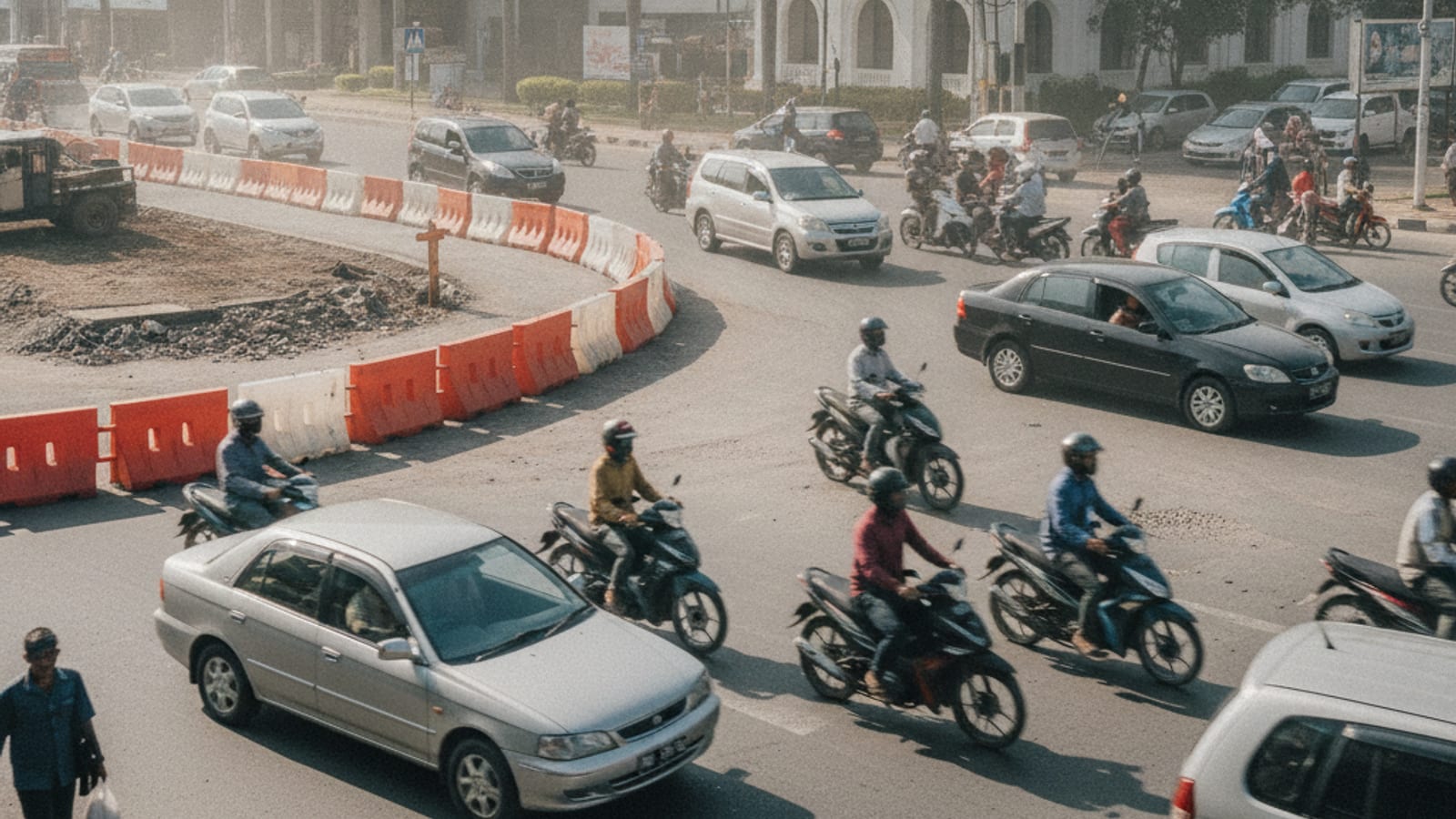
The Ministry of Public Works (MOP) has commenced the demolition of the Elemloi roundabout in Dili’s Delta area. This move, according to TATOLI, is a direct response to the persistent traffic congestion caused by the roundabout’s narrow dimensions, particularly challenging for larger vehicles. This development is part of a broader government initiative to improve traffic circulation and expand the Elemloi–Ponte Comoro III road, an effort that has already impacted over 30 houses in the vicinity.
For businesses, NGOs, and foreign investors operating in Dili, understanding these infrastructure changes is crucial. While the immediate effect might be temporary disruption, the long-term goal is to enhance the efficiency of Dili’s road network, which has direct implications for logistics, operational costs, and workforce management.
Implications for Business Logistics and Costs
Traffic congestion is more than just an inconvenience; it translates directly into higher operating costs and reduced efficiency for organisations. Longer travel times mean increased fuel consumption, greater wear and tear on vehicles, and higher labour costs for delivery drivers and field staff. For businesses relying on timely deliveries or frequent transport of goods within Dili, the Elemloi roundabout was a known bottleneck. Its removal, and the subsequent reconstruction or installation of modern traffic lights, aims to alleviate this.
During the transition phase, organisations should anticipate potential detours and longer travel times in the Delta area. It is advisable to review current delivery routes and schedules, communicate proactively with suppliers and clients about potential delays, and explore alternative transport arrangements if feasible. In the long run, a more efficient traffic flow could lead to reduced logistics costs, faster delivery times, and improved access to various parts of the city, boosting overall productivity. The MOP’s plan to either build a larger roundabout or install modern traffic lights suggests a commitment to a more permanent solution, though the exact nature of this solution remains subject to technical evaluations.
Impact on Workforce and Commuting
The daily commute for employees is another significant area affected by Dili’s traffic conditions. Persistent congestion can lead to increased stress, reduced punctuality, and a drain on employee morale. The Elemloi area is a key thoroughfare, and improvements there could significantly shorten commute times for many residents travelling to and from work.
For employers, this translates into several benefits. A smoother commute can improve employee punctuality and reduce fatigue, potentially leading to a more productive workforce. It can also enhance an organisation’s attractiveness to potential employees who value a manageable commute. Organisations should consider communicating these expected changes to their staff, providing updates on MOP’s progress, and perhaps even adjusting start or finish times if significant bottlenecks arise during the construction phase. Monitoring government announcements regarding the specific design (larger roundabout or traffic lights) will be key to understanding the long-term impact on commuting patterns.
Source: Governu sobu rotunda Elemloi tanba espasu kloot hamosu engarafamentu — TATOLI
This article is general information, not advice. Rules and rates change and your situation may differ. Talk to us before acting on anything here.