
Greater Sunrise Development: What Emerging Interest Means for Timor-Leste's Economy
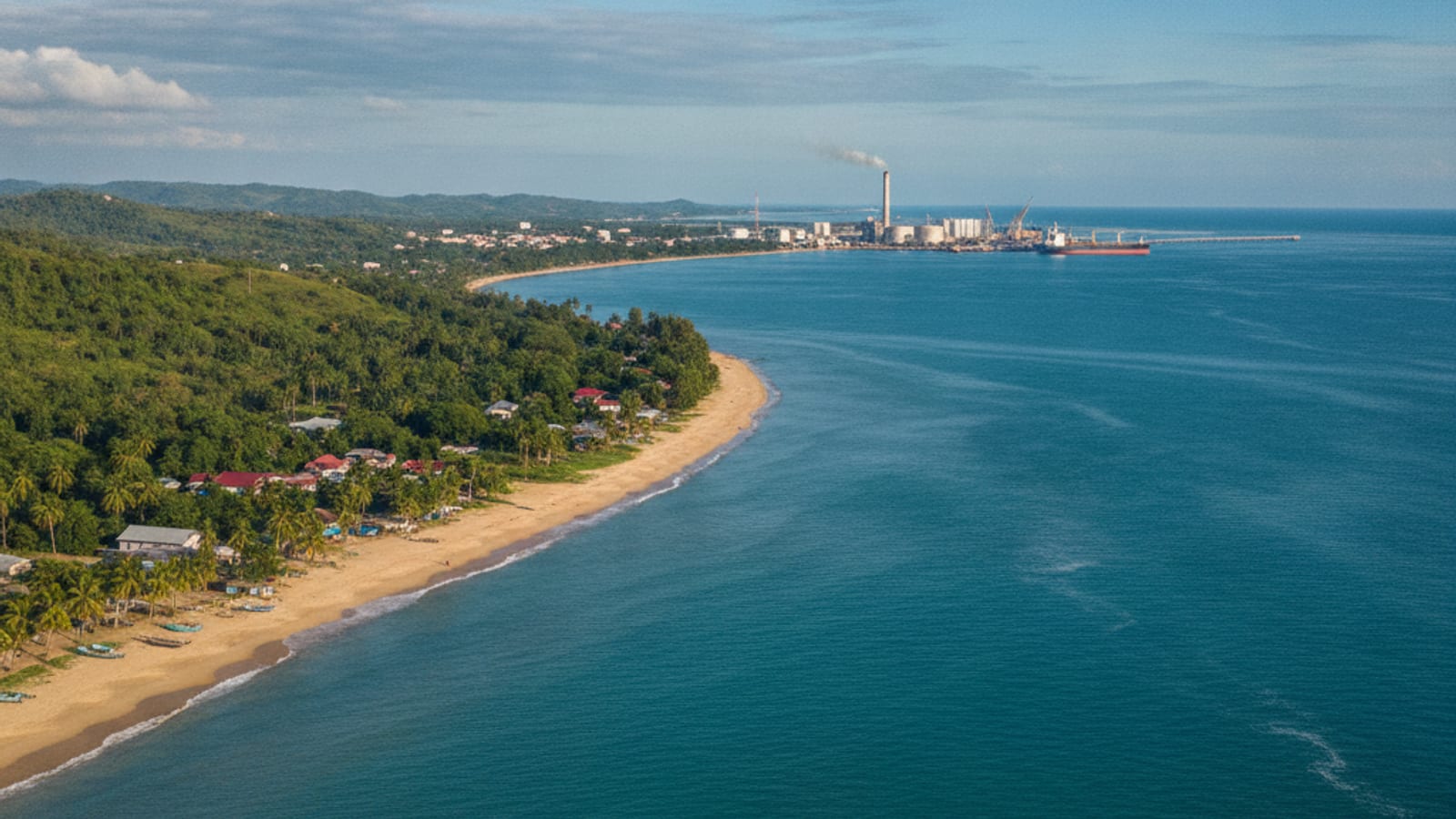
Timor-Leste’s renewed pursuit of the Greater Sunrise gas fields, now reportedly drawing interest from global players like China and Russia, marks a potentially significant turning point for the nation’s economic future. This development, as reported by Traders Union, signals a heightened focus on unlocking a major natural resource and could bring both opportunities and challenges for organisations operating within Timor-Leste. For businesses, NGOs, and investors, understanding the broader implications of this renewed push is crucial for strategic planning and operational resilience.
The Economic Outlook and Investment Landscape
The Greater Sunrise project, if it moves forward, has the potential to fundamentally reshape Timor-Leste’s economic trajectory. A successful development could significantly bolster government revenues, providing the capital for crucial public infrastructure projects, social programs, and diversification initiatives. The emerging interest from diverse international partners like China and Russia also suggests a broadening of Timor-Leste’s economic relationships, potentially fostering a more competitive and dynamic investment environment. This could lead to an influx of foreign direct investment not just directly into the energy sector, but also into supporting industries and infrastructure. Organisations should consider how this increased economic activity might impact demand for their services, the availability of capital, and the overall business climate. While large-scale projects bring potential for growth, they also necessitate robust governance and transparent management to ensure sustainable benefits for the entire nation.
Opportunities and Preparations for Local Enterprises
For local businesses, the development of Greater Sunrise presents a range of potential opportunities across various sectors. Major energy projects require extensive support services, from logistics, transportation, and construction to catering, security, and maintenance. Local companies that can demonstrate capacity, adhere to international standards, and manage complex contracts will be well-placed to benefit. This also highlights the importance of workforce development. As the project progresses, there will likely be increased demand for skilled labour, creating opportunities for vocational training and employment. Organisations should proactively assess their capabilities, identify potential gaps, and consider partnerships or investments in training to meet anticipated demands. NGOs involved in community development and education may also find new avenues for collaboration, particularly in ensuring that local communities are prepared to participate in and benefit from the project’s economic spillover.
Navigating the Strategic Implications
The long-term development of Greater Sunrise could lead to significant shifts in Timor-Leste’s economic structure. Organisations should monitor policy developments, particularly around local content requirements, environmental regulations, and any potential changes to the tax regime that might accompany such a large-scale national project. The increased international engagement could also lead to a more complex regulatory landscape, requiring careful attention to compliance and international best practices. While the prospect of major resource development offers optimism, businesses must also plan for potential inflationary pressures, increased competition for resources, and the need for adaptable strategies to thrive in an evolving economic environment. Proactive engagement with government agencies and industry bodies will be key for staying informed and positioning your organisation effectively.
Source: Timor-Leste pursues Greater Sunrise development as China, Russia interest emerges — Traders Union
This article is general information, not advice. Rules and rates change and your situation may differ. Talk to us before acting on anything here.