
Haze Advisory: Planning for Operational Impacts in Timor-Leste
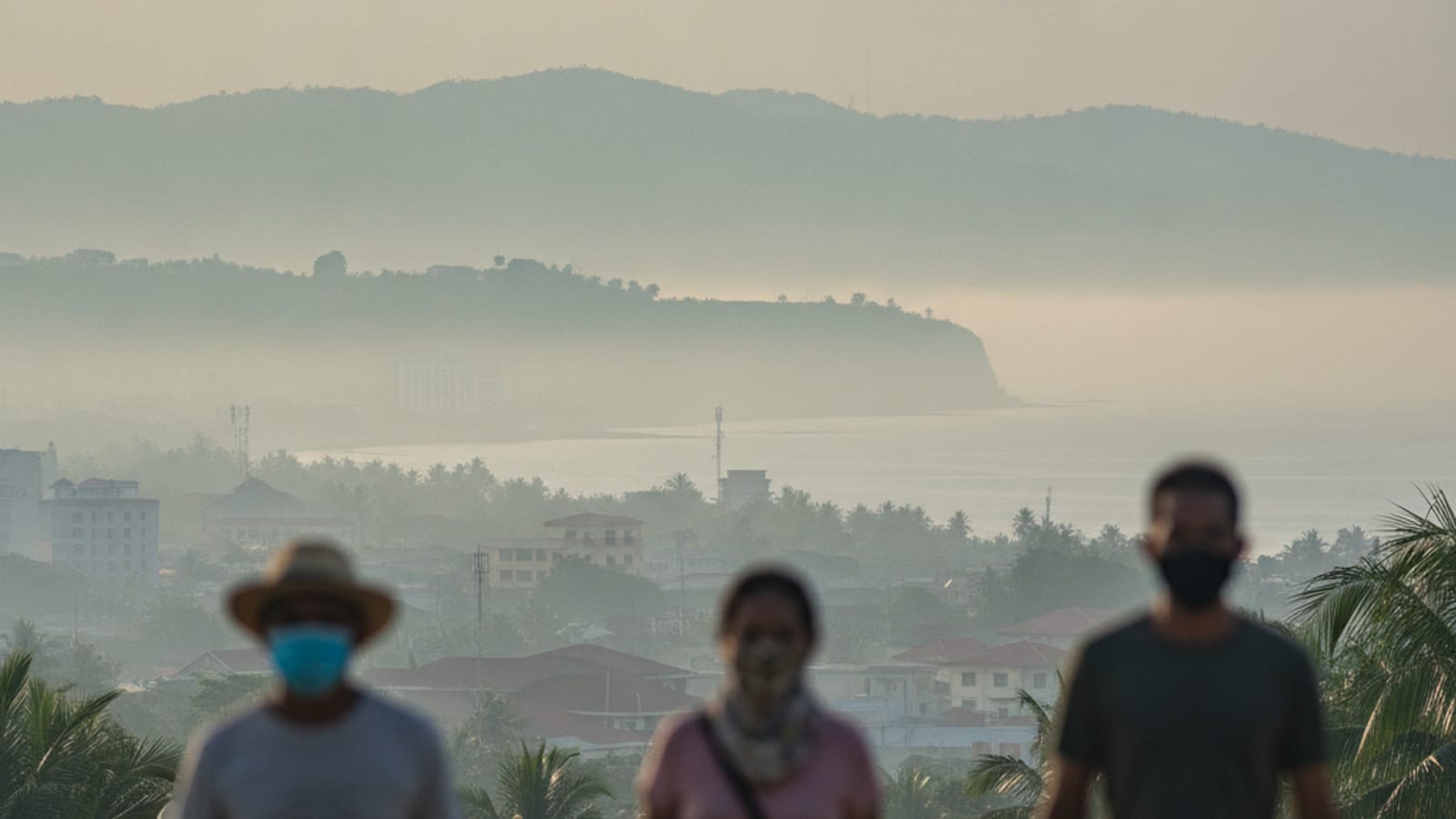
Timor-Leste is currently facing a period of reduced air quality and visibility, with haze originating from land-burning activities in West Papua, Indonesia. According to the National Directorate of Meteorology and Geophysics (DNMG), this condition is expected to affect the entire territory until Wednesday, October 28, with improvements anticipated from Thursday afternoon, October 29. This environmental event carries significant practical implications for organisations operating across the country.
Impact on Workforce Health and Productivity
The DNMG has issued clear recommendations for the public, including avoiding outdoor physical activities, using N95 filter masks, and keeping doors and windows closed when haze is dense. These advisories highlight potential health risks, particularly for vulnerable groups such as children, the elderly, pregnant women, and individuals with respiratory or cardiovascular conditions. For employers, this translates into several critical considerations.
Organisations should anticipate a potential increase in employee sick leave, especially among those more susceptible to respiratory issues. Reduced air quality can also lead to general discomfort and lower productivity for staff working indoors if air circulation and filtration are not optimal. Employers should review their sick leave policies and consider flexible working arrangements for employees who may be particularly affected or who have care responsibilities for vulnerable family members. Ensuring a healthy indoor environment, through measures such as keeping windows closed and using air purifiers if available, can mitigate some risks. Providing appropriate protective masks (like N95s) to staff who must work outdoors or commute through dense haze is also a practical step to consider. Clear communication to employees about health precautions and where to seek medical assistance, as advised by DNMG for symptoms like difficulty breathing or eye irritation, is paramount.
Operational and Logistics Considerations
Beyond human health, the haze can disrupt various operational aspects. Reduced visibility, as predicted by DNMG, can significantly impact transportation and logistics. Road travel may become slower and more hazardous, leading to delays in deliveries of goods and services. Businesses relying on timely supply chains or requiring staff to travel frequently should anticipate potential disruptions and factor in additional time for journeys.
Furthermore, organisations involved in outdoor activities, such as construction, agriculture, fisheries, and tourism, may face direct operational challenges. Outdoor work might need to be scaled back, rescheduled, or halted during periods of dense haze to protect worker health and ensure safety. This could affect project timelines, production schedules, and service delivery. Retail and hospitality businesses that depend on customer footfall or outdoor dining might experience a temporary dip in activity. It is prudent for organisations to review their contingency plans for such environmental events, communicate proactively with clients and suppliers about potential delays, and assess whether any immediate operational adjustments are necessary to minimise impact and ensure business continuity.
Source: Ahi-suar husi Indonézia previstu afeta Timor-Leste to’o kuarta-feira — TATOLI
This article is general information, not advice. Rules and rates change and your situation may differ. Talk to us before acting on anything here.