
Haze and School Closures: Navigating Environmental Disruptions in Timor-Leste
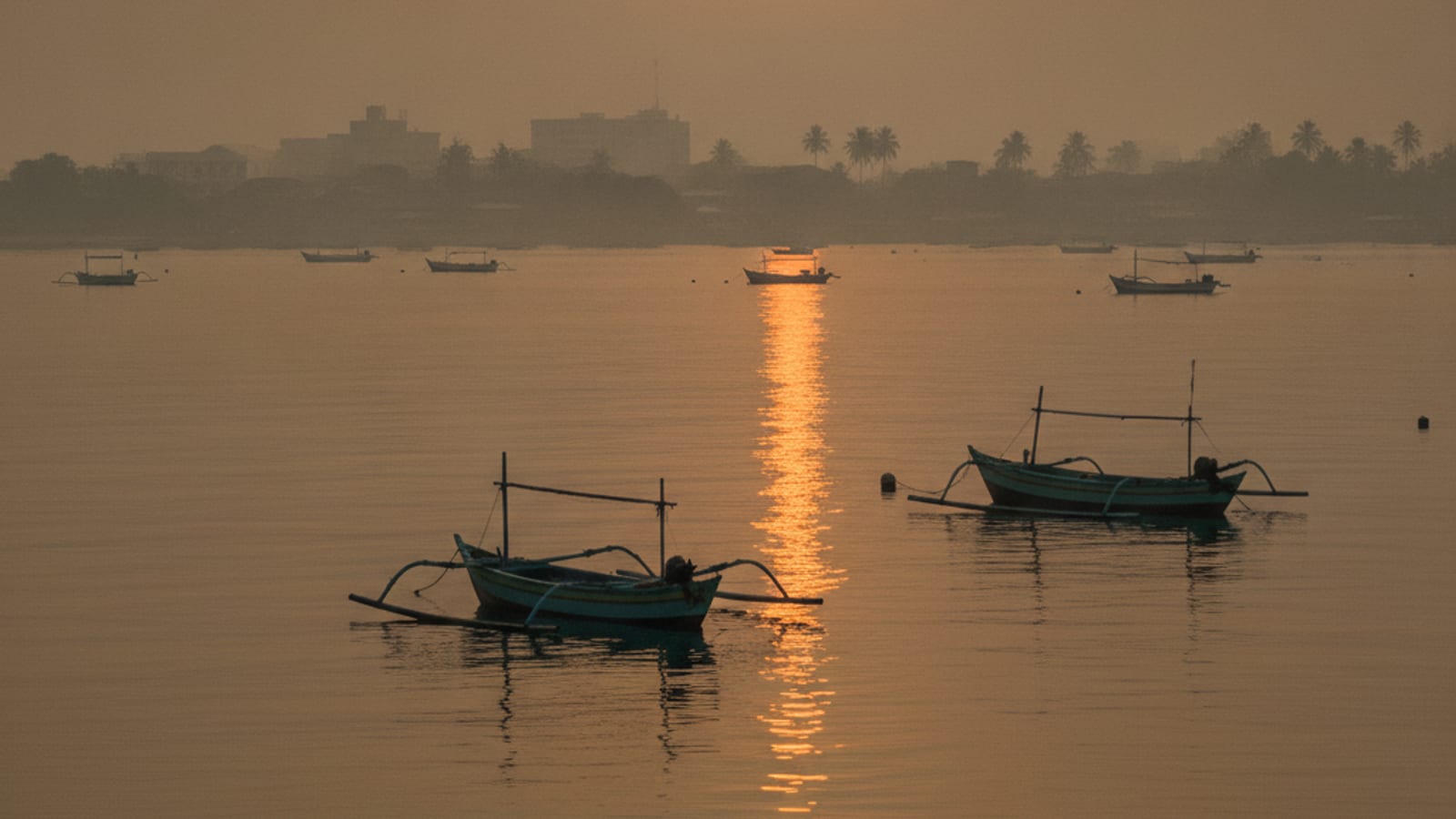
The recent atmospheric haze, reportedly originating from Indonesia and causing skies in the region to turn orange, led to the closure of schools across Timor-Leste according to RNZ. This environmental event highlights a recurring challenge for businesses, NGOs, and foreign investors operating in the country, bringing immediate practical considerations for their operations and workforce.
While the direct cause is external, the local impact is significant. Such events underscore the importance of robust contingency planning to ensure operational continuity and safeguard employee well-being in Timor-Leste.
Immediate Operational and Workforce Challenges
School closures, a direct consequence of the haze, present immediate challenges for employers. Many staff members, particularly those with young children, may face difficulties securing alternative childcare arrangements, leading to increased absenteeism or reduced productivity as they manage family responsibilities. Organisations should anticipate this and consider implementing flexible work policies, such as temporary work-from-home options where feasible, or adjusted hours to accommodate parents.
Beyond direct childcare issues, the haze itself can pose health risks. Poor air quality can exacerbate respiratory conditions, potentially leading to increased sick leave among staff. Employers should consider providing guidance on protective measures, such as encouraging the use of masks or advising staff to limit outdoor activities. For roles requiring outdoor work, such as in construction, agriculture, or logistics, operations may need to be scaled back or adjusted to protect workers’ health. This can directly impact project timelines and delivery schedules, adding unforeseen costs.
Building Resilience Against Environmental Disruptions
These recurring environmental phenomena necessitate a proactive approach to operational resilience. Businesses and NGOs should develop clear protocols for communicating with staff during such events, including guidance on health and safety, changes to work arrangements, and access to support. Having a pre-defined communication tree and clear lines of responsibility can significantly mitigate disruption.
Furthermore, organisations should review their supply chains and logistics. While the recent news did not specify transport disruptions, severe haze can affect visibility, potentially delaying maritime or air freight, and impacting road transport. Understanding the vulnerability of your supply chain to such events and exploring alternative arrangements or maintaining adequate inventory can help buffer against future interruptions. Long-term planning might also involve investing in workplace air purification systems in key office or production areas to protect staff during periods of poor air quality.
Source: Haze turns Indonesia skies orange, shuts schools in East Timor — RNZ
This article is general information, not advice. Rules and rates change and your situation may differ. Talk to us before acting on anything here.