
Historical Ties with the Philippines: Reinforcing Timor-Leste's Regional Engagement
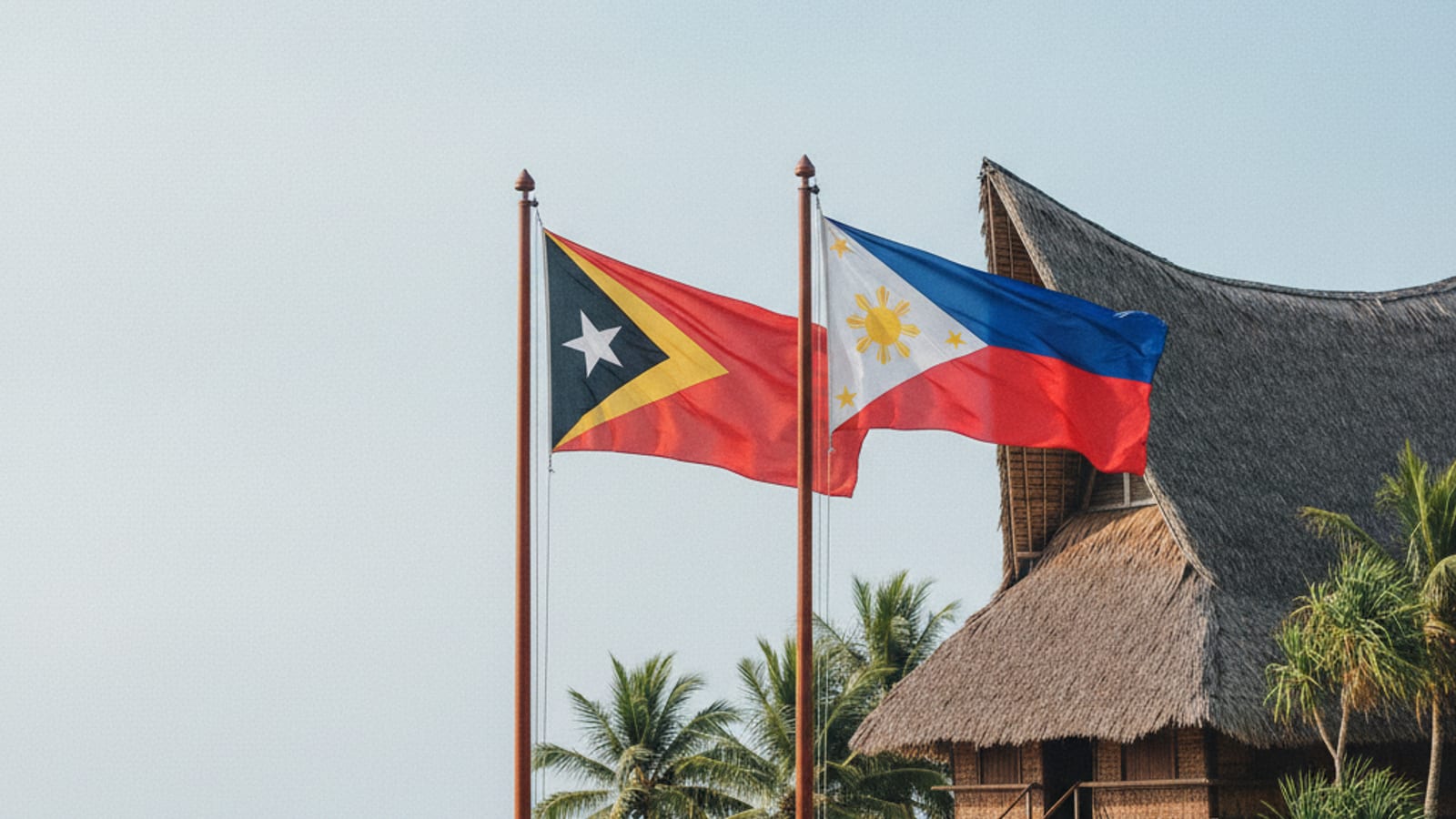
The recent reunion between Xanana Gusmão and Filipino activists who championed Timor-Leste’s independence serves as a poignant reminder of the nation’s historical journey and the enduring international relationships forged during that critical period. While a deeply personal and symbolic event, such high-level engagements carry broader implications for Timor-Leste’s ongoing diplomatic efforts and its place within the Southeast Asian region.
Deepening Regional Connections
The Philippines is a founding member of ASEAN, and its historical solidarity with Timor-Leste, as evidenced by the activists’ support, lays a strong foundation for contemporary bilateral relations. For organisations operating in Timor-Leste, this is significant. Timor-Leste’s aspiration to join ASEAN is a cornerstone of its foreign policy, promising greater economic integration and regional stability. Strong, positive relationships with individual ASEAN member states, particularly those with historical ties like the Philippines, are crucial for facilitating this accession process.
As Timor-Leste moves closer to full ASEAN membership, businesses and NGOs can anticipate changes in the regulatory and economic landscape. This could include streamlined trade processes, greater harmonisation of standards, and increased opportunities for cross-border collaboration. Monitoring these diplomatic developments and the strengthening of bilateral ties provides an early indicator of potential shifts in regional economic dynamics that could impact supply chains, market access, and investment strategies.
Signalling Stability and Engagement
Beyond the immediate context of ASEAN, such reunions contribute to Timor-Leste’s overall international image. They signal a nation that values its history, maintains active diplomatic channels, and is committed to fostering goodwill with its neighbours and international partners. For foreign investors, development partners, and international NGOs, this perception of stability, maturity, and active engagement is a vital factor in assessing the operating environment.
An engaged and stable Timor-Leste is generally seen as a more attractive destination for capital and humanitarian efforts. Businesses should consider how these ongoing diplomatic efforts contribute to a predictable and supportive environment for their operations. While not directly impacting tax rates or compliance requirements, a positive international standing can indirectly influence everything from ease of doing business to access to international funding and partnerships. Organisations should remain attuned to the broader diplomatic narrative, as it shapes the confidence of global stakeholders in Timor-Leste’s future.
This article is general information, not advice. Rules and rates change and your situation may differ. Talk to us before acting on anything here.