
Honoring Timor-Leste's Heroes: A Government Commitment to National Memory
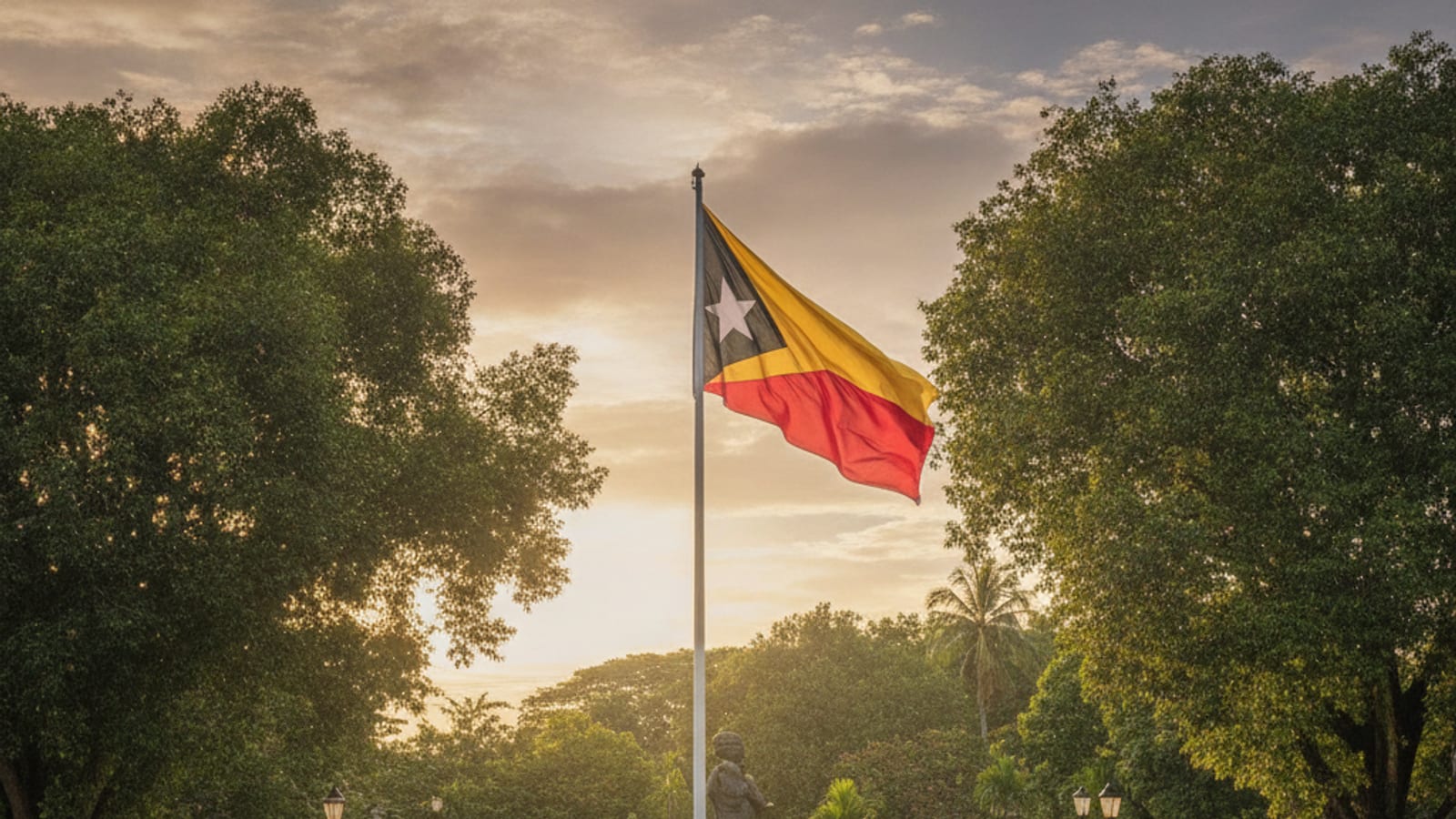
The Ministry of Combatants of National Liberation Affairs (MAKLN), alongside families of national liberation martyrs, recently interred the remains of 44 individuals at the Metinaru Heroes’ Garden. This solemn ceremony, held in late October 2026, was attended by the Chief of Staff of F-FDTL, representing the President, and served as a profound tribute to those who sacrificed for Timor-Leste’s independence and sovereignty.
Beyond the immediate symbolism of the ceremony, this event reflects a deep and ongoing commitment by the Timorese government to its foundational history and national identity. For organisations operating in Timor-Leste, understanding these significant national priorities is crucial for navigating the local context effectively.
Reinforcing National Identity and Stability
The interment of national heroes’ remains is a powerful act that reinforces national identity and social cohesion. As highlighted by the Chief of Staff of F-FDTL, Lieutenant-General Falur Rate Laek, these ceremonies recognise the unique contributions of martyrs to the consolidation of Timor-Leste as a nation. They serve to transmit the values of freedom and human dignity to new generations, ensuring that the sacrifices made are remembered and cherished.
For businesses, NGOs, and foreign investors, a stable and unified society built on shared historical values contributes to a predictable and lower-risk operating environment. When a government actively invests in strengthening national identity and social cohesion, it signals a commitment to long-term stability and development. This underlying social fabric is as important as economic indicators in assessing the overall environment for operations and investment.
Implications for Government Priorities and Engagement
The TATOLI report details an extensive, multi-year programme managed by MAKLN to locate, identify, and reinter the remains of national liberation combatants across the country. The article mentions past interments totalling 2,024 remains in various locations including Jardím dos Heróis e Mártires da Pátria, Liquiçá, Manufahi, Aileu, Dubu-Uai, Kelikai-Baukau, and Dara-Mutu. It also notes 5,499 remains interred under the current government, including 56 in Fuiloro-Lospalos (October 2025), 105 in Manatuto Vila (November 2025), 50 in Liquiçá (December 2025), and 5,244 in Fatuk-Kero, Ermera (July 2026), in addition to the 44 at Metinaru.
Furthermore, MAKLN plans to inter an additional 2,661 remains in Ainaru, 1,700 in Natarbora (Manatuto), over 220 in Iliomar (Lautem), and 775 in Maliana Vila (Bobonaro) in 2027. This demonstrates a significant, long-term logistical and financial commitment by the government. Such a large-scale, sensitive national project showcases the government’s capacity and focus beyond purely economic development.
Organisations operating in Timor-Leste should recognise these deep-seated national priorities. Understanding the importance of the liberation struggle and the government’s commitment to honouring its heroes can inform strategic planning, corporate social responsibility initiatives, and stakeholder engagement. It underscores the need for a holistic approach to operating in Timor-Leste that appreciates its unique historical journey and the values that continue to shape its national agenda.
Source: Governu haloot restu mortál mártir na’in-44 iha Jardín Eroi Metinaru — TATOLI
This article is general information, not advice. Rules and rates change and your situation may differ. Talk to us before acting on anything here.