
Improved Vision Initiatives: Enhancing Livelihoods and Community Engagement in Timor-Leste
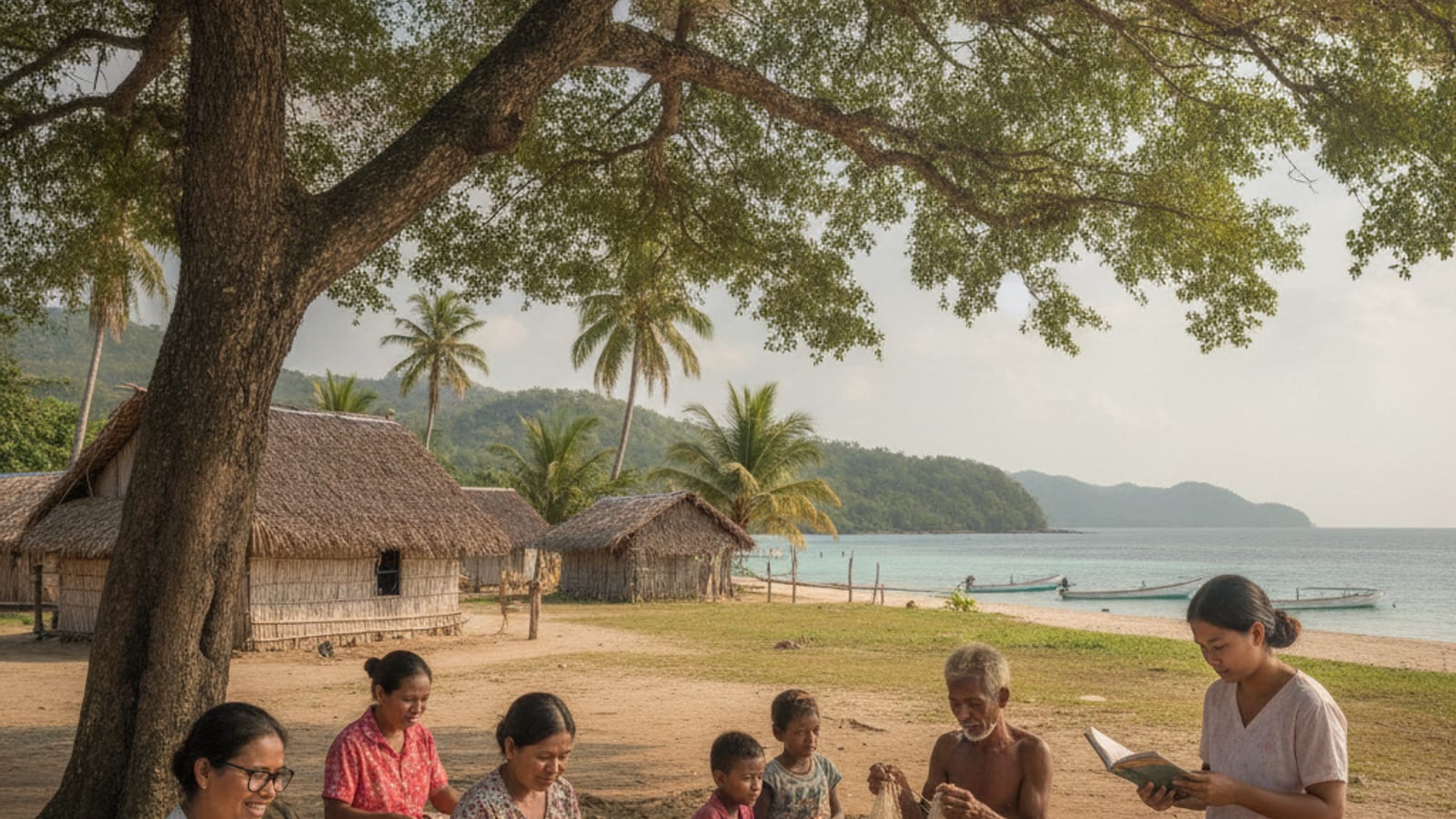
The Ministry of Social Solidarity and Inclusion (MSSI), in partnership with NGO Naroman ba Futuru, recently completed a distribution of eyeglasses to 35 beneficiaries in Bikeli, Ataúru, following free eye consultations conducted in July. This initiative, which also extended to other areas like Adara, Atekru, Maker, and Villa Maumeta, underscores a focused effort to address basic health needs and improve the quality of life in remote communities across Timor-Leste.
Enhancing Local Productivity and Skills
This program, while seemingly a simple health intervention, has direct implications for local livelihoods and the broader economic fabric of communities like Bikeli. As Vice-Minister Céu Brites noted, improved vision enables individuals to perform daily activities more effectively, such as weaving, reading, sewing, and repairing fishing nets. For many in rural Timor-Leste, these are not just hobbies but essential skills for earning income, maintaining households, and contributing to the local economy.
For businesses and development partners, this highlights the foundational importance of basic health in human capital development. A workforce with better vision is a more productive workforce, capable of higher quality output in artisanal crafts, agricultural tasks, or even basic administrative functions. Organisations that rely on local supply chains or engage local labour for specific tasks should recognise that investments in community health, even at a basic level, can translate into tangible improvements in product quality, efficiency, and overall economic participation. This initiative implicitly supports the development of a more capable and self-sufficient population, which is a long-term benefit for any organisation operating in the country.
Strategic Community Engagement and Inclusion
The collaboration between a government ministry and a non-governmental organisation like Naroman ba Futuru offers a practical model for addressing community needs in Timor-Leste. For foreign investors, development partners, and local businesses, this demonstrates effective pathways for corporate social responsibility (CSR) initiatives. Partnering with established NGOs or government bodies can provide the necessary local knowledge, logistical support, and community trust to ensure programs are impactful and sustainable.
Furthermore, the news item also touched upon MSSI’s visit to support a person with a hearing and speech disability in Iliknamo, recommending sign language training and further rehabilitation. This broader focus on inclusion is a critical consideration for any organisation committed to ethical operations in Timor-Leste. Employers should consider how they can foster an inclusive environment, and NGOs might explore opportunities to support disability services and accessible training. These efforts not only align with international best practices but also tap into a wider pool of talent and contribute to a more equitable society. Understanding these social development priorities can inform an organisation’s strategic planning, community relations, and local recruitment policies.
The distribution of eyeglasses is more than just a charitable act; it is an investment in human potential and community resilience. For organisations operating in Timor-Leste, it underscores the interconnectedness of health, economic productivity, and social inclusion. Being aware of such initiatives and considering how to align with or support similar efforts can enhance an organisation’s social license to operate, strengthen local partnerships, and contribute to the sustainable development of the communities it serves.
Source: MSSI no Naroman ba Futuru distribui oklu ba benefisiáriu 35 iha Bikeli — TATOLI
This article is general information, not advice. Rules and rates change and your situation may differ. Talk to us before acting on anything here.