
Indonesian Higher Education Fair: Boosting Timor-Leste's Future Workforce
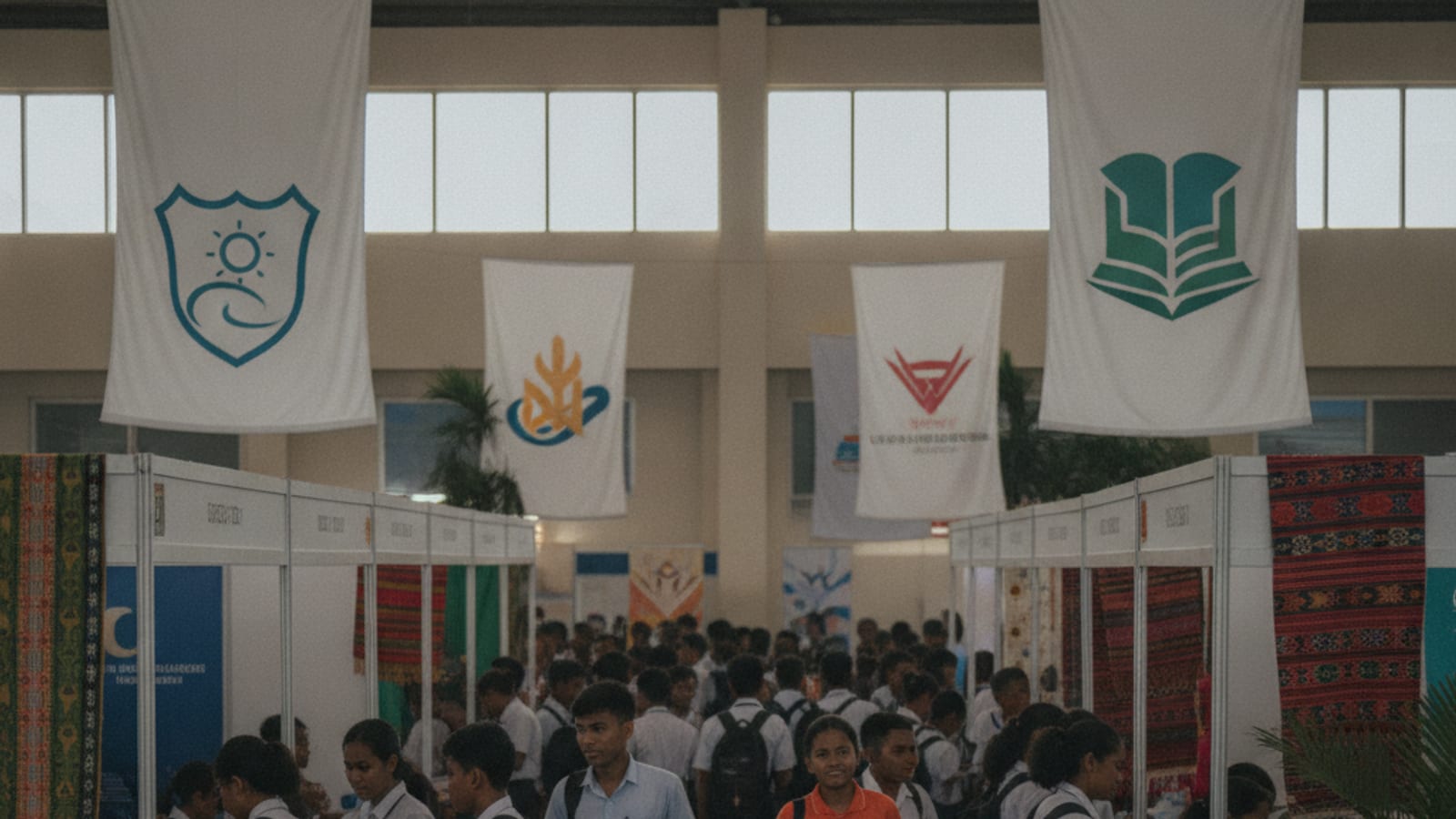
The Indonesian Higher Education Fair 2026 recently concluded a successful three-day run in Dili, drawing significant public interest. Organised with support from the Indonesian Embassy and Timor-Leste’s Ministry of Primary and Secondary Education, the event brought together 50 universities from across Indonesia. These institutions introduced a wide array of higher education options, study programs, scholarship opportunities, and even offered on-site registration and testing for prospective Timorese students, particularly in fields such as health, technology, business, and management, according to TATOLI.
Expanding Access to Critical Skills
This initiative represents a substantial opportunity for Timorese youth to access diverse and quality higher education, which is crucial for addressing existing skill gaps within Timor-Leste’s economy. The fair’s focus on fields like health, technology, business, and management directly aligns with areas where Timor-Leste needs to build capacity for sustainable development. By facilitating direct access to information and scholarships, the event lowers barriers for students who might otherwise struggle to navigate international study options. A more educated and skilled workforce is fundamental for driving productivity, fostering innovation, and enhancing competitiveness across various sectors in the country. The high attendance, with 425 visitors recorded in less than an hour on opening day, demonstrates the strong appetite among Timorese students for these educational pathways.
Implications for Timor-Leste’s Workforce and Employers
For businesses, NGOs, and foreign investors operating in Timor-Leste, this expanded access to international education has several practical implications. In the medium to long term, organisations can anticipate a more skilled, globally aware, and often multi-lingual talent pool entering the workforce. Graduates returning from Indonesian universities will bring new perspectives, potentially advanced technical knowledge, and a strong work ethic. Employers should begin to consider how to effectively attract and integrate these returning graduates into their teams. This might involve reviewing recruitment strategies, offering competitive remuneration packages, and establishing clear career progression paths to retain this valuable talent.
Furthermore, the close cultural and linguistic ties between Timor-Leste and Indonesia mean that graduates returning from Indonesian institutions are likely to adapt quickly to the local professional environment. This educational exchange also strengthens people-to-people links between the two nations, potentially fostering greater regional collaboration and understanding. Organisations should monitor the flow of these graduates and explore opportunities for partnerships with educational institutions, perhaps through internships or specialised training programs, to tap into this developing talent pipeline.
Source: Feira Edukasaun: Universidade 50 husi Indonézia oferese bolsa estudu ba timoroan — TATOLI
This article is general information, not advice. Rules and rates change and your situation may differ. Talk to us before acting on anything here.