
International Health Missions: Implications for Timor-Leste's Workforce and Economy
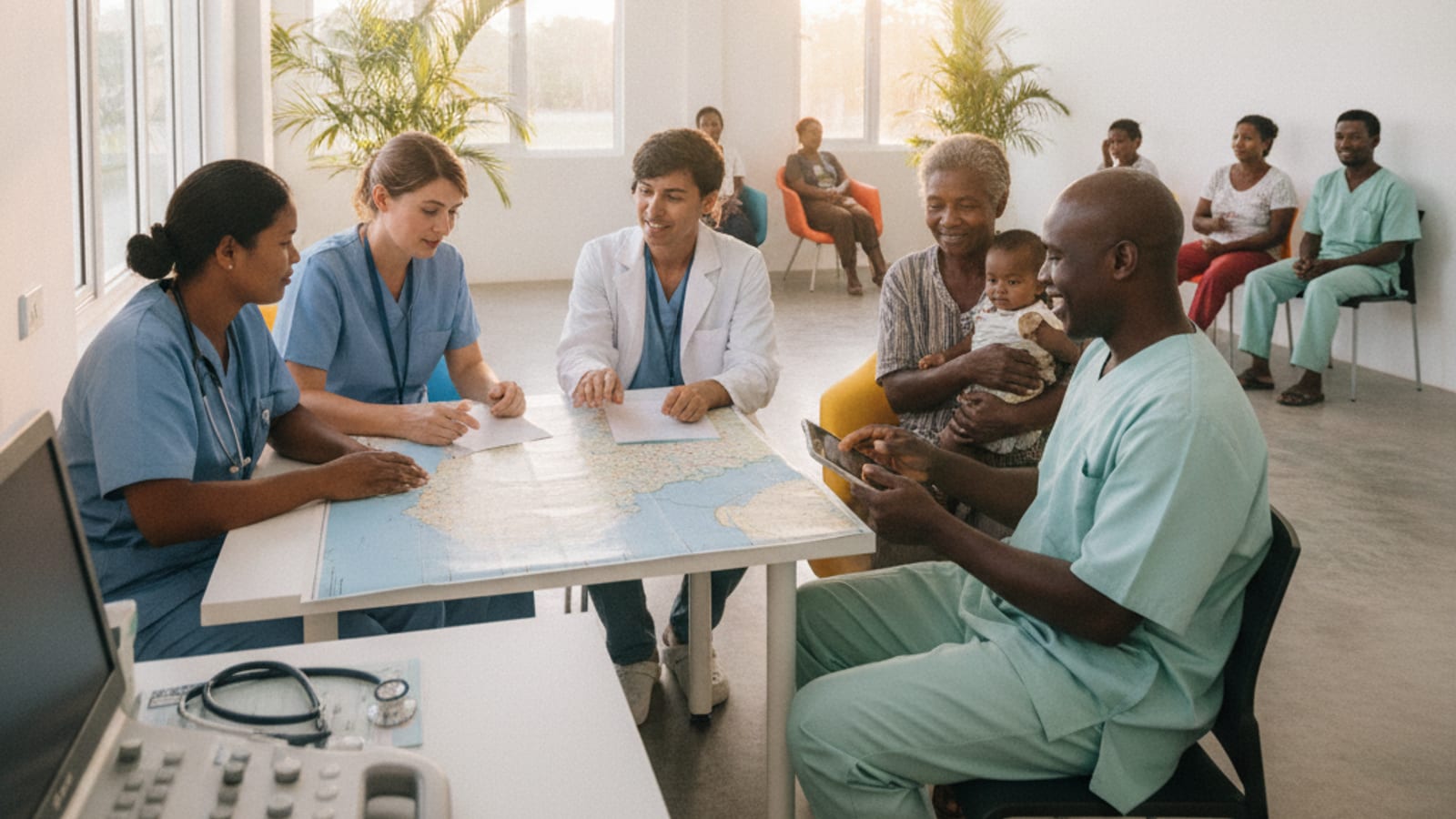
The recent visit of a group described as ‘Friends’ to Timor-Leste, with a stated health mission in sight, highlights the ongoing international focus on improving public health outcomes in the country. While the specifics of this particular mission are not detailed, any such initiative underscores the importance of a healthy population for national development and has practical implications for businesses, NGOs, and foreign investors operating here.
Organisations in Timor-Leste should view these developments through the lens of their own operations and the broader economic landscape. A healthier community translates directly into a more stable and productive environment for all.
Enhancing Workforce Health and Productivity
One of the most direct impacts of sustained health missions and improved public health is on the workforce. For employers, a healthier population can lead to several tangible benefits. Reduced incidence of illness means lower rates of absenteeism, which directly improves productivity and reduces the costs associated with sick leave and temporary cover. A workforce that is generally healthier is also often more engaged, motivated, and capable of performing tasks effectively, contributing to better overall operational efficiency.
Employers should consider how they can contribute to and benefit from these broader health improvements. This could involve reviewing their own workplace health policies, promoting wellness programs, or ensuring access to basic health information for their staff. For organisations heavily reliant on local labour, understanding and adapting to local health trends and initiatives is crucial for long-term planning and workforce stability. A focus on preventative health, even through simple awareness campaigns, can yield significant returns in employee well-being and business continuity.
Broader Economic and Social Implications
Beyond direct workforce benefits, a focus on health has wider economic and social ripple effects. Improved public health can lead to a more resilient community, which is essential for sustained economic growth and social stability. For businesses, this might mean a more consistent consumer base, reduced disruption from widespread illness, and a more attractive environment for investment.
For NGOs and development partners, such missions signal potential areas for collaboration and resource allocation. Understanding the priorities of visiting groups and the government’s health agenda can help these organisations align their programs for maximum impact and secure funding for complementary initiatives. It also reinforces the importance of community engagement and the integration of health considerations into broader development projects.
While specific outcomes from any single mission may take time to materialise, the consistent attention to health in Timor-Leste by international partners is a positive indicator. It suggests a commitment to building foundational human capital, which is a key ingredient for a thriving economy. Organisations should monitor these developments, not just for their direct impact on health services, but for the broader implications they hold for the operating environment, workforce stability, and community well-being in Timor-Leste.
Source: ‘Friends’ visit Timor-Leste with health mission in sight — mpnews.com.au
This article is general information, not advice. Rules and rates change and your situation may differ. Talk to us before acting on anything here.