
Japan's Recruitment of 1,000 Timorese Workers: What it Means for Timor-Leste's Economy and Businesses
The announcement by the Secretary of State for Professional Training and Employment (SEFOPE) and the Government of Japan to recruit 1,000 Timorese workers for employment in Japan is a significant development for Timor-Leste. This initiative, which requires candidates to have N4 level Japanese language proficiency, represents a substantial opportunity for individual Timorese citizens and could have far-reaching economic impacts across the nation.
A Significant Boost for Timor-Leste’s Economy
The recruitment of 1,000 Timorese workers into the Japanese economy, particularly through programs like the Technical Intern Training (TIT) program as mentioned in the TATOLI report, has several direct and indirect economic benefits for Timor-Leste. The most immediate impact will likely be through remittances. As these workers earn income in Japan, a portion will inevitably be sent back to their families in Timor-Leste. This influx of foreign currency will directly boost household incomes, increasing purchasing power and stimulating local consumption. For an economy like Timor-Leste’s, where domestic demand plays a crucial role, this can lead to a measurable increase in economic activity.
Beyond remittances, the program fosters significant human capital development. Workers returning from Japan will bring back not only financial savings but also valuable skills, international work experience, and a professional work ethic. According to TATOLI, two candidates have already been selected for civil and bridge construction, indicating that practical, in-demand skills will be acquired. These skills can then be reapplied within Timor-Leste, potentially contributing to local industries, fostering entrepreneurship, and improving overall productivity in sectors like construction. This transfer of knowledge and expertise is a long-term benefit that can enhance Timor-Leste’s workforce capabilities.
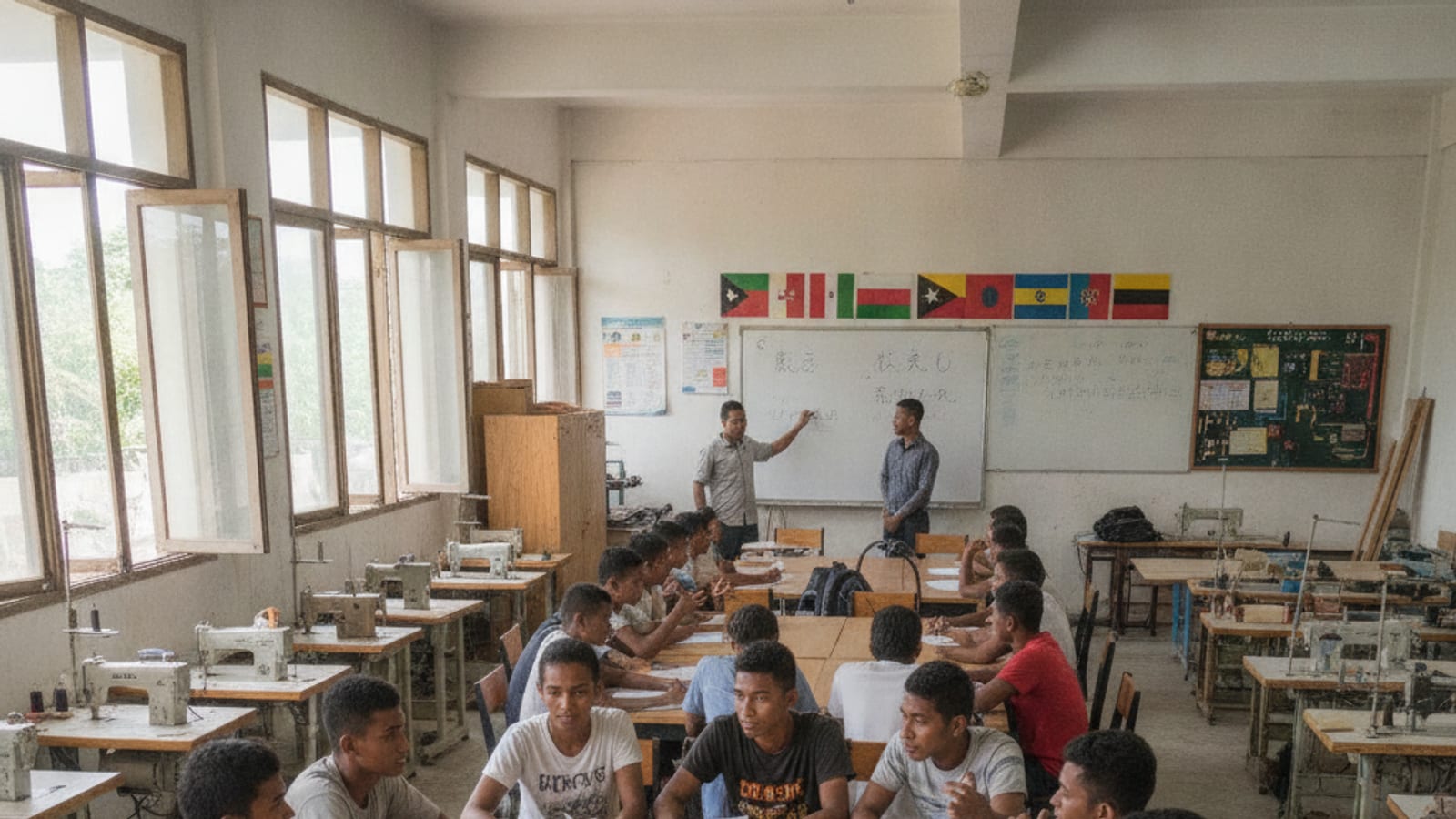
The requirement for N4 Japanese language proficiency also creates an immediate demand for language training and vocational education within Timor-Leste. SEFOPE’s advisor, Ilídio Ximenes da Costa, has already recommended increasing Japanese language learning hours in local training centers. This will lead to the growth of local education providers, creating jobs for language instructors and administrative staff, and requiring investment in facilities and resources, as highlighted by the Japanese delegation’s visits to training centers in Bekora and Tibar.
What This Means for Businesses and Taxpayers
For businesses operating in Timor-Leste, the increased flow of remittances can translate into higher consumer spending. This is particularly relevant for sectors like retail, hospitality (hotels, restaurants, bars), and telecommunications. Businesses in these areas that exceed the monthly turnover threshold of $500 should anticipate potential increases in their Services Tax liabilities as customer demand grows. Similarly, a rise in disposable income could lead to increased demand for imported goods, indirectly boosting government revenue through import duties.
Local businesses that support the outbound migration process also stand to benefit. This includes language schools, vocational training centers, and potentially service providers assisting with visa applications, travel arrangements, and pre-departure orientations. These businesses will experience increased demand for their services, necessitating careful financial planning, robust accounting practices, and strict compliance with their own tax obligations, including Services Tax and Wage Income Tax for their growing staff. They must ensure accurate record-keeping to manage increased transactions and report income correctly.
While the income earned by Timorese workers in Japan will generally not be subject to Timor-Leste’s Wage Income Tax if they are considered non-residents for tax purposes during their employment abroad, the economic activity generated by their remittances within Timor-Leste will contribute to the local tax base. Businesses should monitor these trends and adjust their operational and financial forecasts accordingly. This initiative underscores the importance of a well-trained, compliant workforce, both for those seeking opportunities abroad and for the local businesses that facilitate their journey and benefit from their success.
Source: Japaun sei rekruta traballadór timoroan 1.000 — TATOLI
This article is general information, not advice. Rules and rates change and your situation may differ. Talk to us before acting on anything here.