
Lesululi Geopark Initiative Signals New Opportunities for Tourism and Regional Development
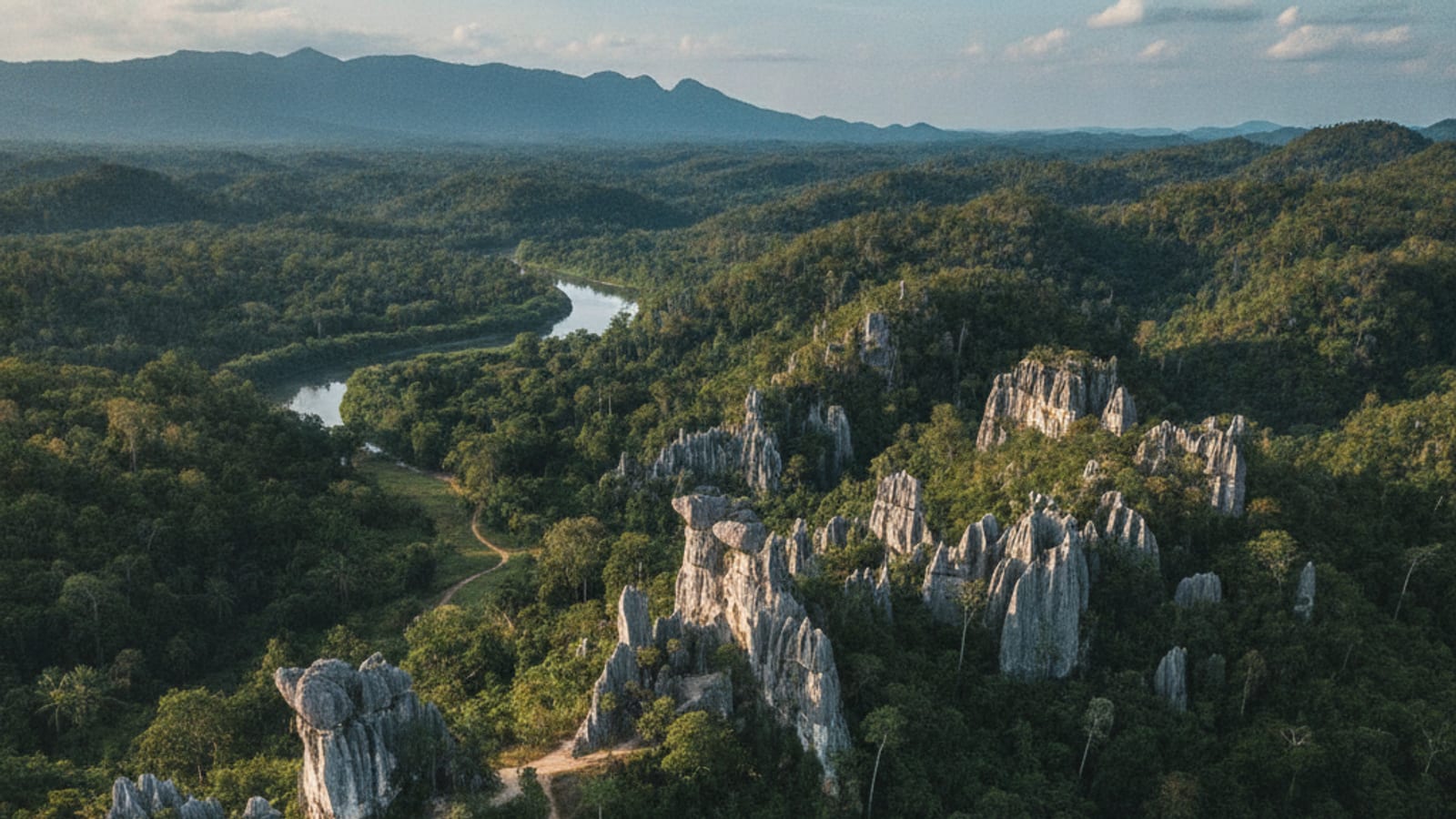
The Committee for the Review of the State Budget (KRP-OJE) 2027 has approved $80,000 for the construction of a protection wall at the Lesululi site in Bobonaro municipality. This allocation is part of the Instituto Geoscience Timor-Leste’s (IGTL) proposed additional budget for 2027, bringing their total budget to approximately $5.9 million. The Lesululi site, known for its ichthyosaur fossil discoveries, is being actively considered as a candidate for UNESCO Global Geopark status, a move strongly supported by President José Ramos-Horta and Prime Minister Xanana Gusmão, who have both visited the site.
Catalysing Tourism and Local Economic Growth
The funding for Lesululi signals a significant step towards developing Timor-Leste’s geological heritage and leveraging it for tourism. As IGTL President Job Brites noted, UNESCO Global Geoparks worldwide attracted 500 million visitors last year. Even a small fraction of such numbers would represent a substantial influx for Timor-Leste. For businesses, this translates into potential growth in the hospitality sector, including demand for accommodation, food and beverage services, local transport, and guided tours, particularly in the Bobonaro region. Organisations involved in local handicrafts, cultural experiences, and related services should monitor developments closely, as a successful Geopark designation could generate significant socio-economic benefits for local communities through increased employment and entrepreneurship opportunities.
Investors considering ventures in Timor-Leste’s tourism sector may find this a compelling signal. The government’s visible support, including high-level visits and budget allocation, underscores a strategic intent to diversify the economy beyond traditional sectors. This could lead to further infrastructure development in and around Bobonaro, such as improved road access, visitor centres, and other facilities necessary to support international tourism. Businesses in construction, logistics, and service provision should be prepared for potential tenders and partnerships as these plans advance.
Broader Implications for Investment and Workforce Development
The focus on Lesululi as a potential UNESCO site also highlights a broader shift in government priorities towards sustainable development and leveraging natural assets. For foreign investors and development partners, this indicates a growing emphasis on non-extractive industries and environmental preservation. Organisations engaged in environmental conservation, community development, or vocational training may find new avenues for collaboration and funding, aligning with the government’s objectives to enhance local capacities and protect valuable heritage sites.
Furthermore, the anticipated growth in tourism and related services will create demand for a skilled workforce. Employers in hospitality, tourism management, and even specialised fields like geological guiding will need to consider training and capacity-building initiatives. This could involve partnering with local educational institutions or NGOs to develop relevant vocational programs, ensuring that local communities are well-positioned to benefit from the economic opportunities a UNESCO Geopark could bring.
Organisations operating in Timor-Leste should view this development as an indicator of evolving economic priorities and potential areas for future growth. Understanding these shifts can help in strategic planning, identifying new market opportunities, and aligning business operations with the country’s long-term development goals.
Source: KRP aprova rihun $80 ba konstrusaun muru protesaun sítiu Lesululi — TATOLI
This article is general information, not advice. Rules and rates change and your situation may differ. Talk to us before acting on anything here.