
Local Feed Production Training Signals Growth and Opportunity in Timor-Leste's Agricultural Sector
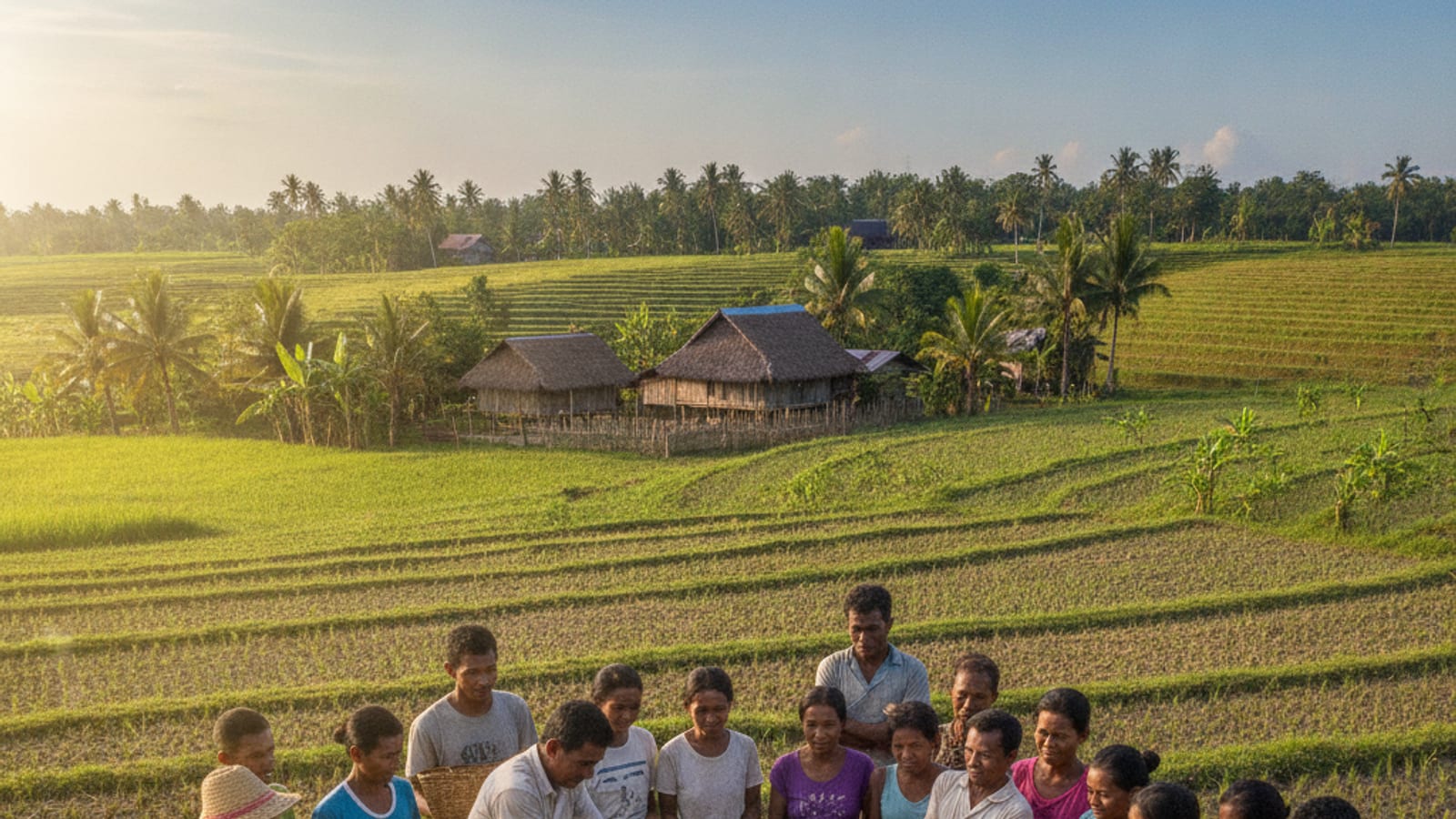
The local NGO Fundasaun Knua Haberan Komunidade (F-KHK) recently facilitated a four-day training program in Viqueque, teaching 11 agricultural groups – a total of 55 participants – how to process their own animal feed pellets. This initiative, funded by the Civil Society Support Office with $25,000, aims to empower local communities to produce feed for their chickens, pigs, and fish using readily available local ingredients such as rice husks, banana stems, corn, and dried fish, according to TATOLI.
Boosting Local Livestock Productivity and Supply
This training represents a practical step towards enhancing Timor-Leste’s agricultural self-sufficiency, particularly in the livestock sector. By equipping farmers with the knowledge to produce their own animal feed, F-KHK is directly addressing a key input cost for raising livestock. Reducing reliance on imported feed, which can be expensive and subject to supply chain volatility, allows local farmers to lower their operational costs and potentially increase profitability.
For organisations operating in Timor-Leste, especially those in the hospitality, food processing, and retail sectors, an increase in local feed production could signal a more stable and cost-effective supply of locally raised meat and poultry. This could translate into opportunities to source ingredients domestically, supporting local economies and potentially reducing import dependencies. Businesses should monitor these developments, as a stronger local agricultural base can lead to more consistent quality and availability of local produce, impacting procurement strategies and consumer prices over time.
Emerging Opportunities in Agri-Business and Rural Enterprise
A critical insight from the F-KHK initiative is the identified challenge faced by the trained groups: the lack of pellet production equipment. This highlights a significant market gap and a clear opportunity for businesses and investors in Timor-Leste. While the training empowers farmers with knowledge, the absence of necessary machinery prevents them from scaling up their operations and fully realising the economic benefits.
For businesses looking to invest in Timor-Leste’s rural economy, supplying affordable and durable pelletizing machinery could be a viable venture. This could range from importing appropriate technology to exploring local assembly or manufacturing solutions that are tailored to the needs and resources of small-scale farmers. Furthermore, there’s potential for local entrepreneurs to establish centralized feed processing facilities, buying raw materials from local farmers and producing pellets for sale to smaller groups, thereby creating a new layer of agri-business. Such investments would not only address a critical need but also contribute to job creation, rural economic diversification, and the overall development of the agricultural value chain. Organisations should consider exploring partnerships with NGOs or local communities to understand these needs and identify potential market entry points.
Source: F-KHK fasilita kona-ba prosesa pellet ba grupu 11 iha Vikeke — TATOLI
This article is general information, not advice. Rules and rates change and your situation may differ. Talk to us before acting on anything here.