
Local Livestock Initiatives Signal Shifts in Timor-Leste's Rural Economy
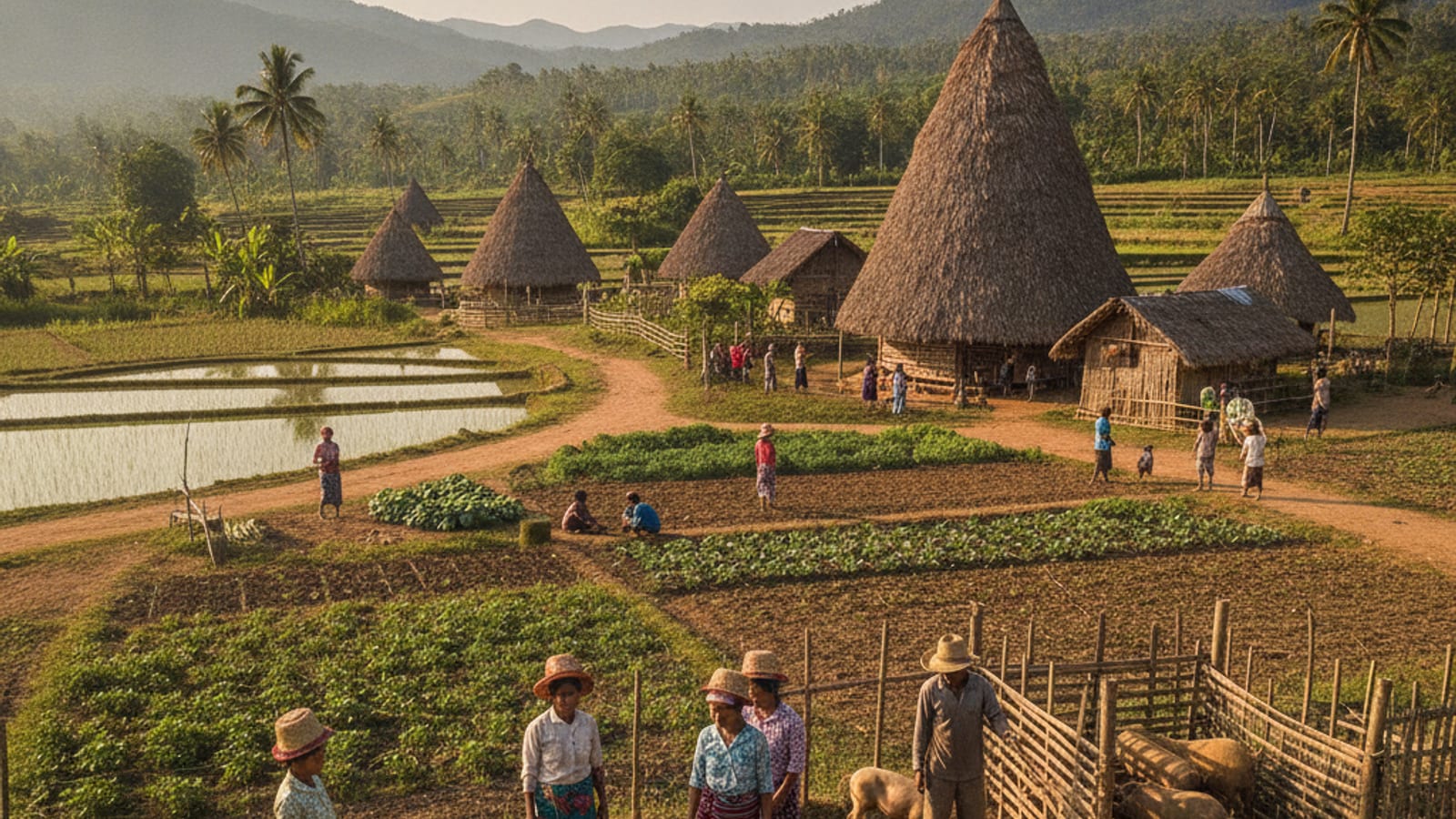
The Ministry of Rural Development and Community Housing (MDRHC) recently launched its Community Revitalization Program in Ritabou, Bobonaru, aiming to stimulate the local economy and improve livelihoods in rural areas. This initiative supports beneficiary groups, such as Haburas Samelaun and Haforsa Samelaun, to raise livestock, including 1,000 broiler chickens and 10 pigs, backed by a budget of nearly $14,000 from MDRHC, according to TATOLI.
The Director-General of MDRHC, Filipe de Carvalho, highlighted the program’s broader objective to revitalize communities through productive activities like livestock farming, veterinary services, fisheries, tourism, and horticulture. A key focus is addressing the high price of pork due to limited local supply and reducing the country’s reliance on imported broiler chickens. This strategic push towards local production holds significant implications for businesses, NGOs, and investors operating in Timor-Leste.
Impact on Local Supply Chains and Prices
The most immediate practical consequence of this program is its potential to reshape local supply chains for essential food products. By encouraging local pig farming, the MDRHC aims to balance pork prices in Bobonaru and eventually position the municipality as a distributor for other municipalities. Similarly, with over 14,000 broiler chickens already being raised by groups in Bobonaru, the initiative seeks to significantly reduce the import of processed chicken, as stated by the Director-General. This shift could lead to more stable and potentially lower prices for consumers and businesses that rely on these products, such as restaurants, hotels, catering services, and supermarkets.
Organisations currently importing these items or purchasing them from Dili-based importers should closely monitor the growth of local production in Bobonaru and other districts. Increased local supply could offer opportunities for more direct procurement from rural areas, potentially reducing logistics costs and lead times. For foreign investors considering agri-business ventures, this signals a government commitment to supporting local food production, which could translate into opportunities for investment in processing, cold chain logistics, or distribution infrastructure to connect rural producers with urban markets.
Rural Employment and Economic Diversification
Beyond direct food supply, the Community Revitalization Program is designed to foster economic growth and create employment opportunities in rural areas. The involvement of 67 beneficiary groups in Bobonaru demonstrates a concerted effort to engage local communities, particularly youth, in productive activities. This focus on job creation and community engagement can lead to a more stable and skilled rural workforce over time, as individuals gain experience in agricultural practices and related services.
For NGOs and development partners, this program presents clear opportunities for collaboration in areas such as vocational training, agricultural extension services, and market access support. Investing in complementary programs that enhance the skills of these local groups, improve their business management capabilities, or connect them to wider markets could amplify the program’s impact. Furthermore, the emphasis on engaging youth and reducing social problems by providing meaningful work, as noted by the Chief of Samelaun Village, Luís Bere Mau Tavares, suggests a more stable social environment, which is a positive factor for any organisation operating in these communities.
Source: MDRHK lansa Programa Revitalizasaun Komunitária iha Ritabou — TATOLI
This article is general information, not advice. Rules and rates change and your situation may differ. Talk to us before acting on anything here.