
Navigating the Changing Landscape: Implications of Major Foreign Investment in Timor-Leste
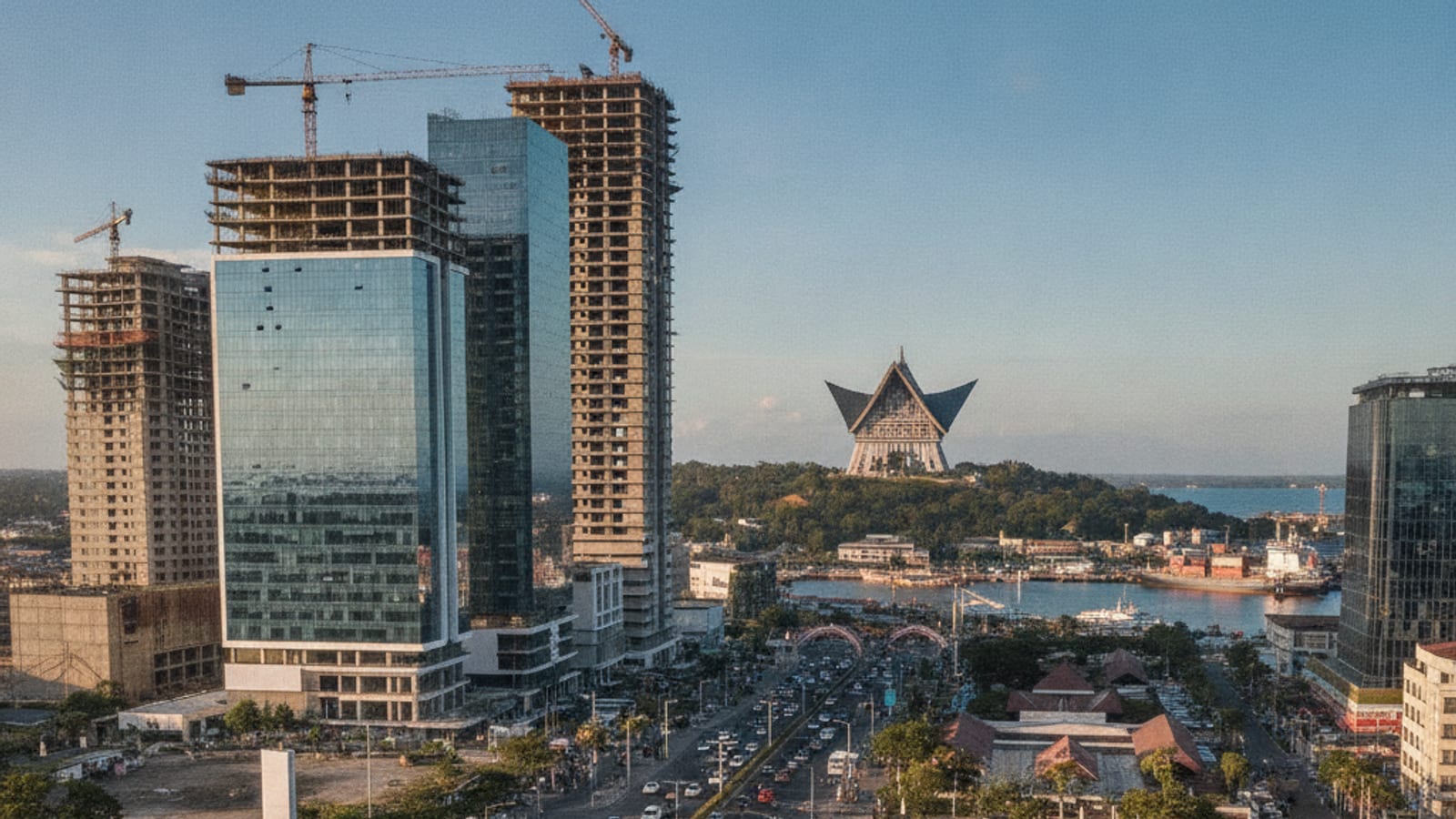
A recent headline from The Business Times highlights the growing role of China in Timor-Leste’s modernisation through investment, trade, and job creation, while also posing the question of potential challenges. This reflects a broader trend of increasing foreign engagement in the country’s development, which brings both substantial opportunities and new complexities for organisations operating here.
For businesses, NGOs, and investors in Timor-Leste, understanding the practical implications of such large-scale foreign involvement is crucial. It shapes the competitive environment, influences market demand, and impacts the availability of resources and skilled labour.
Opportunities and Competition for Local Businesses
Significant foreign investment, particularly in infrastructure projects often associated with modernisation efforts, can create a ripple effect throughout the local economy. For Timorese businesses, this can translate into new opportunities for supplying goods and services, subcontracting work, and providing logistical support. Construction companies, material suppliers, catering services, and even professional services firms may find increased demand for their offerings. Organisations should proactively assess these potential supply chain opportunities, ensuring they meet international standards for quality, reliability, and compliance.
However, this influx also brings increased competition. Foreign entities often arrive with considerable resources, advanced technology, and established operational practices. Local businesses must be prepared to compete on various fronts, potentially needing to invest in improving their own efficiency, service quality, and pricing strategies. It’s also important to understand the regulatory landscape governing foreign participation, including any local content requirements or preferences that might be in place, which can create avenues for collaboration and partnership rather than pure competition.
Workforce Dynamics and Operational Considerations
The promise of “jobs” mentioned in the news headline is a key indicator for the labour market. Large projects typically require a substantial workforce, ranging from unskilled labour to highly specialised technical and managerial staff. This can lead to increased employment opportunities for Timorese citizens, potentially driving skills development and wage growth in certain sectors. Organisations should anticipate shifts in the availability and cost of labour, and consider investing in training programmes to upskill their local workforce to meet evolving demands.
On the flip side, the entry of foreign entities can also introduce new operational complexities. This includes navigating different business cultures, understanding international contracting practices, and ensuring compliance with local labour laws and immigration regulations, especially when foreign workers are involved. For foreign investors, the “trouble brewing” aspect often points to the need for thorough due diligence, transparent contracting, and a deep understanding of the local regulatory and social context. Managing stakeholder expectations, ensuring environmental and social safeguards, and adhering to robust governance practices are paramount to successful and sustainable operations in Timor-Leste.
Organisations should regularly review their operational strategies, human resource planning, and compliance frameworks to adapt to this dynamic environment. Proactive engagement with local authorities, clear communication with partners, and a commitment to ethical business practices will be essential for thriving amidst these significant economic shifts.
This article is general information, not advice. Rules and rates change and your situation may differ. Talk to us before acting on anything here.