
New School Construction in Bobonaro Signals Investment in Human Capital and Local Economy
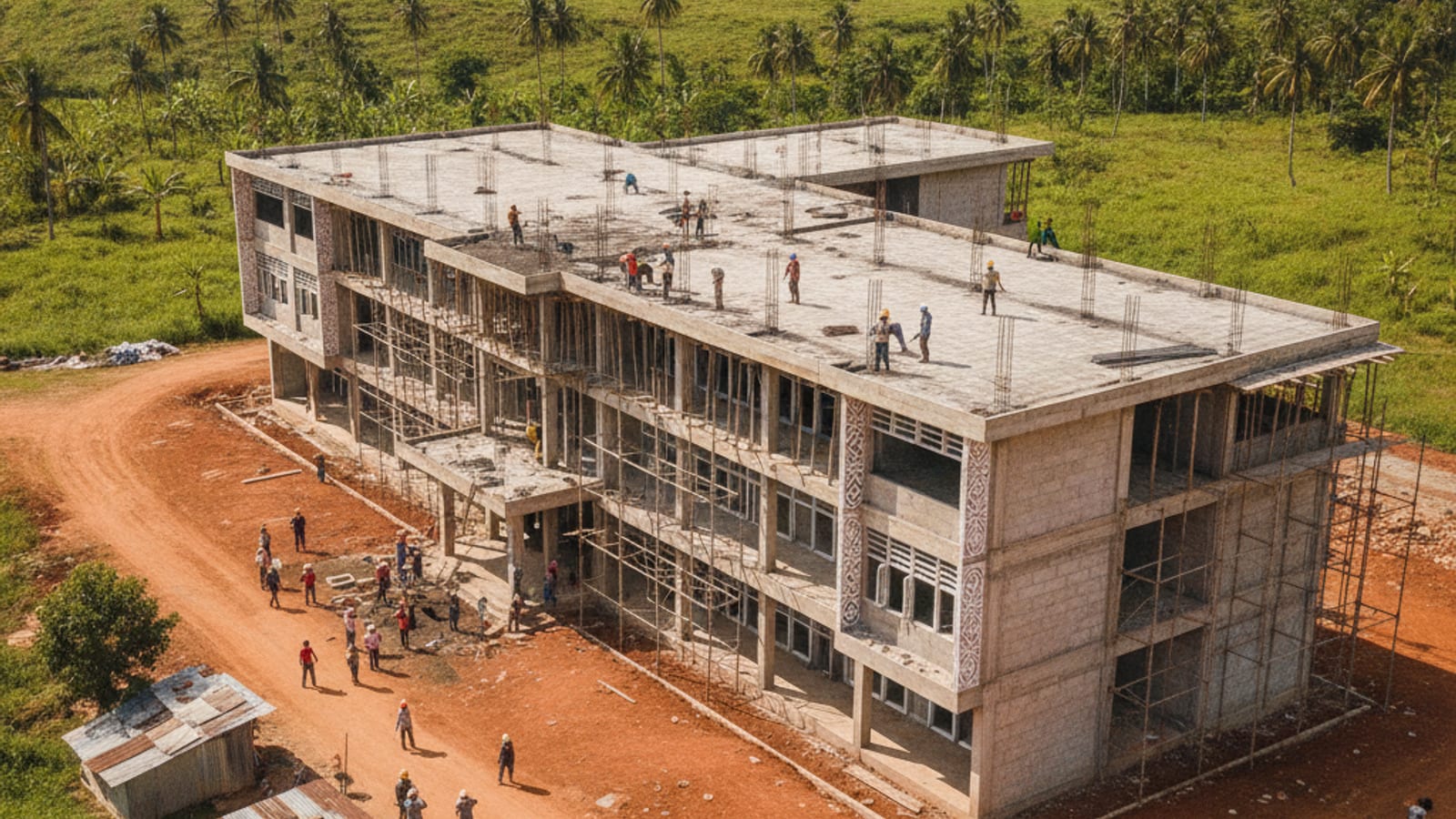
The Ministry of Education, through its National Directorate of Infrastructure, has initiated the construction of a new multi-story building for the Raifun Central Basic School (EBC Raifun) in Maliana, Bobonaro. This significant project, budgeted at $350,800, is being carried out by local company Lesuburo Unipessoal Lda and is expected to take one year to complete, according to TATOLI. It will add six new classrooms, aiming to alleviate current overcrowding where student numbers can reach 40-50 per room, enabling a more manageable 30 students per classroom.
This investment, while specific to one school, reflects broader government priorities that have direct and indirect implications for businesses, NGOs, and development partners operating in Timor-Leste. Improved educational infrastructure is a fundamental step towards strengthening the nation’s human capital, which is crucial for long-term economic growth and the availability of a skilled workforce.
Investing in Future Workforce Capabilities
The construction of new, better-equipped classrooms at EBC Raifun, and similar projects across the country, points to a concerted effort to enhance the quality of primary education. As the school director, Domingos Mendes, noted, the current classroom shortage has hindered the teaching and learning process. Reducing class sizes from 40-50 to 30 students per room can significantly improve individual student attention, facilitate more effective teaching methods, and ultimately lead to better learning outcomes. For employers, this is a positive signal for the future. A better-educated population means a more capable entry-level workforce in the years to come, reducing the need for extensive foundational training and potentially improving productivity across various sectors. Organisations should view these infrastructure developments not just as government spending, but as long-term investments in the human capital that will eventually fuel the Timorese economy.
Stimulating Local Economic Activity
Beyond the educational benefits, this project also represents a direct injection of capital into the local economy of Bobonaro. With an investment of $350,800 executed by a local company, Lesuburo Unipessoal Lda, the project creates immediate employment opportunities for construction workers and stimulates demand for local materials and services. This supports local businesses, circulates money within the community, and strengthens the capacity of Timorese enterprises in the construction sector. For businesses looking at local procurement or considering establishing operations in regional areas, such government-led infrastructure projects demonstrate a commitment to developing local capacity and fostering regional economic growth. The one-year duration of the project also provides a period of sustained economic activity for the local workforce and suppliers.
Organisations should monitor these types of infrastructure investments as indicators of regional development and potential areas for future growth or partnership. While a single school construction is a small piece of a larger puzzle, it collectively contributes to a more robust and skilled future for Timor-Leste’s economy.
Source: Konstrusaun edifísiu foun EBC Raifun ho orsamentu rihun $350-resin — TATOLI
This article is general information, not advice. Rules and rates change and your situation may differ. Talk to us before acting on anything here.