
Oecusse Media Tour Highlights Digital Literacy and Rural Development
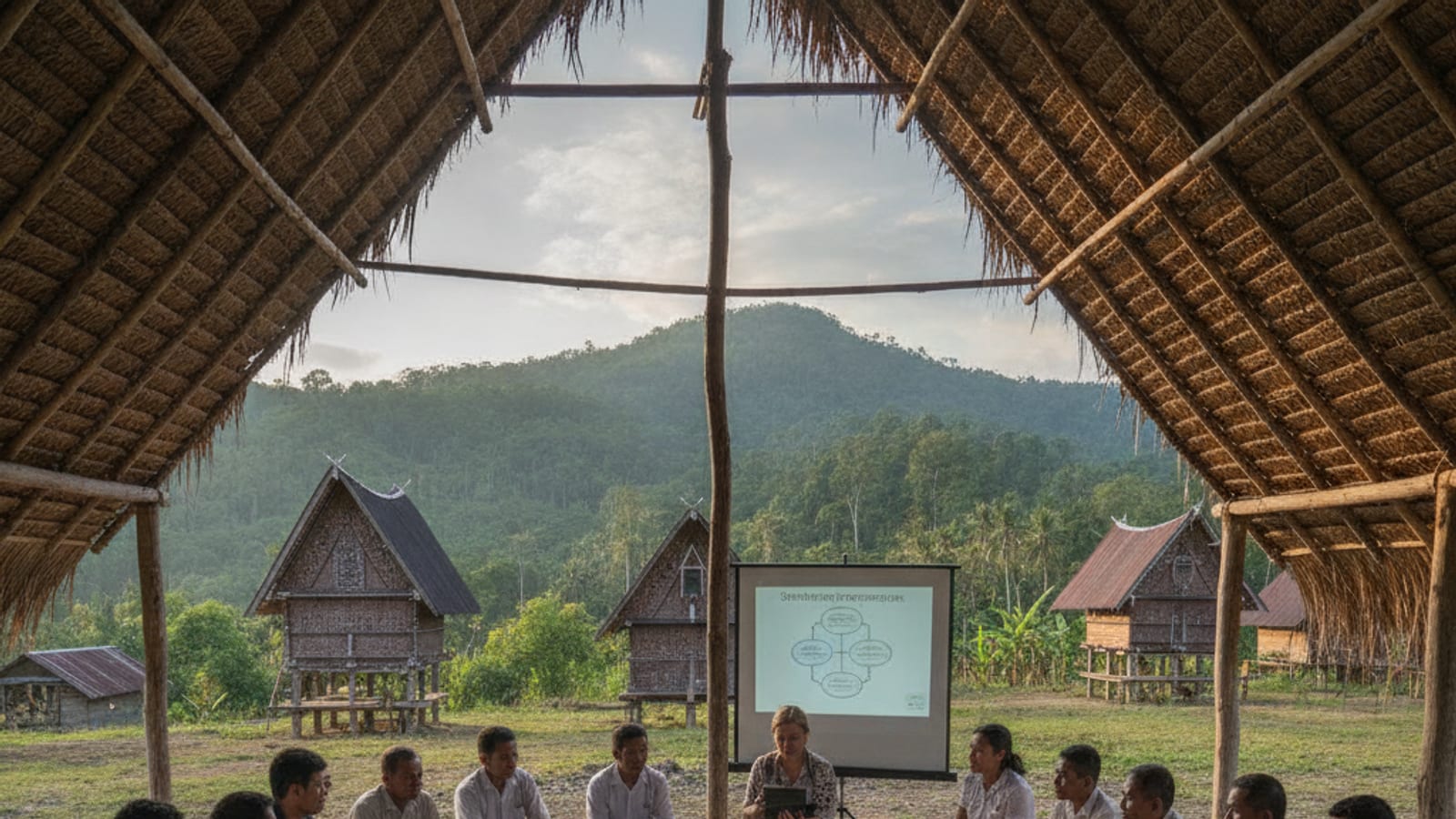
The Uniaun Profisaun Jornalista Timor-Leste (UPJTL), with support from the Secretary of State for Social Communication (SEKOMS), recently conducted a Media Tour in Suku Bobometo, Oecusse Ambeno Special Administrative Region (RAEOA). This initiative, which ran from October 5-9, 2026, aimed to commemorate Press Freedom Day by enhancing media literacy among students and the community, while also bringing national media attention to social and development activities in often-overlooked rural areas.
Enhancing Digital Engagement and Workforce Capabilities
The UPJTL’s focus on media literacy, particularly for students and youth, carries significant implications for organisations operating in Timor-Leste. The program educated participants on how to use social media effectively, understand its benefits, and crucially, identify and counter false information. This push for digital awareness, even in remote areas like Bobometo, indicates a growing digitally literate population.
For businesses and non-governmental organisations (NGOs), this trend suggests several key considerations. Firstly, communication strategies need to adapt. As communities become more discerning about online information, the need for clear, factual, and trustworthy communication from organisations becomes paramount. This is vital for public awareness campaigns, service delivery, and maintaining brand reputation in an increasingly digital landscape. Secondly, the improvement in digital literacy among the general population can positively impact the available workforce. Even basic digital skills can enhance productivity and adaptability, potentially broadening the talent pool for employers. Organisations might find it easier to implement digital tools for internal communications or certain operational tasks. According to UPJTL President Horácio Babo, approximately 6,000 people in Timor-Leste use Android phones, underscoring the nascent but growing digital adoption that organisations should monitor and engage with.
Rural Connectivity and Business Opportunity
The media tour also highlighted ongoing development activities, with journalists covering social initiatives and infrastructure projects. Suku Chief José Labi Caet specifically mentioned road construction by national and international companies, including Waskita and IDS. These developments have direct practical consequences for organisations.
Improved road infrastructure, as noted by the Suku Chief, directly impacts logistics and supply chains. Better roads mean reduced transportation costs, faster delivery times, and more reliable movement of goods and services to and from rural areas. For businesses, this can open up new markets or make existing operations more efficient and cost-effective. NGOs can similarly benefit from enhanced accessibility for project implementation and community outreach. As remote areas become more connected, both physically and digitally, they represent potential new markets and beneficiaries for various products and services. Organisations should assess these evolving conditions to identify opportunities for expansion or more effective engagement. The increased media coverage of rural conditions also fosters greater transparency, which can be beneficial for organisations committed to sustainable operations and building strong community relationships.
Source: UPJTL halo Media Tour bá Bobometo, kobertura no literasia mídia sai alvu — TATOLI
This article is general information, not advice. Rules and rates change and your situation may differ. Talk to us before acting on anything here.