
Pacific Partnership Visit Highlights Focus on Timor-Leste's Healthcare Capacity
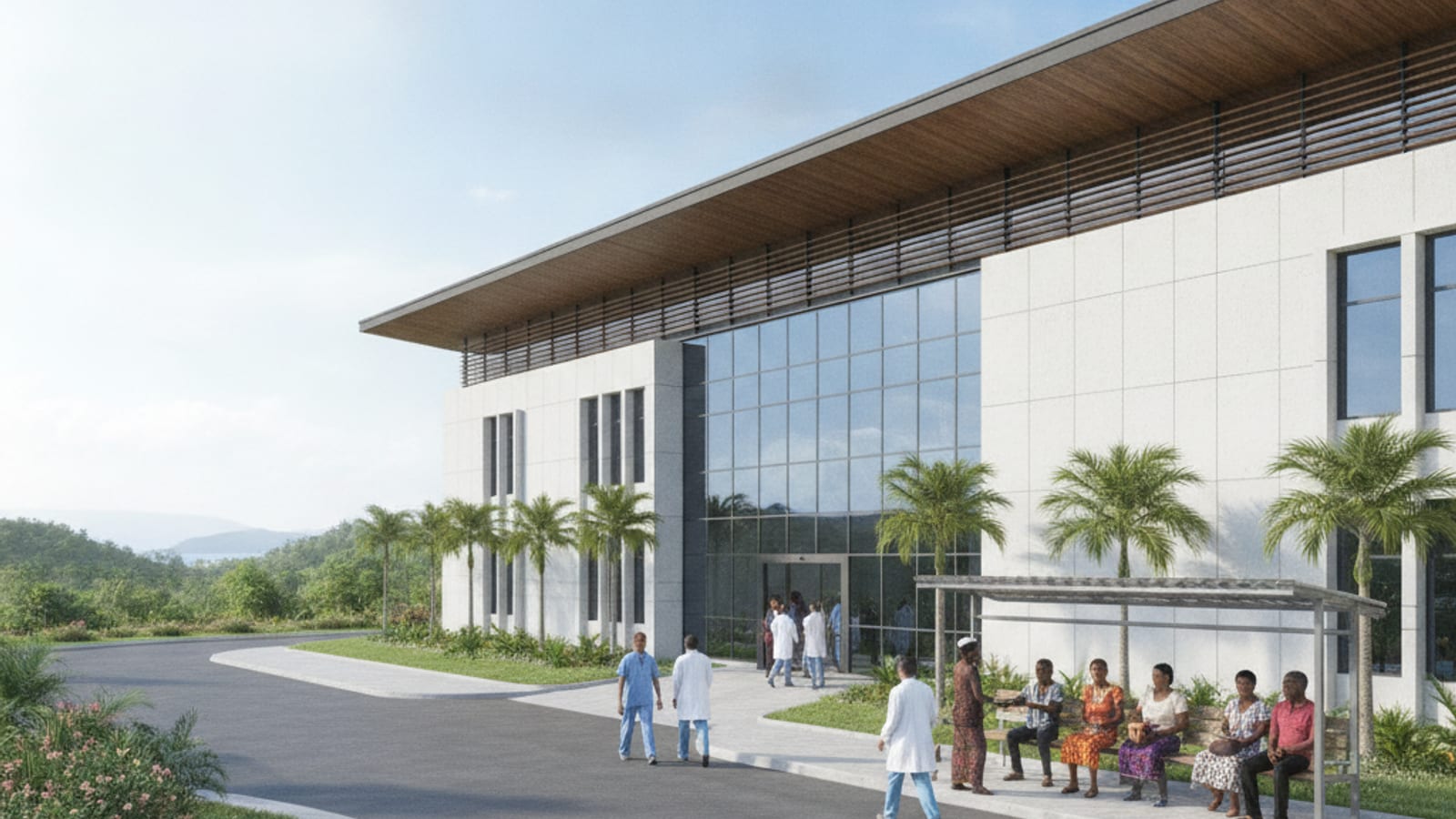
The recent visit of Pacific Partnership 2026 medical professionals to Hospital Nacional Guido Valadres in Dili, reported by DVIDS, brings timely attention to the continuous development of Timor-Leste’s healthcare sector. While the specifics of the visit’s outcomes are yet to fully unfold, such engagements are generally aimed at knowledge exchange, training, and strengthening local medical capacity. For organisations operating in Timor-Leste, this type of international collaboration signals a sustained focus on improving public health infrastructure, which carries several practical implications.
Implications for Workforce Health and Productivity
A healthier workforce is a more productive workforce. Any initiative that strengthens local healthcare facilities and skills, such as the Pacific Partnership visit, contributes directly to the overall well-being of the population, including employees of businesses and NGOs. Improved access to quality medical care can lead to reduced absenteeism due to illness, faster recovery times, and a generally more robust and engaged team. Employers should view these developments not just as public health matters, but as factors that directly impact their operational efficiency and bottom line. Organisations might consider reviewing their employee health benefits, wellness programs, and workplace safety protocols in light of evolving local health capacities. Understanding the local health landscape allows for better planning and risk management related to workforce availability and health-related costs.
Signalling for Community Stability and Investment Climate
Beyond direct workforce benefits, a strengthening healthcare system contributes significantly to broader community stability. For foreign investors, development partners, and NGOs, the presence of effective healthcare infrastructure is a key indicator of a stable and developing nation. It impacts the quality of life for expatriate staff and their families, and it reflects the government’s commitment to social development, which often correlates with a more predictable operating environment. A healthier population also means a more resilient community, capable of sustaining economic activities and responding to challenges. While a single visit by medical professionals is not a transformative event, it is part of a larger, ongoing effort to build national capacity. Organisations should monitor these trends as they inform long-term strategic planning, community engagement strategies, and assessments of Timor-Leste’s overall investment climate.
This article is general information, not advice. Rules and rates change and your situation may differ. Talk to us before acting on anything here.