
PM Xanana Gusmão's Honorary Doctorate: What it Means for Timor-Leste's Business Landscape
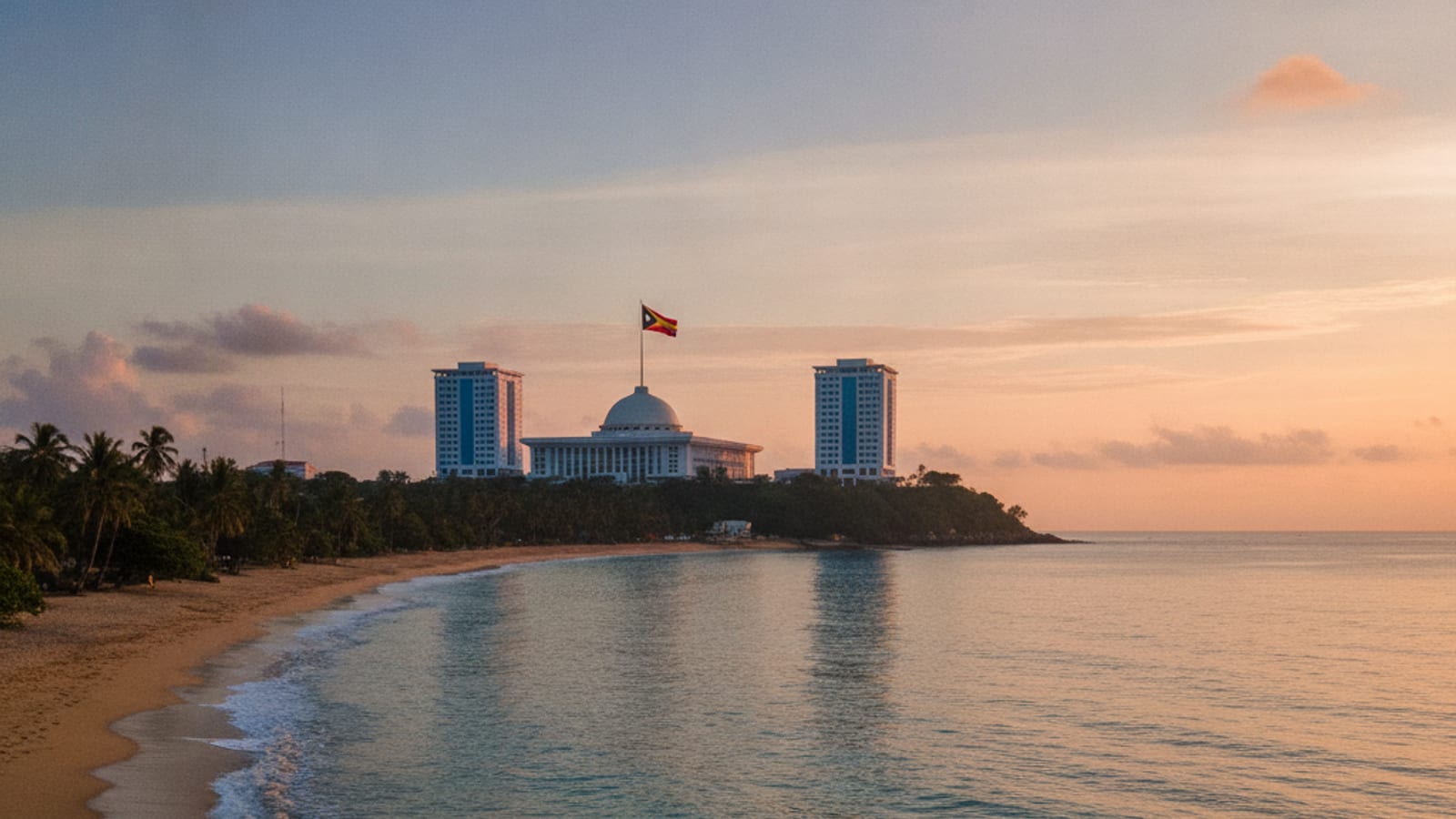
Prime Minister Kay Rala Xanana Gusmão recently received a “Doctor Honoris Causa” from Hasanuddin University (UNHAS) in Indonesia. While such awards are often seen as purely ceremonial, the specific reasons cited by the university and the Prime Minister’s remarks during the ceremony offer valuable insights into the ongoing priorities for Timor-Leste’s governance, regional relations, and long-term development trajectory. For businesses, NGOs, and foreign investors operating in Timor-Leste, this event underscores key aspects of the nation’s political and economic landscape.
Strengthening Regional Ties and Stability
UNHAS explicitly recognized Prime Minister Gusmão’s role in fostering reconciliation and friendship between Timor-Leste and Indonesia, transforming conflict into a bridge for peace. This emphasis on strong bilateral relations is a significant signal for the operating environment. Indonesia remains a crucial trading partner and a major source of imports and investment for Timor-Leste. Stable, cooperative relations with a major neighbor reduce geopolitical risk and can facilitate smoother cross-border logistics, trade flows, and regional integration. Furthermore, the Prime Minister highlighted the importance of peaceful maritime border management, referencing negotiations with Australia and ongoing discussions with Indonesia. This commitment to resolving complex international issues through diplomacy and international law provides greater certainty for long-term investments, particularly in sectors such as energy, fisheries, and shipping, where maritime boundaries are critical. Organisations should view this as a positive indicator for continued regional stability, which directly impacts supply chain reliability and market access.
Governance, Development, and a Rules-Based Approach
The university also lauded Prime Minister Gusmão’s transition from a resistance leader to a statesman, contributing to the establishment of state institutions, strengthening democracy, promoting development, and defending national sovereignty through diplomacy and law. This recognition of his role in laying the foundations of the Timorese state and its democratic processes is significant. It reinforces the government’s stated commitment to stable governance, institutional development, and a rules-based approach to both internal administration and international relations. For organisations, this suggests a continued focus on improving public administration and legal frameworks, which are essential for a predictable and efficient business environment. While progress can be gradual, the consistent articulation of these priorities by the nation’s leadership provides a framework for understanding policy direction. Investors and NGOs can anticipate ongoing efforts to streamline processes and strengthen the rule of law, which are fundamental to reducing operational risks and fostering a conducive environment for growth and impact. Organisations should continue to monitor policy developments and engage with government initiatives that aim to enhance transparency and administrative efficiency.
In essence, the honorary doctorate, far from being a mere accolade, serves as a reaffirmation of the core principles guiding Timor-Leste’s leadership: peace, reconciliation, state-building, and a commitment to diplomacy and international law. For those operating here, it underscores the importance of a stable regional environment and a government focused on foundational development. Organisations should continue to factor these signals into their strategic planning, recognising that consistency in these areas contributes significantly to a more predictable and secure operating landscape in Timor-Leste.
This article is general information, not advice. Rules and rates change and your situation may differ. Talk to us before acting on anything here.