
Recognising Ability: What Disability Inclusion Means for Timor-Leste's Organisations
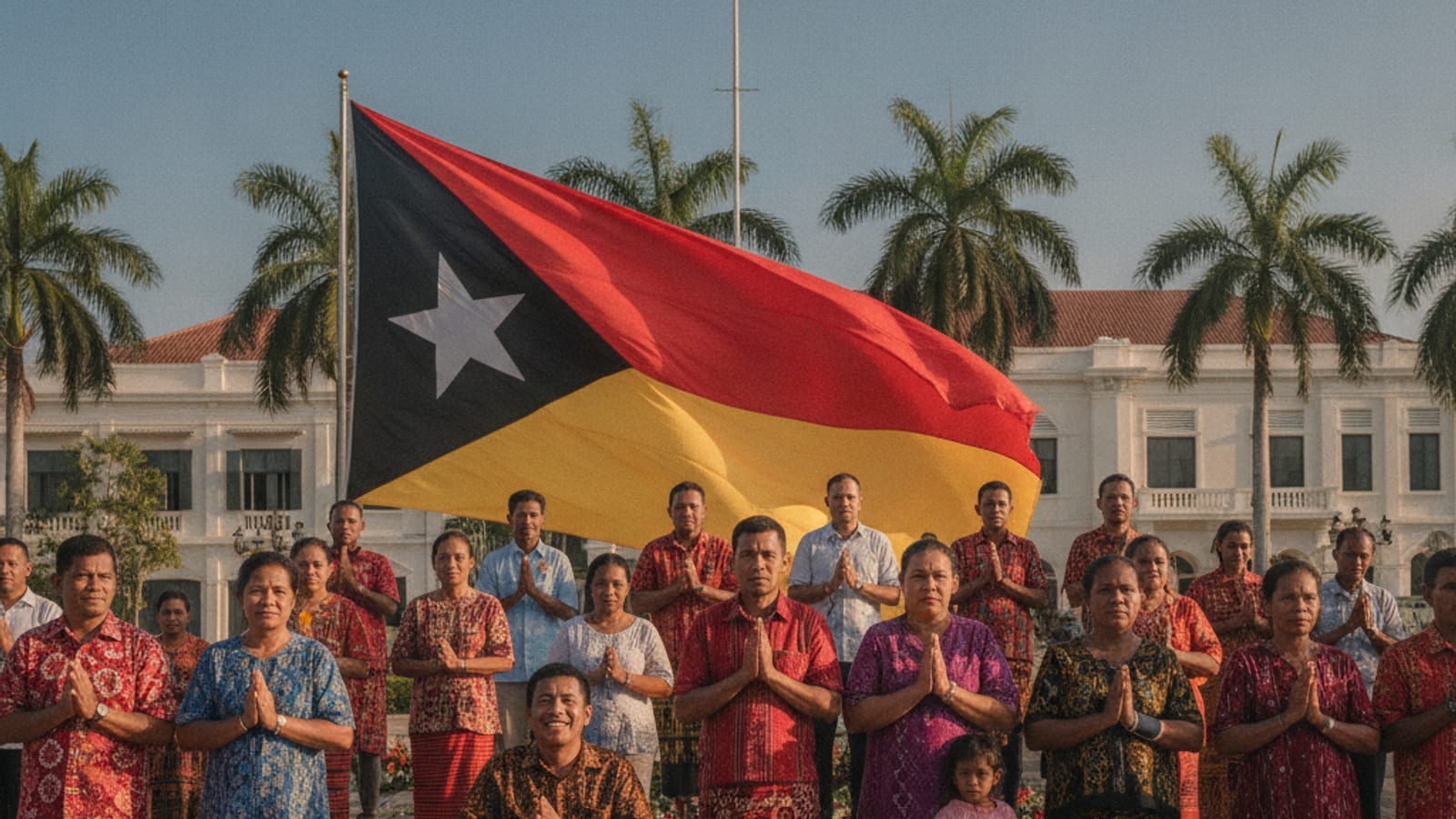
The recent 51st anniversary of Timor-Leste’s Independence Proclamation saw a poignant moment at the national flag-raising ceremony, where four individuals with physical disabilities proudly participated. Invited by the Prime Minister, their involvement was not merely symbolic; it was, as one participant, Angelmo José Martins, stated to TATOLI, a powerful affirmation that “physical limitations do not impede one’s contribution to the nation.” This event underscores a significant and evolving narrative around social inclusion in Timor-Leste.
A Clear Signal for Social Inclusion and Rights
This high-profile participation sends a strong message about the government’s commitment to recognising the rights and contributions of all citizens, including those with disabilities. The individuals involved, including Lígia Soares, Eva Soares Martins, and Marcos de Araújo, highlighted the experience as a sign of equality and an inspiration. Eva Soares Martins explicitly referenced the existing law for people with disabilities, which is ratified under the United Nations Convention on the Rights of Persons with Disabilities (CRPD) adopted on December 13, 2006. This legal framework, combined with visible government encouragement, indicates a deepening focus on ensuring that citizens with disabilities have equal opportunities and are not subject to discrimination. For businesses, NGOs, and development partners operating in Timor-Leste, this is a clear signal that diversity and inclusion are increasingly important considerations in the national context. It moves beyond mere rhetoric to visible action and legal backing, suggesting that organisations should proactively align their practices with these principles.
Practical Steps for Employers and NGOs
For employers, this development has tangible implications, particularly concerning human resources and workplace environment. The message from the participants is clear: they are ready and able to contribute. Organisations should consider reviewing their recruitment processes to ensure they are inclusive and accessible to people with disabilities. This might involve re-evaluating job descriptions, advertising channels, and interview procedures to remove potential barriers. Furthermore, it prompts a consideration of workplace accessibility. While not every organisation can immediately implement extensive structural changes, smaller, practical adjustments can often make a significant difference. This could range from ensuring accessible pathways and restrooms to providing adaptive equipment or flexible work arrangements where feasible.
For NGOs and development partners, the emphasis on inclusion aligns with their mandates and provides an opportunity to strengthen their impact. Integrating disability inclusion into program design, staffing, and community engagement efforts will not only be compliant with national aspirations and international conventions but also enhance the effectiveness and reach of their work. Beyond direct employment, organisations might also consider their supply chains and partnerships. Do the businesses they work with reflect similar values of inclusion? This is an opportune moment to assess corporate social responsibility initiatives and ensure they genuinely reflect and support Timor-Leste’s evolving social landscape.
The Value of a Diverse Workforce
Beyond compliance and social responsibility, embracing disability inclusion offers practical benefits. A diverse workforce, including individuals with disabilities, brings a wider range of perspectives, skills, and experiences. This can foster innovation, improve problem-solving, and enhance an organisation’s understanding of a broader customer or beneficiary base. The participants in the flag-raising ceremony demonstrated pride and capability, underscoring the potential talent pool that businesses and NGOs might otherwise overlook. Proactively engaging with this segment of the population can lead to a more resilient and representative workforce, which is a strategic advantage in any operating environment. As Timor-Leste continues its development journey, tapping into the full potential of its human capital, including those with disabilities, will be crucial for sustained growth and social equity.
This article is general information, not advice. Rules and rates change and your situation may differ. Talk to us before acting on anything here.