
Sharpening the Message: The Impact of Language and Digital Skills for Timor-Leste Organisations
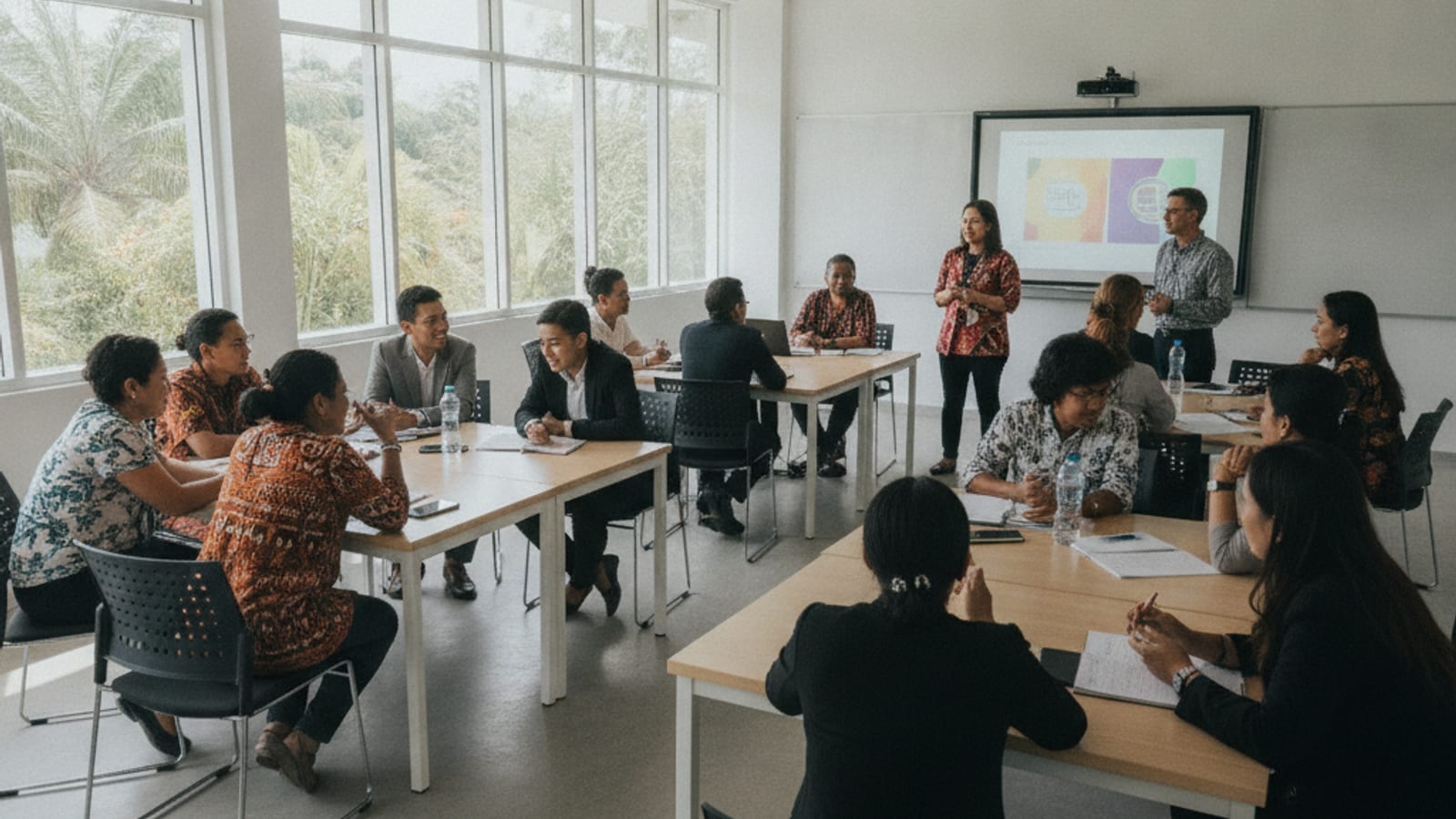
The Consultório da Língua para Jornalistas (CLJ), a joint initiative between Camões, I.P. and the Secretary of State for Social Communication (SEKOMS), recently marked its 10th anniversary, celebrating a decade of efforts to elevate professional standards in social communication in Timor-Leste. This milestone, which has seen hundreds of journalists and government professionals receive Portuguese language training, signals a continued commitment to improving the quality and reach of information within the nation. For organisations operating in Timor-Leste, this development has several practical implications, particularly concerning the reliability of public information and the evolving skill sets of the local workforce.
A More Informed Operating Environment
One of the most direct benefits of CLJ’s work is the potential for a more robust and reliable information environment. By training 789 journalists and 68 government professionals in Portuguese language proficiency over ten years, the initiative aims to ensure information is disseminated with “accuracy, rigour, and professionalism,” as stated by the Secretary of State. For businesses, NGOs, and foreign investors, this translates into several advantages. Clearer government communications, especially in an official language like Portuguese, can reduce ambiguity around policy changes, regulatory updates, and official directives. This improved clarity can streamline compliance efforts and reduce operational risks associated with misinterpreting public announcements.
Furthermore, a more skilled and ethically conscious media, equipped with fact-checking abilities and critical thinking, means that organisations can expect more balanced and accurate reporting. This is vital for public relations, market analysis, and gauging public sentiment. While the challenge of misinformation persists, the continuous professional development championed by CLJ suggests a proactive approach to maintaining journalistic integrity. Organisations should monitor how this improved communication infrastructure develops, as it can significantly impact their ability to engage with the public and understand the local context.
Evolving Workforce Skills and Future Talent
The anniversary celebration also highlighted a broader vision for workforce development beyond just language. The Secretary of State emphasised the need for journalists to continuously learn and adapt to the rapidly changing media landscape, specifically mentioning digital journalism, fact-checking, professional ethics, critical thinking, and new technological tools like Artificial Intelligence (AI). This focus on a diverse set of modern communication skills has wider implications for the talent pool in Timor-Leste.
For employers, this indicates a growing recognition within the education and government sectors of the importance of digital literacy, analytical skills, and ethical conduct. While directly targeting journalists, these skills are highly transferable and valuable across many sectors, from marketing and public relations to internal communications and data analysis. Organisations seeking to hire locally should note this emphasis on continuous learning and digital proficiency. It also signals a potential for closer collaboration between universities and industry, as the government calls for integrating social communication students with real newsroom demands. This could lead to a more job-ready graduate pool in the future, prompting organisations to consider how they might engage with these emerging talents or adapt their own internal training programmes to leverage these developing skills.
Source: Tinan sanulu, CLJ kontribui ba kualifikasaun jornalista iha lia-portugés — TATOLI
This article is general information, not advice. Rules and rates change and your situation may differ. Talk to us before acting on anything here.