
Tasi-Tolu Road Expansion: Balancing Development with Community Needs
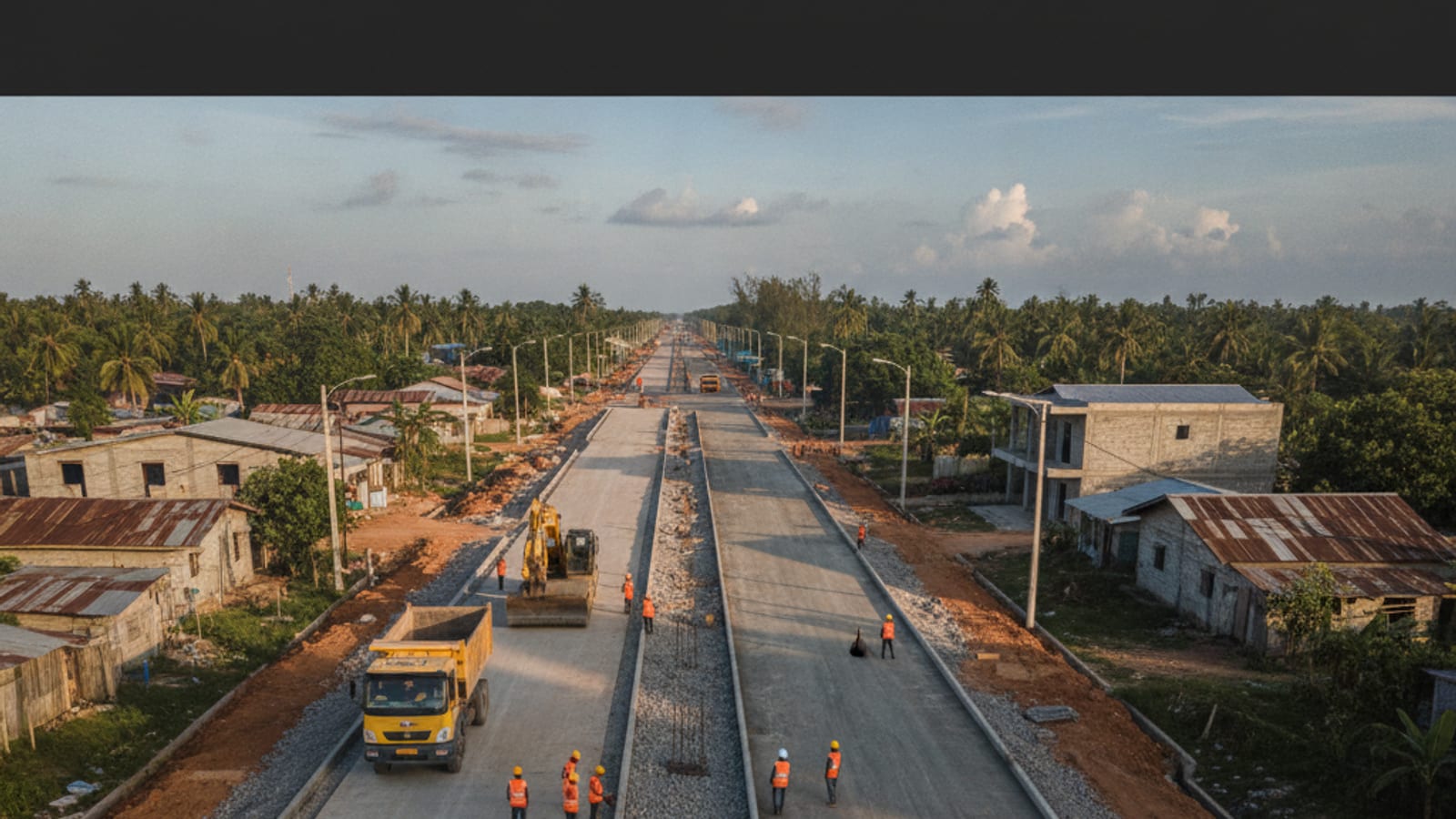
The expansion of the road in the Tasi-Tolu area of Dili is a significant infrastructure project, but its progress is currently facing challenges related to community resettlement. According to TATOLI, 102 households in Aldeia 12 Outubru, Bairru Danau III, have been asked to vacate their homes by October 16, 2026, to make way for the road widening project from Aldeia 12 Outubru to the João Paulo II Statue. However, these families report they have not yet received the promised compensation for the structures they built, despite having submitted necessary documents.
Implications for Infrastructure Development and Project Risk
Major infrastructure projects like the Tasi-Tolu road expansion are crucial for Timor-Leste’s economic development, improving connectivity, reducing travel times, and facilitating trade and logistics within Dili. For businesses, better roads mean more efficient transport of goods, reduced operational costs, and improved access to markets and customers. The project, undertaken by Bandido Kualidade according to available information, aims to enhance this vital network.
However, the current situation underscores a common challenge in large-scale development: the timely and equitable execution of land acquisition and compensation processes. Delays in compensating affected communities can lead to project slowdowns, reputational risks for government bodies and contractors, and potential social unrest. For foreign investors and development partners, such delays can signal uncertainty in project timelines and execution, which may influence investment decisions. Organisations operating in Timor-Leste should monitor the progress of key infrastructure projects, not just for their direct benefits but also for any associated challenges that could impact broader economic stability or operational predictability.
Social Impact and Workforce Considerations
The immediate impact on the 102 households is significant. As reported by TATOLI, families are ready to contribute to national development by vacating the land, which they acknowledge is state-owned, but they need compensation for their homes to secure new housing and cover moving costs. The lack of funds for relocation by the specified deadline creates a difficult situation for these families. One resident, Rosalina da Costa, highlighted the practical challenge of not having money to pay for transport to move their belongings.
For NGOs and development partners working on social welfare or community development, situations like this can increase demand for support services, particularly for vulnerable populations facing displacement. It highlights the importance of robust social impact assessments and clear, transparent resettlement frameworks in major development projects.
Businesses employing staff from the affected areas should also be aware of the potential disruption to their workforce. Displacement without adequate support can lead to stress, absenteeism, or even relocation of employees, which could indirectly affect local labor availability and stability. Understanding and preparing for such community-level impacts is a practical step for responsible organisations operating in Timor-Leste.
Source: Afetadu alargamentu estrada Tasi-Tolu prontu sai — TATOLI
This article is general information, not advice. Rules and rates change and your situation may differ. Talk to us before acting on anything here.