
Timor-Leste's Biometric Voter Registration: Planning for Operational Impacts
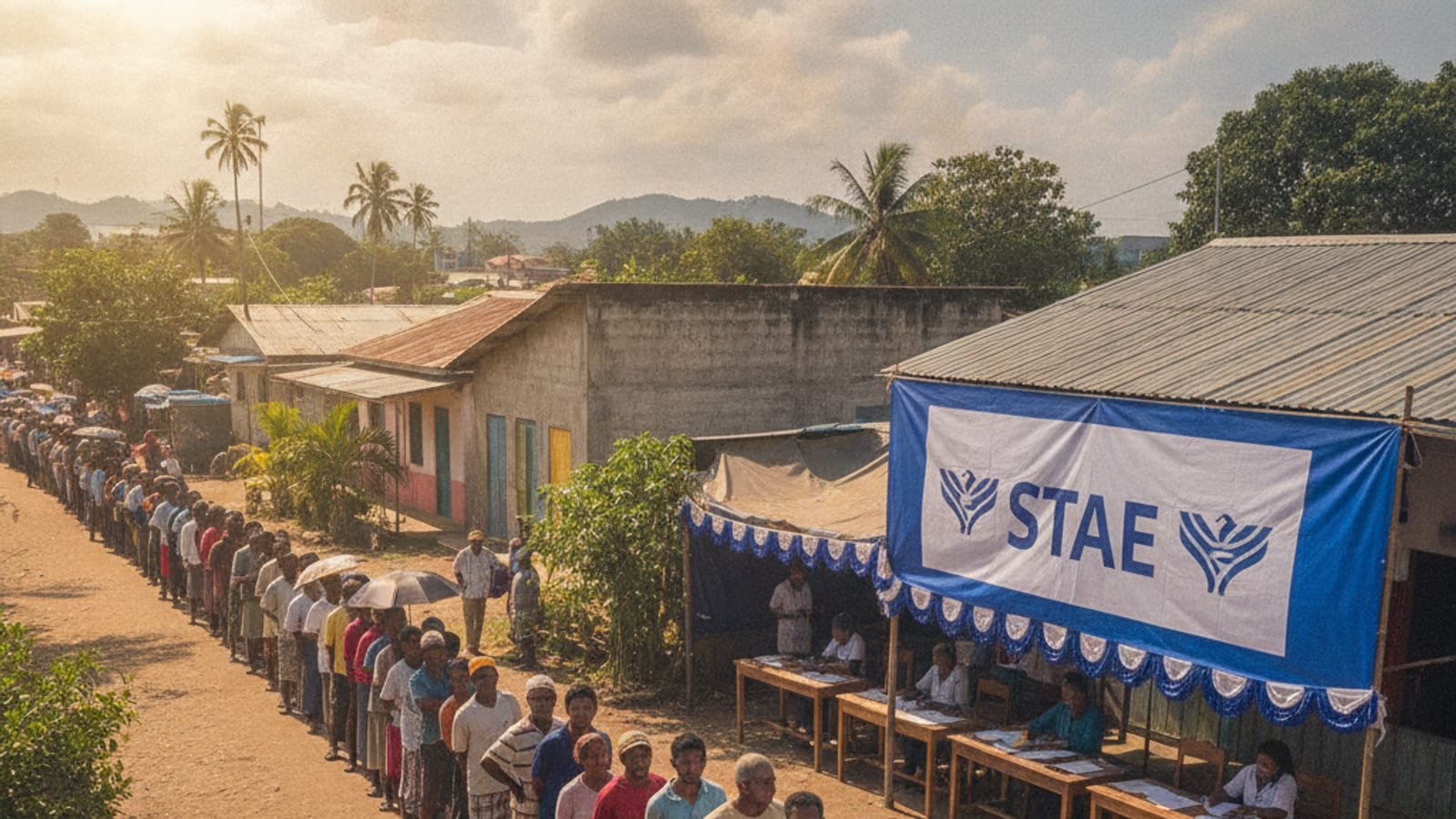
The Secretariat for Electoral Administration (STAE) is actively preparing for the 2027 presidential election, including a crucial biometric voter registration process. According to the Minister of State Administration, Tomás do Rosário Cabral, this initiative aims to update voter data, including changes in residency and other essential details, ensuring accurate electoral rolls. This comprehensive update, which includes facilitating registration and voting for Timorese citizens abroad, will culminate in the tentative election dates of March and April 2027.
For organisations in Timor-Leste, this period of electoral preparation is more than just a political event; it presents practical considerations for workforce management and operational planning. The emphasis on individual citizens updating their voter cards – with the understanding that failure to do so will exclude them from the voter list – means employees will need to allocate time for this process.
Anticipating Workforce Impacts
Organisations should anticipate potential short-term disruptions to their daily operations as employees attend registration centres. While STAE is set to conduct public awareness campaigns regarding registration periods and locations, the actual time commitment for individuals can vary. Businesses and NGOs should consider how to manage staffing levels during these periods, especially for critical functions or time-sensitive projects. This might involve flexible scheduling, adjusting deadlines, or communicating internally about the importance of early registration to minimise last-minute rushes. Planning ahead can help mitigate productivity losses and ensure business continuity. For employers, understanding and accommodating this civic duty, without partisan involvement, can also contribute to positive employee relations and community engagement.
Broader Operational Planning and Stability Signals
Beyond immediate workforce considerations, the lead-up to and execution of the 2027 presidential election, as outlined by the government’s preparations, has broader implications for the operating environment. The tentative scheduling of the first round of elections in March 2027 and a potential second round in April 2027 provides a clear timeframe for businesses and NGOs to integrate into their annual planning. Historically, election periods can bring a slowdown in government administrative processes, and some public services might operate with reduced capacity. Organisations dealing with permits, licensing, or other government approvals should factor this into their timelines, aiming to complete critical interactions well in advance of the election months.
Furthermore, the diligent preparation for a democratic exercise, including the publication of Government Decree No. 6/2026 for overseas electoral registration, sends a positive signal regarding Timor-Leste’s political stability. A well-managed electoral process is a cornerstone of a predictable operating environment, which is vital for maintaining investor confidence and fostering long-term economic growth. While it’s not a direct economic policy, the stability provided by a clear electoral calendar and robust administrative preparations contributes indirectly to a more secure and attractive climate for foreign investment and local business development.
Source: Tomás Cabral: STAE kontinua prepara prosesu resenseamentu biométriku — TATOLI
This article is general information, not advice. Rules and rates change and your situation may differ. Talk to us before acting on anything here.