
Timor-Leste's Customs Modernisation: Preparing for Authorised Economic Operator (AEO)
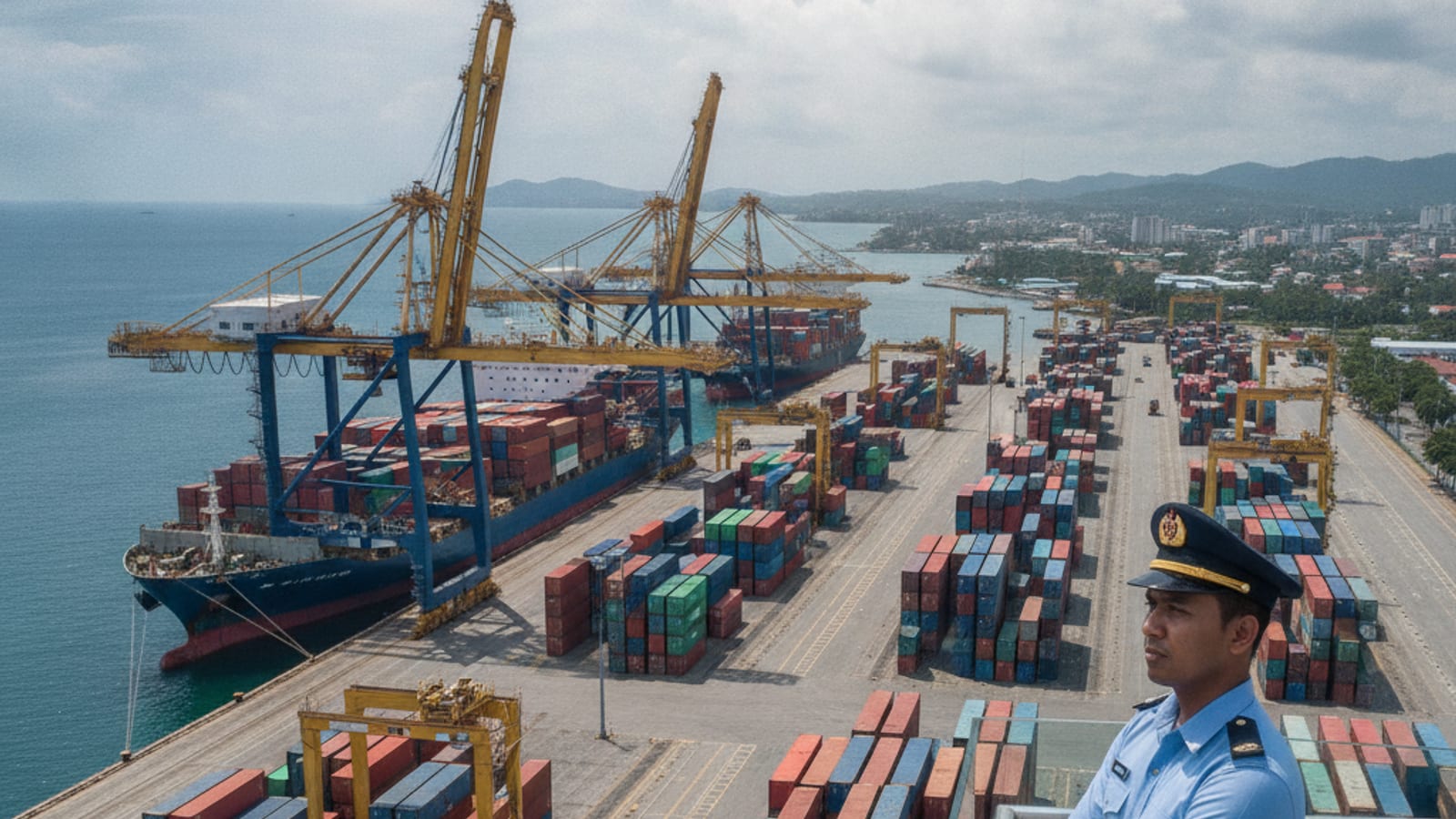
Timor-Leste is taking a significant step towards modernising its customs administration with the support of the World Customs Organization (WCO). A national seminar, held from June 22-26, 2026, brought together experts from Japan, Indonesia, and Australia to focus on building capacity for an Authorised Economic Operator (AEO) program. This initiative, as highlighted by Timor-Leste Customs Commissioner Joanico Pinto, is designed to enhance global supply chain security while making legitimate international trade more efficient.
Understanding the Authorised Economic Operator (AEO) Program
The AEO program is a globally recognised framework developed by the WCO. It shifts the customs administration approach from mere monitoring and control to a partnership with businesses that meet high standards of compliance and security. Essentially, businesses certified as AEOs are considered “trusted partners” by customs authorities. According to the WCO’s Regional Office Head, Jun Tajima, AEO is an effective instrument built on trust between government and the private sector.
Benefits for businesses with high compliance, financial reliability, and strong supply chain security can include priority services, reduced inspections, and accelerated release processes for goods. The seminar is also developing a roadmap for a national AEO program, with a pilot implementation targeted for August 2026.
What This Means for Timor-Leste Businesses and the Economy
The establishment of a comprehensive AEO program holds substantial implications for businesses operating in Timor-Leste, particularly those involved in import and export.
For Importers and Exporters: The most direct impact will be on the speed and cost of moving goods across borders. With reduced inspections and faster clearance, businesses can expect improved supply chain predictability and potentially lower logistics costs. This can lead to more competitive pricing for goods and services, both domestically and internationally. The AEO program’s emphasis on security and compliance standards also means businesses will need robust internal controls and record-keeping practices to qualify and maintain certification. This is a move towards aligning Timor-Leste’s customs practices with international best practices, which is crucial for trade facilitation.
Wider Economic Impact: As Commissioner Joanico Pinto noted, a comprehensive AEO program is a crucial step to enhance commercial competitiveness and strengthen regional connectivity. This is particularly relevant given Timor-Leste’s aspirations for ASEAN economic integration. The ASEAN AEO Mutual Recognition Arrangement (AAMRA) allows member nations to recognise each other’s AEO programs, further reducing duplicate inspections and accelerating cross-border trade within the region. This not only reduces compliance costs but also facilitates smoother flows of goods, making Timor-Leste a more attractive destination for foreign investment and trade. Efficient and transparent customs procedures, as stated by Japan’s Deputy Chief of Mission Yuki Sakai, reduce costs, increase predictability, and create a more attractive environment for trade and investment. This could stimulate economic growth and job creation by encouraging greater participation in regional and global supply chains.
Preparing for a Streamlined Future
Businesses in Timor-Leste, especially those with international trade operations, should proactively understand the upcoming AEO program. While the pilot is slated for August 2026, now is the time to review internal processes related to supply chain security, customs compliance, and financial management. Consider whether your current record-keeping and operational procedures meet international standards. Engaging with customs brokers and advisors who are familiar with AEO principles can also be beneficial. This modernisation effort signals a clear commitment from the Timor-Leste government to improve the ease of doing business and integrate more deeply into the regional economy. Businesses that prepare early will be best positioned to capitalise on the benefits of faster, more secure, and less costly trade.
Source: WCO apoia Timor-Leste harii sistema alfándega ne’ebé modernu — TATOLI
This article is general information, not advice. Rules and rates change and your situation may differ. Talk to us before acting on anything here.