
Timor-Leste's Call for Environmental Stewardship: What it Means for Organisations
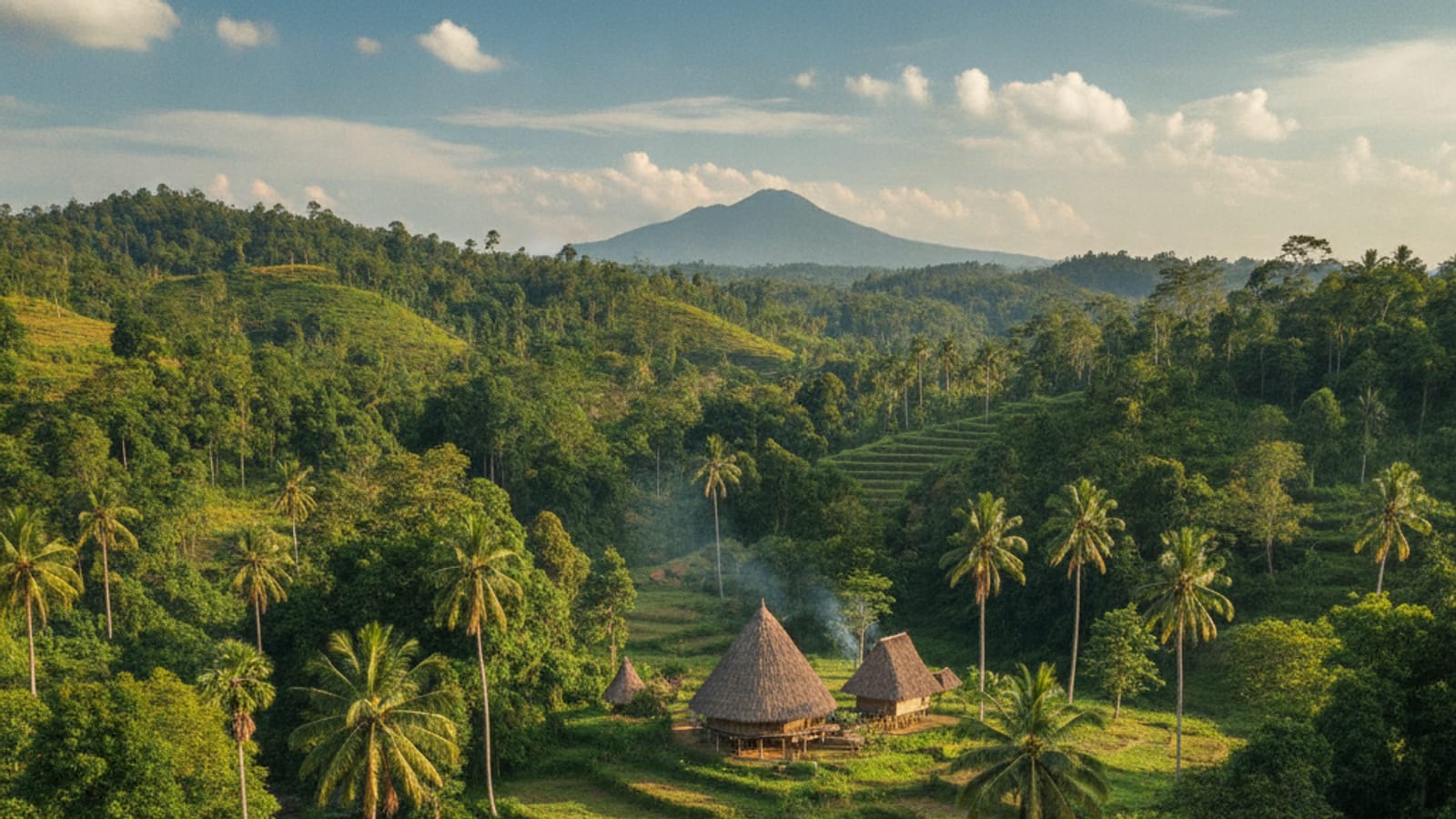
President José Ramos-Horta recently used the platform of the Dili International Marathon to deliver a powerful message to the community: protect the forests, conserve water sources, and refrain from indiscriminate logging and hunting. This call, echoed by the Secretary of State for Forestry, Fernandino Vieira da Costa, underscores a growing national emphasis on environmental conservation and its critical link to Timor-Leste’s future.
The Economic Imperative of Environmental Health
For any organisation operating in Timor-Leste, the health of the natural environment is not merely an ethical concern, but a fundamental economic one. Indiscriminate logging and the degradation of water sources, as highlighted by the President, can lead to significant practical challenges. Businesses, particularly those in agriculture, manufacturing, or tourism, rely heavily on stable water supplies and healthy ecosystems. Water scarcity can increase operational costs, impact agricultural yields, and potentially disrupt supply chains, affecting everything from coffee production (including the unique ‘coffee luwak’ mentioned by the President as an economic asset) to the daily functioning of offices and facilities.
Furthermore, Timor-Leste’s natural beauty is a key asset for its nascent tourism sector and for attracting foreign investment. A degraded environment undermines these efforts, making the country less attractive to visitors and investors seeking sustainable opportunities. The government’s initiatives, such as the mentioned ‘Timor carbon fundation’ and tree-planting programs, signal a long-term vision that organisations should integrate into their own strategic planning. A stable and healthy environment translates directly into lower long-term operational risks and greater opportunities for sustainable growth.
Opportunities for Corporate Responsibility and Engagement
President Ramos-Horta’s message and the ongoing efforts by the Ministry of Agriculture, Livestock, Fisheries, and Forestry to raise awareness (‘sensibilizasaun’) about forest conservation present clear opportunities for businesses and NGOs. Engaging in corporate social responsibility (CSR) initiatives focused on environmental protection is no longer just a ‘nice to have’ but an increasingly important aspect of operating with a social license in Timor-Leste.
Organisations can consider several practical steps. This might include reviewing their own environmental footprint, implementing water-saving measures, or exploring partnerships with local communities and government programs for reforestation. Supporting local initiatives that protect wildlife, particularly those that have a direct link to economic activities like coffee production, can also yield positive returns in terms of community relations and brand reputation. The recognition of community members who plant trees and conserve land and water, as mentioned by the Secretary of State, highlights a national appreciation for such efforts. By aligning with these national priorities, organisations can demonstrate commitment to Timor-Leste’s long-term sustainability and foster stronger relationships with stakeholders.
Source: Ramos-Horta husu komunidade labele tesi ai arbiru no kuidadu bee-matan — TATOLI
This article is general information, not advice. Rules and rates change and your situation may differ. Talk to us before acting on anything here.