
Timor-Leste's High TB Burden: Implications for Businesses and NGOs
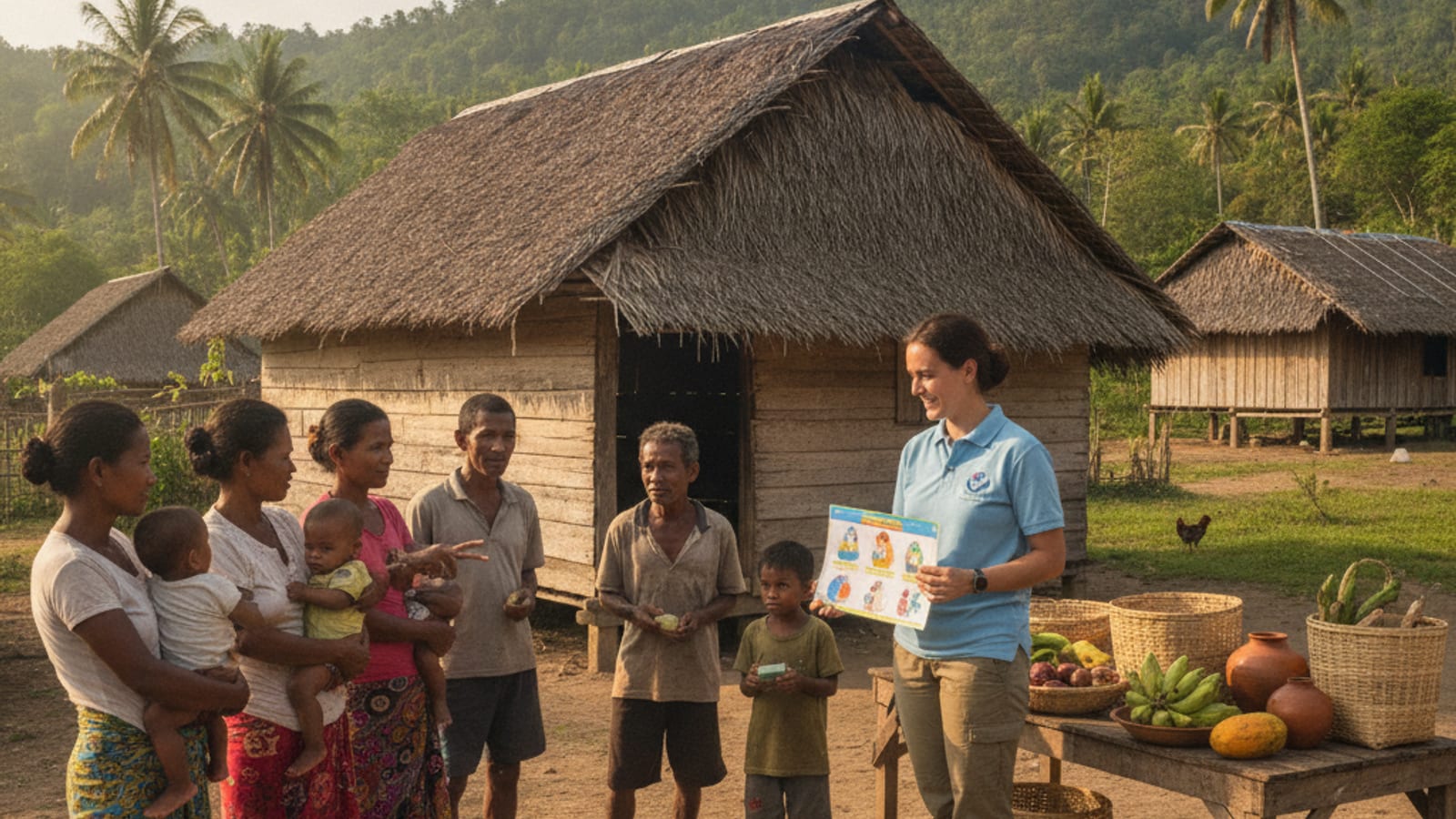
The World Health Organization (WHO) has announced increased action in the South-East Asia Region, specifically highlighting Timor-Leste’s significant burden of tuberculosis (TB). While the news underscores a critical public health challenge, it also brings into focus several practical considerations for businesses, NGOs, and development partners operating in Dili and across the country.
Organisations in Timor-Leste must consider how public health challenges, such as a high TB burden, can impact their operations, workforce, and strategic planning. This isn’t just a health issue; it’s an economic and operational one that warrants proactive attention.
Impact on Workforce Health and Productivity
A high prevalence of TB in the community directly translates to potential health risks for an organisation’s workforce. TB is a communicable disease, meaning it can spread within workplaces and communities. For employers, this can lead to increased absenteeism, reduced productivity, and potential disruptions to operations. Employees affected by TB may require extended periods of treatment and recovery, placing a strain on team capacity and project timelines.
Organisations should review their workplace health policies to ensure they adequately address communicable diseases. This could include promoting awareness about TB symptoms, encouraging early diagnosis, and supporting employees through treatment. While direct employer-provided healthcare is not always the norm in Timor-Leste, fostering a supportive environment and providing information on accessing public health services can be crucial. Proactive measures help safeguard not only individual employees but also the overall health and continuity of the business or NGO.
Broader Operating Environment and Social Responsibility
The high TB burden also reflects on the broader socio-economic landscape of Timor-Leste. A less healthy population can affect consumer demand, the availability of skilled labour, and the overall stability of the operating environment. For NGOs and development partners, this reinforces the importance of health-focused programs and community engagement, potentially influencing funding priorities and project design.
For businesses, considering the wider community health context is part of being a responsible corporate citizen. This might involve supporting public health initiatives, collaborating with local health authorities or NGOs, or simply ensuring business practices do not inadvertently contribute to health risks. A healthier community ultimately contributes to a more robust economy and a more stable environment for all organisations. Understanding these linkages helps organisations anticipate challenges and contribute to sustainable development in Timor-Leste.
This article is general information, not advice. Rules and rates change and your situation may differ. Talk to us before acting on anything here.