
Timor-Leste and Malaysia Explore Education Ties: What It Means for Future Workforce Skills
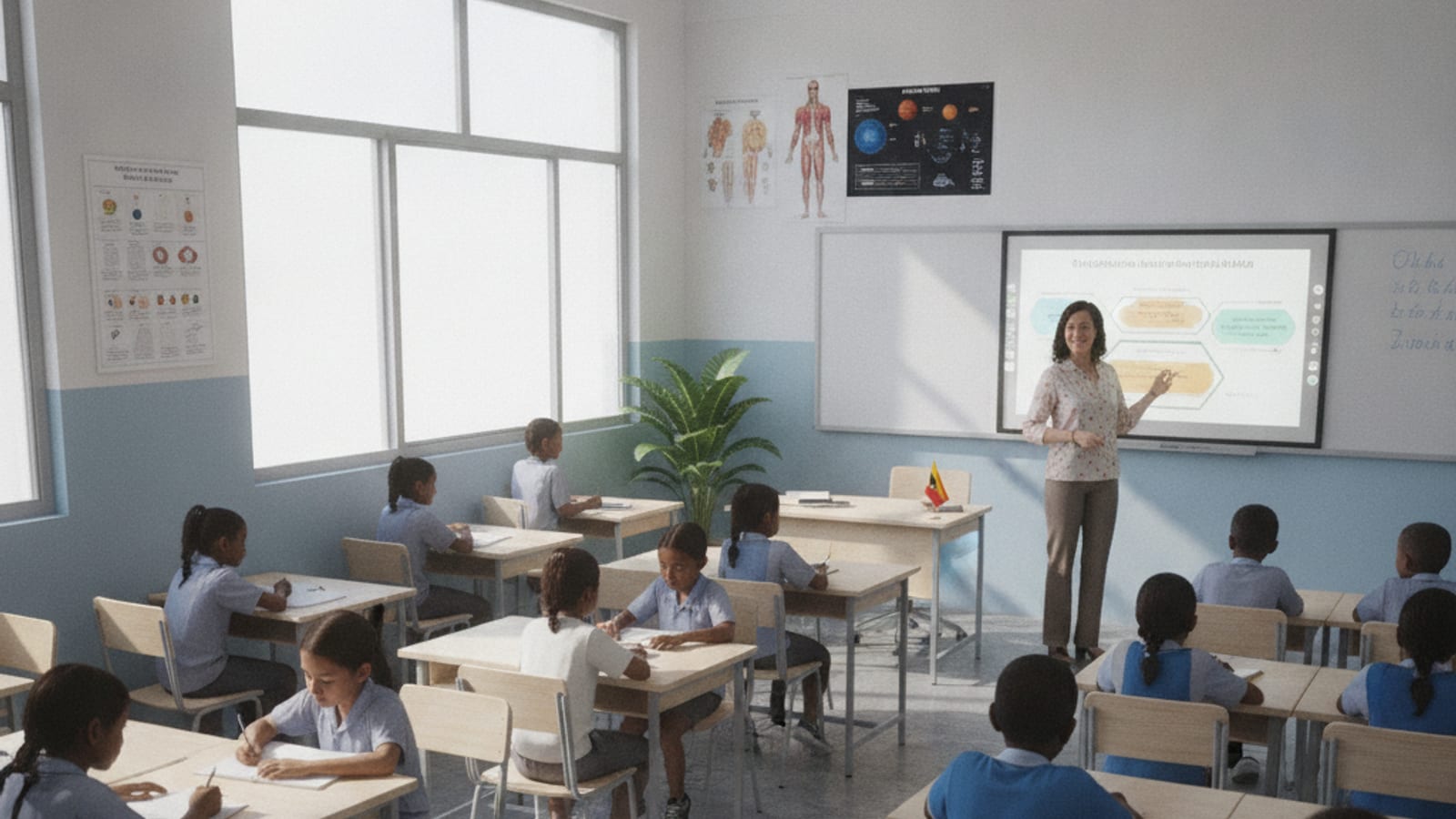
Timor-Leste’s Ministry of Education (ME) and the Government of Malaysia are exploring direct cooperation in education, with discussions covering areas from teacher training and school leadership development to student exchange and teaching practices. This initiative, currently in its exploratory phase, seeks to build on existing higher education ties and extend collaboration to pre-school, primary, and secondary levels, according to TATOLI.
While these discussions are foundational and not yet concrete programs, they signal a significant strategic focus on human capital development. For organisations operating in Timor-Leste, this development, if successfully implemented, has profound long-term implications for the quality and availability of the local workforce.
Long-Term Impact on Workforce Quality
The most direct impact of enhanced educational cooperation at the foundational levels is on the future workforce. Improved teacher training and school leadership, as discussed by the Minister of Education, Dulce de Jesus Soares, directly contribute to a higher standard of education for students from an early age. Over time, this means that individuals entering the job market will possess stronger foundational skills, better critical thinking abilities, and potentially greater adaptability.
For businesses and NGOs, this translates into several practical benefits. Employers may find a more skilled pool of candidates for entry-level positions, potentially reducing the need for extensive in-house remedial training in basic literacy, numeracy, or problem-solving. A more educated workforce is generally more productive, more trainable for specific roles, and better equipped to adapt to evolving industry demands. While these changes will not be immediate, organisations should monitor the progress of these initiatives as they could influence long-term recruitment strategies and human resource planning in Timor-Leste. It also suggests a government commitment to addressing skill gaps, which is a positive signal for sustained economic growth.
Signalling a Commitment to Development and Regional Learning
The exploration of direct cooperation with Malaysia, a nation with a more developed education system and a strong track record in human resource development, represents a strategic move for Timor-Leste. It indicates a proactive approach by the ME to learn from regional best practices and integrate them into the local education system. This isn’t just about specific programs; it’s about importing effective pedagogical methods, administrative efficiencies, and curriculum development expertise.
For foreign investors and development partners, this initiative sends a clear signal of Timor-Leste’s commitment to long-term national development. A nation that invests in its human capital becomes a more attractive destination for investment, as it promises a more capable and adaptable labour force. Organisations should view these discussions as part of a broader trend towards strengthening the institutional capacity and human resources of Timor-Leste. While the immediate next steps involve identifying concrete programs and implementation mechanisms, as noted by Ambassador Fairuz Adli Bin Mohd Rozali, the direction of travel is towards enhancing the nation’s most valuable asset: its people.
Organisations are advised to stay informed about any concrete agreements or programs that emerge from these discussions. These could include opportunities for private sector involvement in vocational training, partnerships with schools, or even the potential for new educational service providers in the market.
Source: ME no Malázia esplora kooperasaun iha área edukasaun — TATOLI
This article is general information, not advice. Rules and rates change and your situation may differ. Talk to us before acting on anything here.