
Timor-Leste's New Electricity Infrastructure: A Boost for Business and Economy
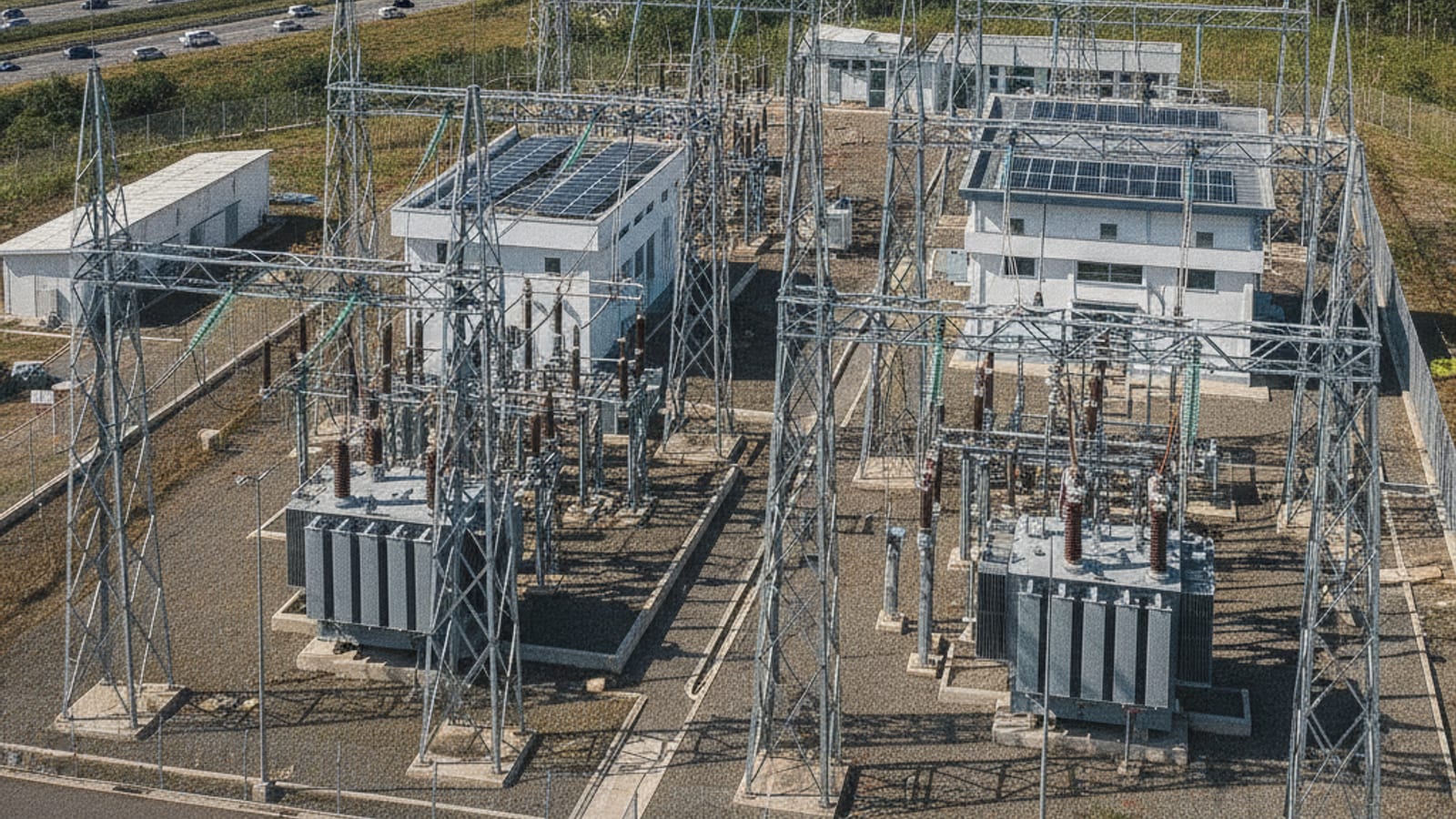
The recent inauguration of significant electricity infrastructure projects in Komoro and Kuluhun, Dili, marks a crucial step in Timor-Leste’s national development. As reported by TATOLI, the government, in partnership with the People’s Republic of China and TBEA company, officially launched the Komoro substation, a 150 kilovolt (kV) transmission network, and the Kuluhun underground cable pilot project. These initiatives are designed to reinforce the national electricity system, with Prime Minister Kay Rala Xanana Gusmão emphasizing the importance of quality in these multi-phase constructions.
Enhancing Business Operations and Reducing Costs
For business owners and operators in Timor-Leste, particularly in Dili, the implications of these upgrades are substantial. A more stable and reliable electricity supply directly translates into reduced operational risks and costs. Many businesses currently rely on backup generators due to intermittent power, incurring significant expenses for fuel, maintenance, and potential equipment damage from power fluctuations. With improved infrastructure, businesses can anticipate:
- Lower Operating Costs: A reduced need for generator use will cut fuel purchases and maintenance expenses, directly improving profitability.
- Enhanced Productivity: Fewer power outages mean less downtime for staff and machinery, ensuring smoother operations and consistent output.
- Better Asset Protection: Stable power reduces the risk of damage to sensitive electronic equipment, extending asset lifespans and lowering repair or replacement costs.
- Improved Cash Flow Management: More predictable utility expenses allow for more accurate budgeting and better cash flow forecasting.
These improvements can free up capital that was previously tied up in managing unreliable power, allowing businesses to reinvest in growth, technology, or staff development.
Broader Economic Signals and Investment
Beyond the immediate operational benefits, these projects send a strong signal about Timor-Leste’s commitment to foundational economic development. According to TATOLI, the Komoro substation will serve as Dili’s second electricity distribution center, strengthening network connectivity between Dili and Liquisa and enhancing the capital’s distribution capacity, stability, and reliability. The Kuluhun underground cable project is also highlighted as a first step towards modernizing Dili’s electricity network for a safer, cleaner, and more reliable urban power grid.
This infrastructure development is a key factor in attracting both domestic and foreign investment. A reliable power supply is a basic requirement for almost any significant investment, from manufacturing to hospitality. The government’s emphasis on ‘quality’ in construction, as stated by PM Xanana, is crucial for long-term sustainability and investor confidence. This can lead to increased economic activity and potentially broaden the tax base over time.
Furthermore, the commitment by TBEA to develop local human resources, training 72 Timorese engineers, technicians, and managers, is a vital investment in the country’s future. This builds local capacity, fosters skilled employment, and reduces reliance on expatriate expertise, contributing to a more self-sufficient and robust economy. This local skill development can have long-term positive effects on the wage income tax base as more skilled jobs are created and filled by Timorese nationals.
Strategic Planning for Businesses
For business owners, now is an opportune time to review your operational strategies and budgets in light of these infrastructure improvements. Consider:
- Re-evaluating Energy Costs: Update your financial forecasts to reflect potential savings from reduced generator usage.
- Investment in Technology: With more stable power, businesses might consider investing in new technologies or expanding operations that were previously hampered by unreliable electricity.
- Staff Training: Leverage the growing pool of local technical talent.
- Compliance and Reporting: Ensure your accounting records accurately reflect any changes in utility expenses and capital investments. Maintaining precise records is crucial for monthly tax returns and overall financial health, particularly regarding Services Tax if your business is in the affected sectors (hotels, restaurants, bars, telecom with monthly turnover above $500).
While these developments are highly positive, it’s important to remember that infrastructure improvements are ongoing. Businesses should maintain a degree of contingency planning but can now do so with greater optimism regarding the stability of the power supply.
Source: Governu-Xina inaugura enérjia eletrisidade iha Komoro no Kuluhun — TATOLI
This article is general information, not advice. Rules and rates change and your situation may differ. Talk to us before acting on anything here.