
Timor-Leste's New Intellectual Property Office: What It Means for Businesses
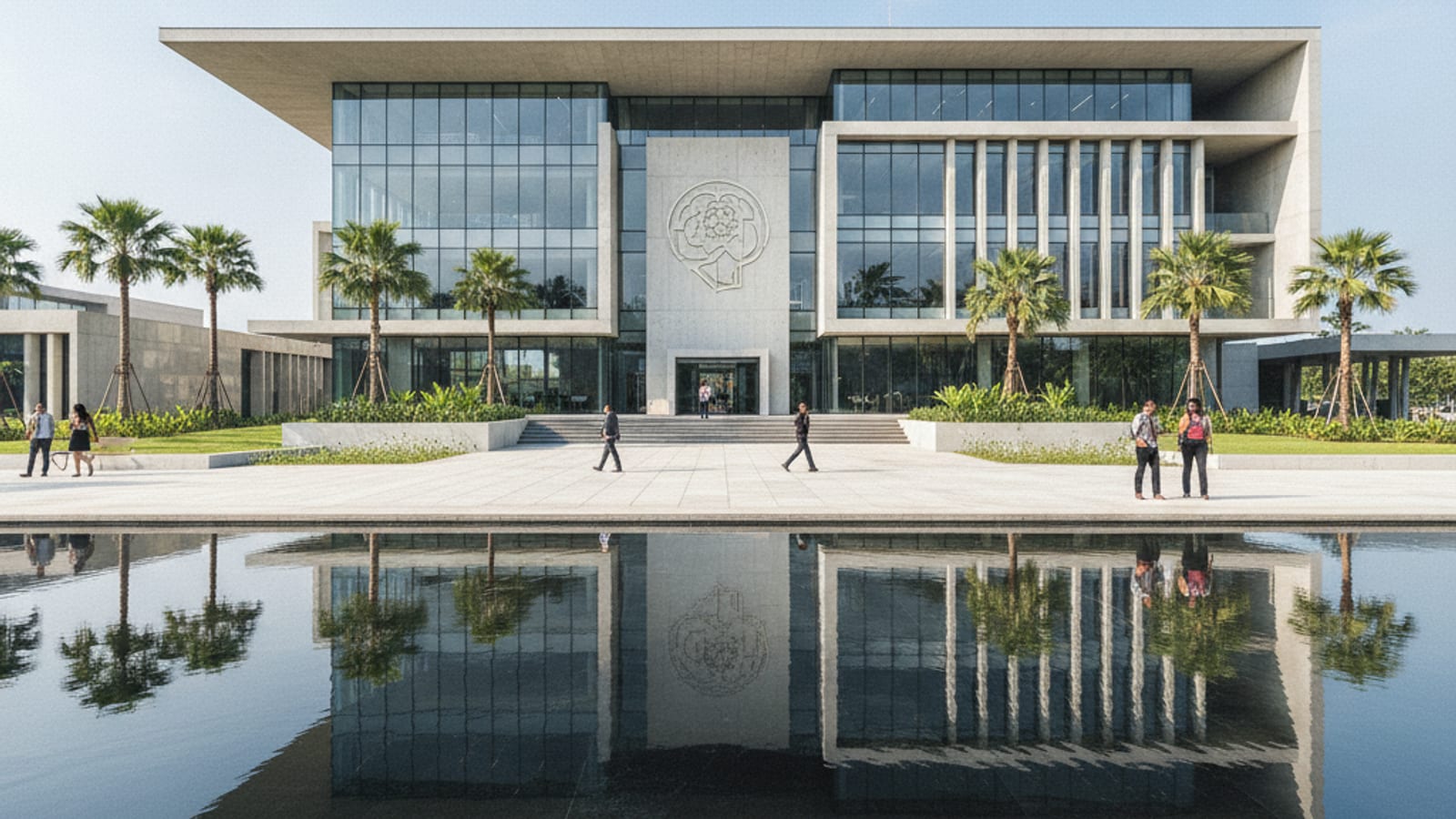
As reported by the Seoul Economic Daily, Korea is set to assist Timor-Leste in establishing an Intellectual Property (IP) Office. This development marks a significant step towards formalising the protection of creative works, innovations, and brands within the nation. For businesses, NGOs, and foreign investors operating in Timor-Leste, this signals a shift towards a more structured environment for intellectual assets, bringing both opportunities and new compliance considerations.
Fostering Innovation and Brand Protection
The establishment of an Intellectual Property Office is a foundational move for any economy looking to encourage innovation and attract investment. For local Timorese businesses, it means having a formal mechanism to protect their unique products, services, and branding. This could include registering trademarks for their brand names and logos, obtaining patents for novel inventions, or securing copyrights for creative works. Such protection can empower local entrepreneurs to invest more confidently in research and development, differentiate themselves in the market, and build valuable brand equity without fear of immediate infringement.
For foreign investors and development partners, a robust IP framework offers greater assurance when bringing proprietary technology, unique methodologies, or established brands into Timor-Leste. It provides a legal basis to safeguard their intellectual assets, which is often a critical factor in investment decisions, particularly in technology-driven sectors or industries where brand recognition is paramount.
Navigating New Compliance and Due Diligence
Once the Intellectual Property Office is established and operational, organisations will need to adapt to a new set of legal and administrative frameworks. This will likely involve understanding processes for registering various forms of IP, managing renewals, and potentially navigating enforcement mechanisms in cases of infringement. Businesses should proactively consider auditing their existing intellectual assets—from software and designs to brand names and unique processes—to identify what can and should be protected under the new system.
This development also has implications for due diligence in business transactions. Mergers, acquisitions, licensing agreements, and even partnerships will require careful checks for existing IP registrations and a thorough understanding of IP ownership. Organisations will need to ensure they have clear policies and procedures for creating, managing, and protecting their intellectual property, potentially requiring legal counsel or specialist advice to ensure full compliance and maximise protection. For NGOs, this could extend to protecting unique program methodologies, educational materials, or community-based innovations.
Broader Economic Impact and Investment Climate
A functioning Intellectual Property Office is a key indicator of a nation’s commitment to modern business standards and the rule of law. It contributes to creating a more predictable and secure business environment, which is attractive to a broader range of international investors. By providing a legal framework for IP protection, Timor-Leste enhances its appeal as a destination for foreign direct investment, particularly in sectors that rely heavily on innovation, design, and brand value, such as technology, manufacturing, and creative industries. This move signals the government’s intent to diversify the economy and integrate more deeply into the global economic landscape.
Organisations operating in Timor-Leste should monitor the progress of this initiative closely. Understanding the new IP landscape will be crucial for protecting their assets, fostering innovation, and ensuring compliance in an evolving regulatory environment.
Source: Korea to Help East Timor Set Up Intellectual Property Office — Seoul Economic Daily
This article is general information, not advice. Rules and rates change and your situation may differ. Talk to us before acting on anything here.