
Timor-Leste and Northern Territory Businesses Forge New Trade Links
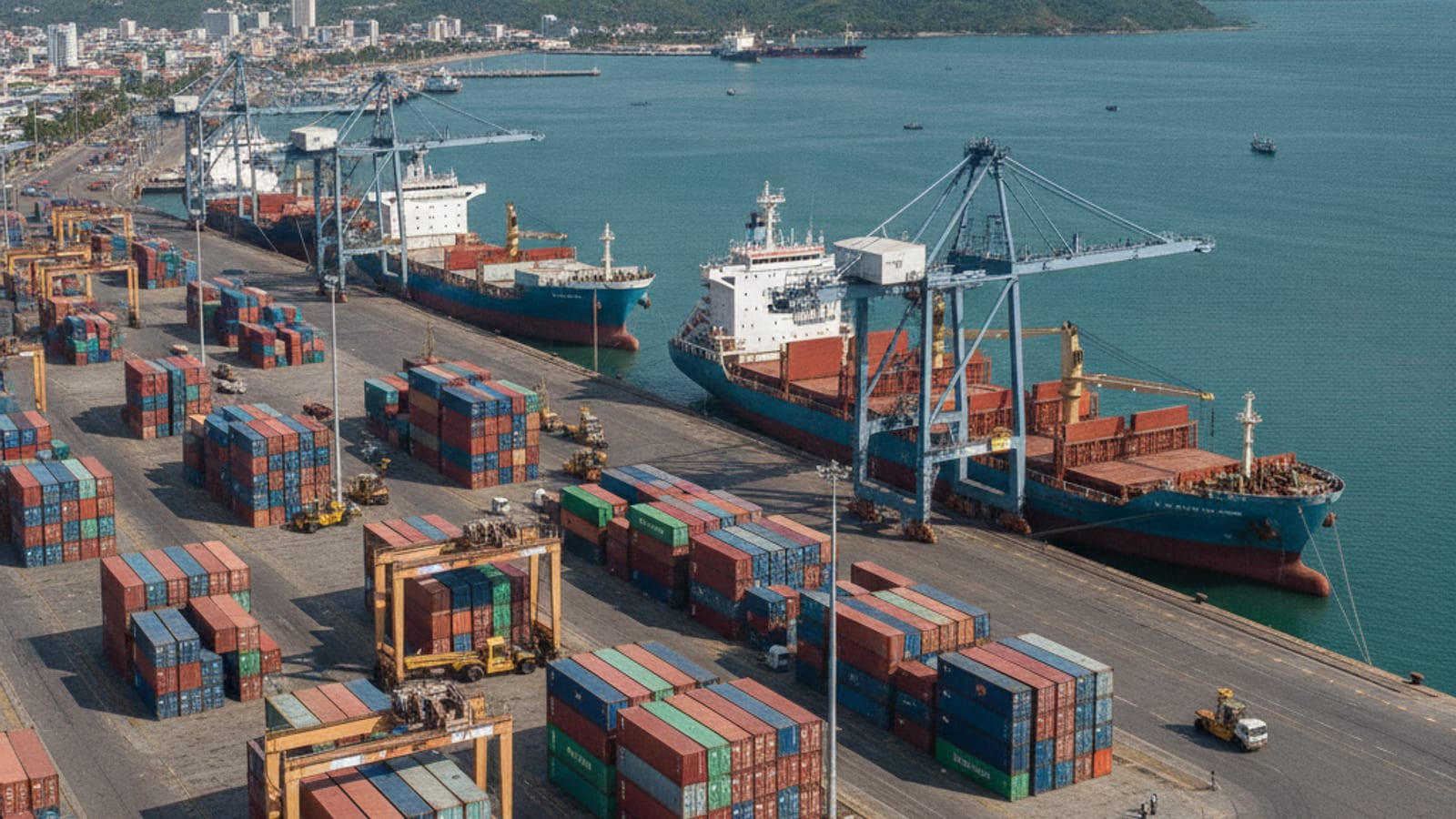
The recent announcement of a landmark trade pact between businesses in Timor-Leste and Australia’s Northern Territory (NT) marks a significant development for the nation’s economic landscape. Described as a “starting point” by the NT News, this agreement opens new avenues for trade, investment, and collaboration, with potential ramifications for a range of sectors operating within Timor-Leste.
Expanding Economic Horizons and Opportunities
This new trade relationship with the Northern Territory presents a notable opportunity for diversification and growth within Timor-Leste’s economy. For local businesses, the pact could mean increased access to the Australian market for Timorese products and services, particularly in areas where Timor-Leste has a competitive advantage, such as agriculture, fisheries, and potentially niche tourism offerings. Conversely, it could facilitate the import of goods and services from the NT, potentially leading to more competitive pricing or access to specialised inputs not readily available domestically. Development partners and NGOs might find new avenues for project collaboration, leveraging expertise and resources from both sides to address local needs. Foreign investors will be watching closely, as strengthened trade ties can signal a more stable and interconnected business environment, potentially attracting further direct investment into the country.
Practical Considerations for Organisations in Timor-Leste
While the pact offers considerable upside, organisations operating in Timor-Leste must prepare for the practical implications of increased cross-border trade. Businesses looking to export will need to ensure their products meet international quality and certification standards, understand Australian import regulations, and navigate customs procedures. This may require investment in improved production processes, quality control, and logistics capabilities. For those dealing with imports, understanding the specific terms of the pact, potential tariff implications (if any are introduced), and ensuring efficient supply chains will be crucial for maintaining cost-effectiveness and timely delivery. All organisations should review their internal capacity for international transactions, including foreign exchange management, payment systems, and contractual agreements with overseas partners. As the details of the pact unfold, staying informed on specific sectorial focuses and regulatory changes will be essential for capitalising on these new trade links effectively.
Source: ‘Starting point’: NT businesses seal landmark Timor trade pact — NT News
This article is general information, not advice. Rules and rates change and your situation may differ. Talk to us before acting on anything here.