
Timor-Leste: Preparing for Potential Food Security Risks from El Niño
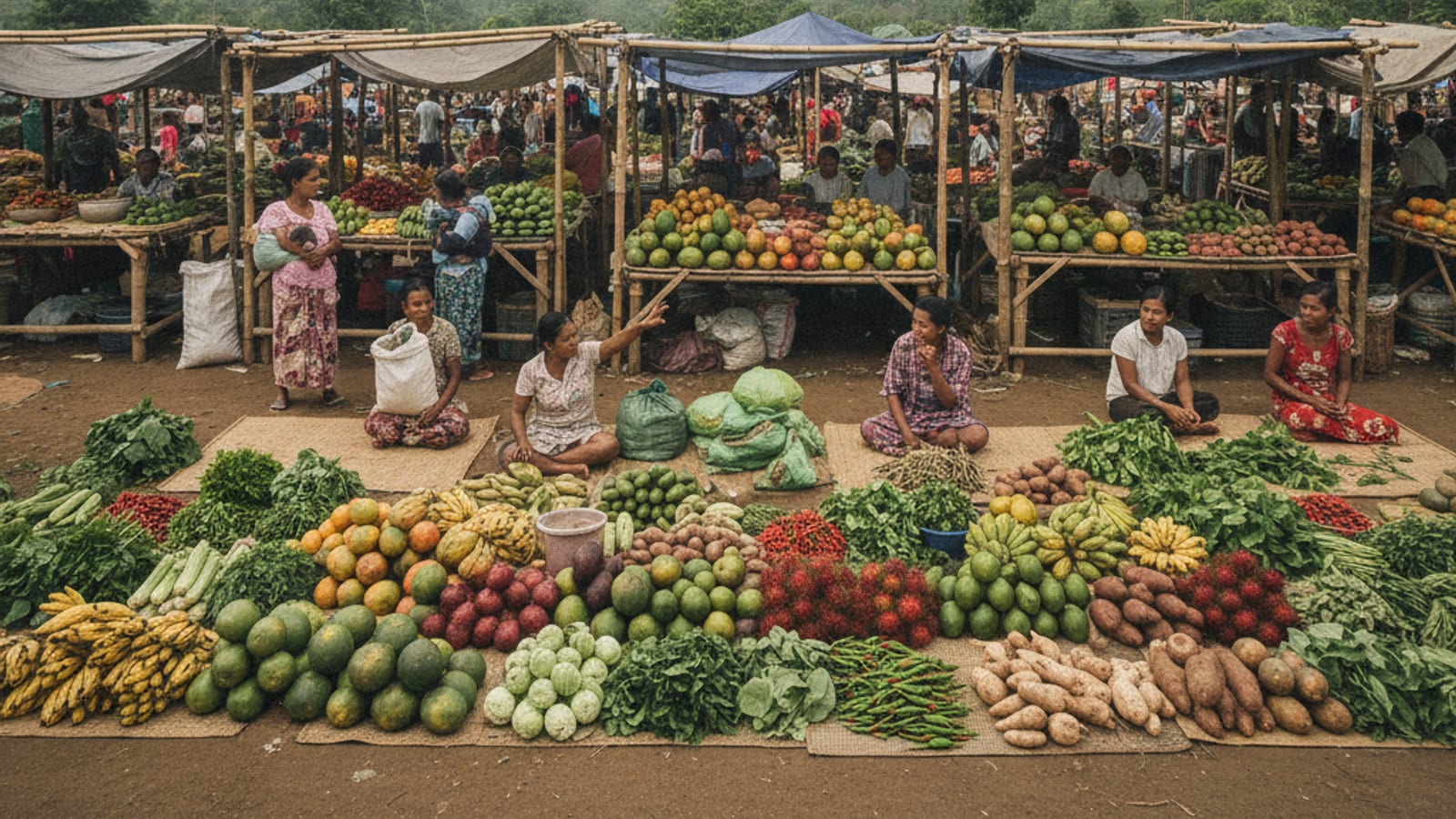
A recent report from ReliefWeb highlights potential food security risks for Timor-Leste stemming from the anticipated 2026/27 El Niño event. While the specific impacts are yet to unfold, this forward-looking assessment serves as an important signal for organisations operating across the nation to consider their preparedness.
El Niño events are typically associated with altered weather patterns, which can significantly affect agricultural production, particularly in regions dependent on rain-fed farming. For Timor-Leste, where a substantial portion of the population relies on agriculture for livelihoods and food, such an event can have widespread consequences that extend beyond the farming sector.
Understanding the Potential for Business and Operational Impact
The most direct impact for businesses and NGOs will likely be felt through supply chains and operating costs. Reduced crop yields due to drought or other weather anomalies can lead to higher prices for staple foods and agricultural products. Organisations involved in hospitality, food service, or those providing meals to staff or beneficiaries may face increased procurement costs. This ripple effect can extend to other sectors as well; for instance, manufacturing or retail businesses relying on locally sourced inputs could see their costs rise. Furthermore, increased reliance on imported food items to cover shortfalls could strain logistics and lead to higher import costs, affecting overall operational budgets.
Beyond direct costs, potential food insecurity can also affect the workforce and broader community demand. When household food budgets are strained, employees may face greater financial pressure, potentially impacting their health, attendance, and productivity. NGOs involved in social development or humanitarian aid may experience increased demand for their services, requiring them to review their resource allocation and operational plans. For businesses targeting local consumers, reduced discretionary income due to higher food prices could lead to a downturn in demand for non-essential goods and services.
Proactive Planning for Resilience
Given the forward-looking nature of this risk assessment, organisations have an opportunity to plan proactively. It is prudent to review existing supply chain vulnerabilities. Can alternative local suppliers be identified? Are there strategies to diversify sourcing to mitigate reliance on single points of failure? For businesses with significant reliance on agricultural inputs, exploring climate-resilient farming practices or supporting local initiatives that promote them could be a longer-term strategy. Financial planning should also consider potential cost increases for food and related logistics. Budgeting for contingencies and reviewing cash flow projections to absorb potential price shocks can enhance an organisation’s resilience.
For NGOs, understanding the potential geographical areas most at risk from El Niño’s effects can inform strategic programming and resource deployment. Collaborating with local communities and government agencies to build early warning systems and strengthen local adaptive capacities can also be vital. While the full extent of the 2026/27 El Niño’s impact remains uncertain, taking steps now to assess and prepare for potential food security challenges will place organisations in Timor-Leste in a stronger position to navigate any disruptions.
Source: Timor-Leste: Food Security Risks from the 2026/27 El Niño (October 2026) — ReliefWeb
This article is general information, not advice. Rules and rates change and your situation may differ. Talk to us before acting on anything here.