
Timor-Leste's Renewable Energy Push: What it Means for Business Operations
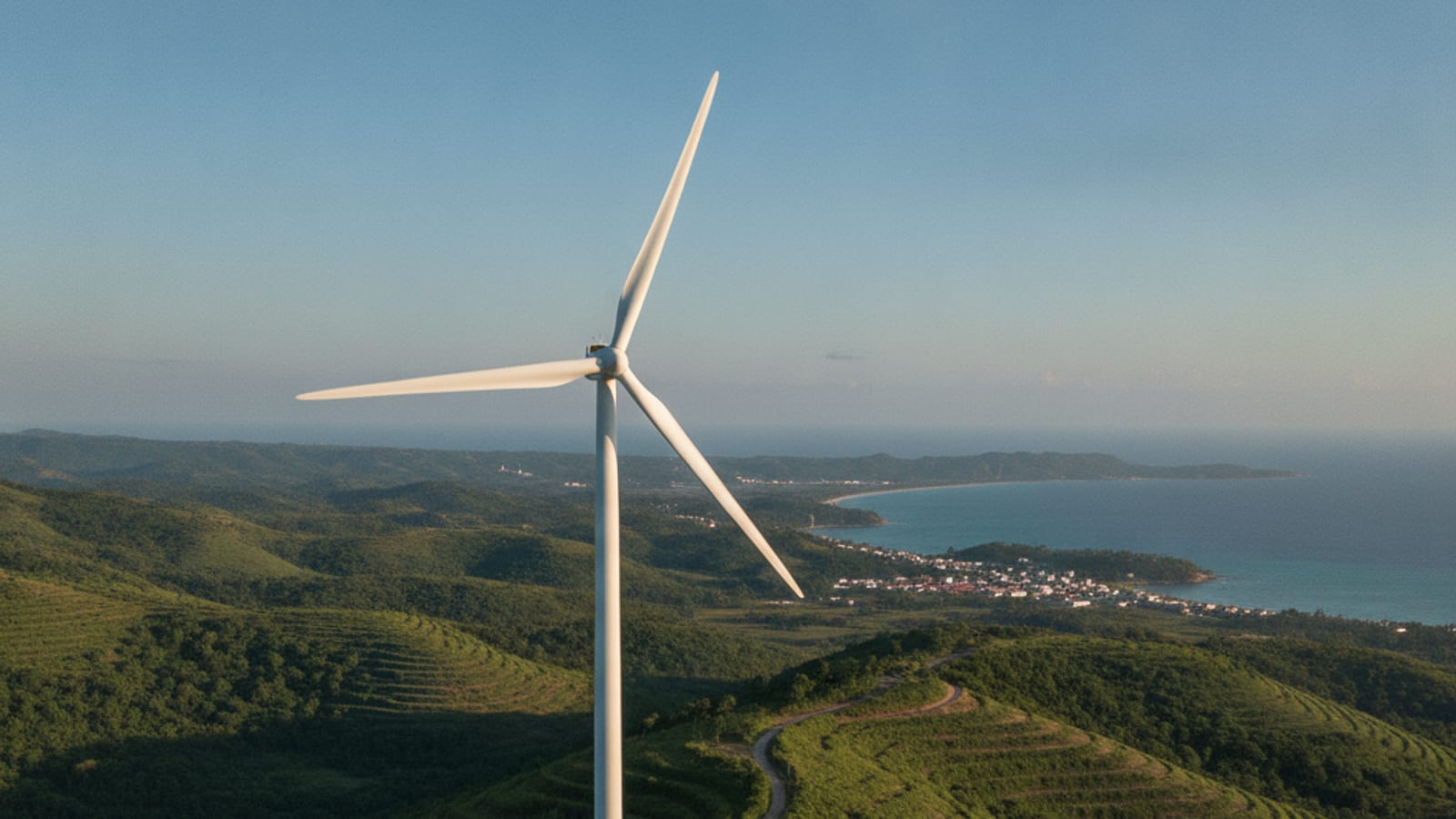
The news that Timor-Leste is advancing its renewable energy plans with the International Finance Corporation (IFC) marks a significant step towards diversifying the nation’s energy mix. This collaboration signals a strategic move away from traditional fossil fuel reliance and towards a more sustainable power future for the country. For businesses, NGOs, and foreign investors operating in Timor-Leste, this development carries important implications for long-term planning and operational strategy.
Enhancing Energy Security and Operational Stability
One of the most immediate practical considerations for any organisation in Timor-Leste is the reliability and cost of electricity. Current energy supply can, at times, present challenges. A successful transition to renewable energy sources, such as wind and solar, holds the potential to significantly enhance the overall energy security of the nation. For businesses, this translates into more stable and predictable power availability, reducing the risk of interruptions that can impact productivity and supply chains.
While the initial investment in renewable energy infrastructure is substantial, the long-term operational costs of generating power from sources like wind and sun are generally lower and less susceptible to the volatile global prices of fossil fuels. Over time, this could lead to more stable and potentially lower electricity tariffs, allowing organisations to better forecast and manage their utility expenses. Furthermore, the development of decentralised renewable solutions – such as mini-grids powered by solar or wind – could extend reliable electricity access to regions beyond Dili, unlocking new economic opportunities and supporting expansion into underserved areas.
Strategic Opportunities and Sustainability Alignment
This national pivot towards renewable energy also creates new avenues for growth and strategic alignment. The development of a renewable energy sector will naturally generate demand for expertise, technology, and services in areas such as project development, installation, maintenance, and energy management. This could foster the growth of local businesses and create new employment opportunities within Timor-Leste.
For foreign investors and development partners, a clear government commitment to sustainable energy, supported by international bodies like the IFC, enhances Timor-Leste’s appeal as an investment destination. Organisations with strong Environmental, Social, and Governance (ESG) mandates may find new and attractive opportunities to contribute to the nation’s development while meeting their own sustainability objectives. Businesses and NGOs should also consider their own energy consumption strategies. Investing in on-site renewable solutions, such as rooftop solar panels, or adopting more energy-efficient practices can not only reduce operational costs but also align with the national sustainability agenda, potentially enhancing their public image and stakeholder relations. Organisations should closely monitor any accompanying policy developments, such as potential incentives or regulatory frameworks that may emerge to support this transition.
Source: Winds of Change: Timor-Leste Advances Renewable Energy Plans with IFC — INDiplomacy
This article is general information, not advice. Rules and rates change and your situation may differ. Talk to us before acting on anything here.