
Timor-Leste's Rice Reserves Strengthen: Implications for Businesses and Food Security
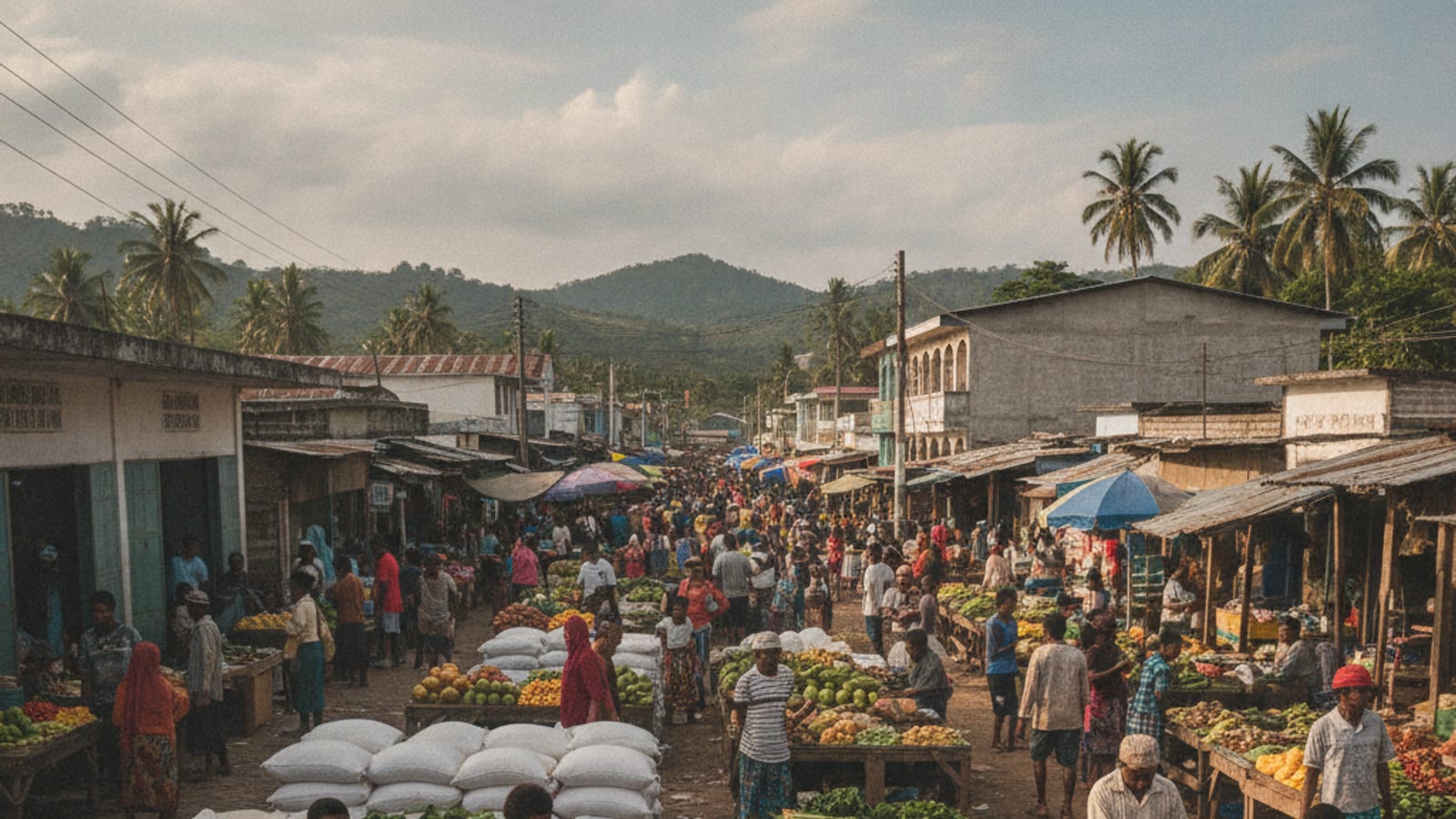
The National Logistics Centre (CLN) recently announced a strategic reserve of over 2,000 tons of rice and 1,700 tons of paddy rice in national warehouses. This move, according to CLN President António de Araújo Soares, is a direct response to global uncertainties, specifically referencing the war in the Middle East, and highlights the government’s commitment to national food security. A recent Rectification Budget further allocated an additional $5 million to CLN to bolster these rice stocks.
Bolstering Food Security and Price Stability
The government’s proactive measure to maintain significant rice reserves, supported by a substantial $5 million budget injection, underscores a clear strategy to ensure food availability and potentially stabilise prices for this staple commodity. For businesses operating in Timor-Leste, particularly those with large workforces, a stable supply and price of rice can have a tangible impact on operational costs and employee welfare.
Predictable food costs can reduce pressure on wages and help maintain a more stable cost of living, which is a positive signal for overall economic stability. This intervention aims to mitigate the impact of external shocks on the domestic market, providing a buffer against potential price volatility that could arise from international supply chain disruptions or global market fluctuations.
Practical Implications for Businesses and Supply Chains
For local farmers and suppliers of paddy rice in municipalities like Bobonaro, Covalima, and Ermera, CLN’s ongoing procurement provides a reliable market for their produce. This consistent demand can encourage agricultural investment and improve income stability within these communities, which is vital for rural economic development. Businesses involved in agricultural inputs or services might see increased activity in these regions.
On the other hand, for private sector food importers and retailers, the CLN’s market intervention, which includes selling 10kg bags of MCAE brand rice for $4.50, establishes a competitive benchmark. While this benefits consumers by ensuring access to affordable rice, it means private businesses must carefully manage their pricing strategies and inventory to remain competitive. Importers should consider the impact of CLN’s buffer stock on overall market demand and pricing power.
An important lesson emerges from CLN’s decision not to purchase other organic products like beans or mung beans due to past spoilage. This highlights the critical challenges associated with storing and distributing perishable goods in Timor-Leste. For any business dealing with organic or time-sensitive products, this underscores the absolute necessity of robust supply chain management, appropriate storage facilities, and efficient distribution networks to prevent losses and ensure product quality. This insight is crucial for businesses looking to invest in or expand operations within the agricultural and food sectors beyond rice.
Source: Armazein nasionál Dili iha stock foos tonelada rihun 2-resin — TATOLI
This article is general information, not advice. Rules and rates change and your situation may differ. Talk to us before acting on anything here.