
Timor-Leste's Call to Action on Violence Against Women: Implications for Employers and the Business Climate
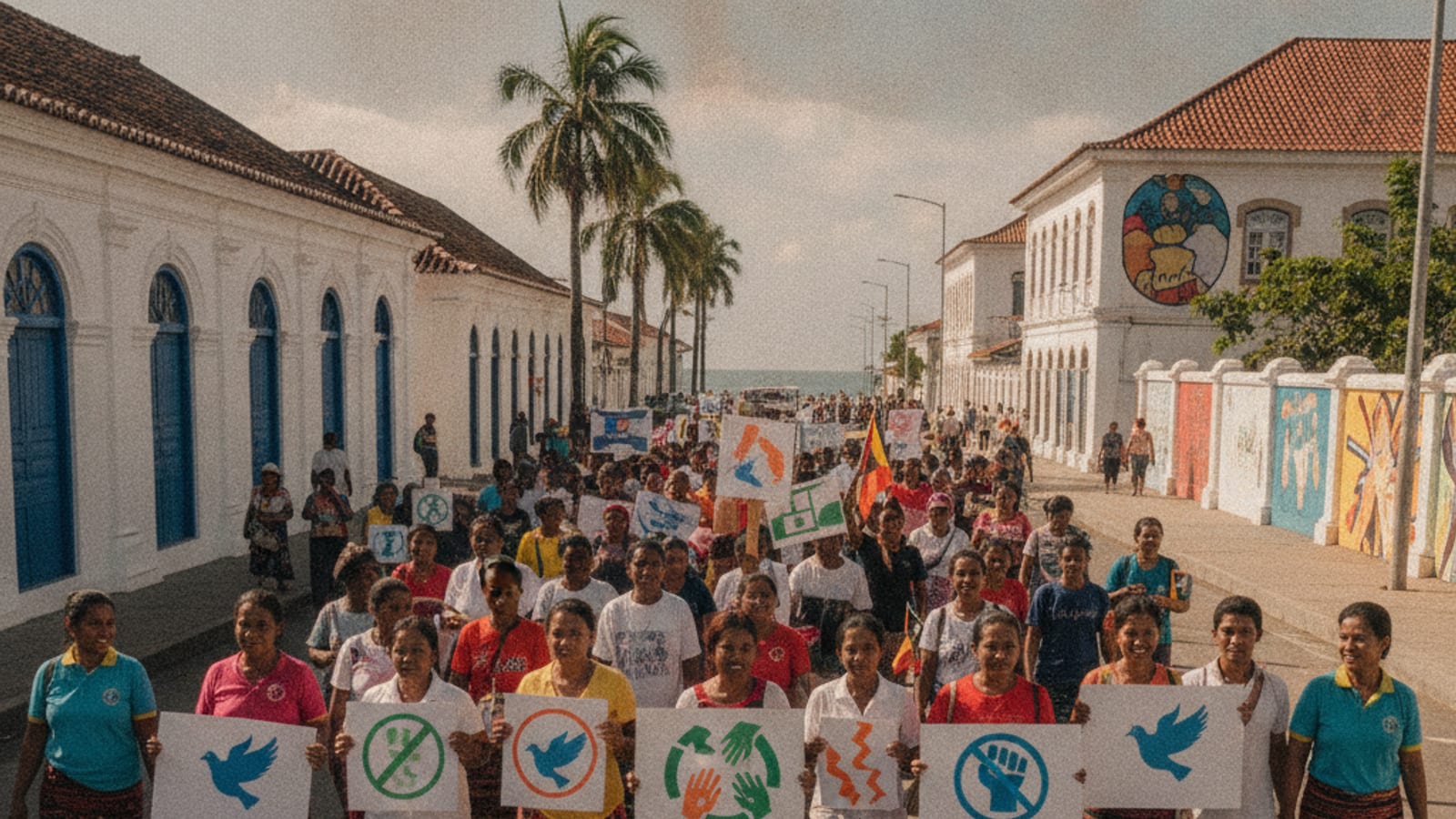
This week, an advocacy movement comprising Rede Feto Timor-Leste, Asisténsia Legál ba Feto no Labarik Feto (ALFeLa), and Fokupers organised a public march in Dili, calling for an end to violence against women. This demonstration, which included a petition to competent authorities, was prompted by recent tragic events, including an aggravated homicide case on November 18, according to TATOLI.
The widespread public concern and the organised advocacy efforts underscore a critical social issue in Timor-Leste. For businesses, NGOs, and investors operating here, such developments are not just social news; they carry tangible implications for operations, workforce management, and the overall business environment.
The Ripple Effect on Your Workforce
Violence in the community, particularly against women, has a profound impact that extends directly into the workplace. When employees, or their family members, experience or witness violence, it inevitably affects their well-being, safety, and ability to perform. Issues such as increased stress, trauma, and fear can lead to higher absenteeism, reduced concentration, and lower productivity. For female employees, these concerns can be particularly acute, potentially hindering their participation, advancement, and overall sense of security in both their personal and professional lives.
Organisations have a duty of care to their employees. This extends beyond the physical confines of the office to acknowledging the broader societal context in which their team members live. A supportive workplace culture that recognises and responds to these challenges is essential. This might involve reviewing internal support mechanisms, promoting mental health awareness, or providing confidential resources for employees affected by violence, even if the incidents occur outside working hours.
Social Stability and the Operating Environment
The advocacy movement’s call for urgent measures from authorities and its submission of a petition signal a demand for stronger governance and more effective enforcement of laws. For any organisation considering long-term investment or operation in Timor-Leste, social stability, a predictable legal environment, and effective rule of law are foundational elements. Public protests and widespread calls for justice, as noted by Zélia Fernandes, President of Rede Feto, reflect underlying challenges in ensuring citizen safety and upholding social cohesion.
When a representative of the advocacy movement, Bella Galhos, highlights a societal
Source: Aban, movimentu advokasia realiza marsa hodi fanu sosiedade hapara violénsia kontra feto — TATOLI
This article is general information, not advice. Rules and rates change and your situation may differ. Talk to us before acting on anything here.