
Timor-Leste's Dry Season Challenges: Operational Impacts Beyond Agriculture
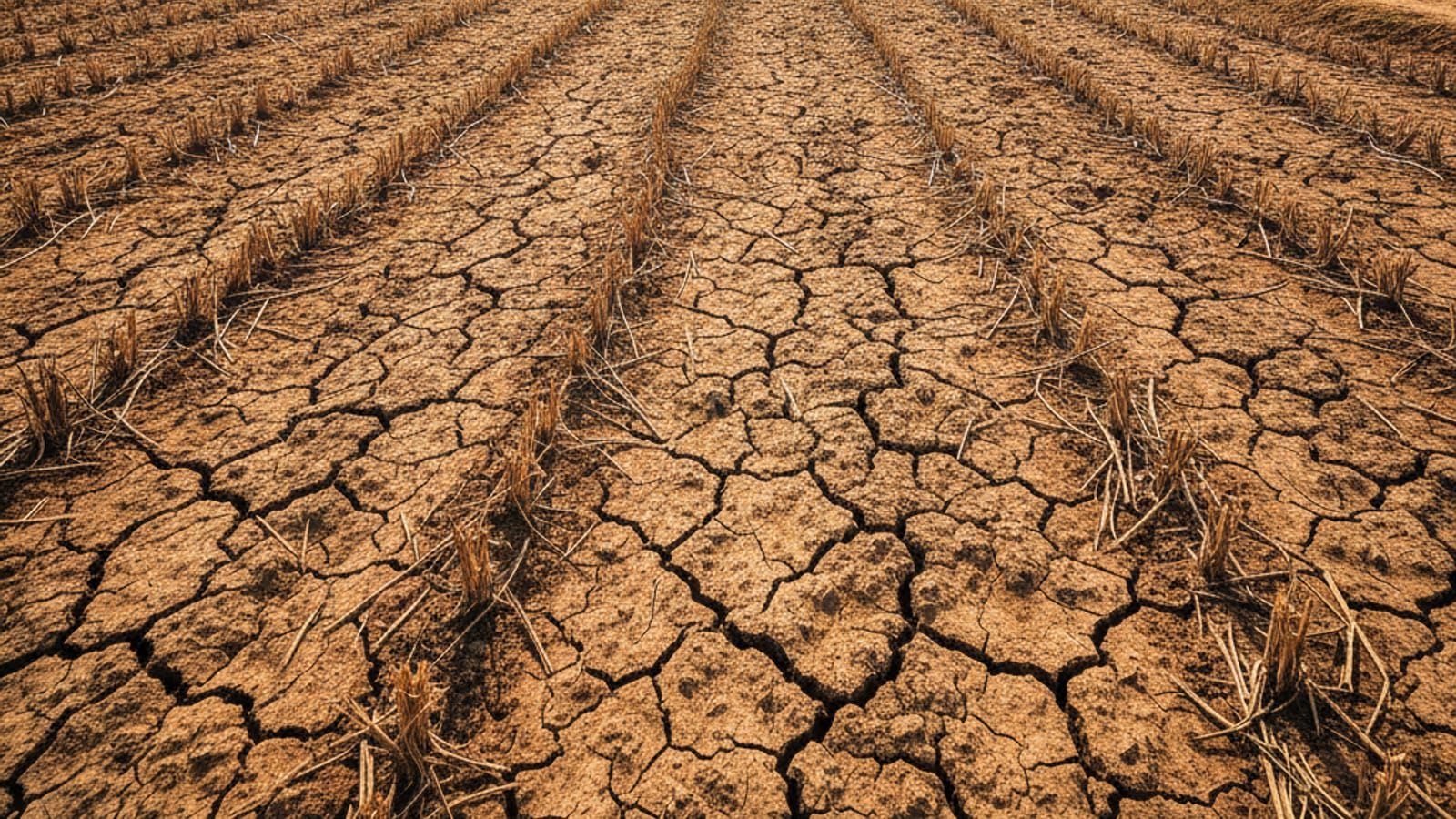
The recent report from TATOLI detailing water and food shortages in Suku Bahatata, Viqueque, due to a prolonged dry season, serves as a stark reminder of the environmental challenges facing communities in Timor-Leste. According to Suku Chief Patrício Maria Pinto, residents are struggling with dried-up water sources, forcing them to walk over a kilometer for clean water, while local food products like sweet potatoes and cassava are scarce. This situation, attributed to the impact of El Niño, extends beyond local hardships to present broader implications for businesses, NGOs, and development partners operating across the country.
Workforce Stability and Community Welfare
For any organisation with a presence or workforce in rural areas, or those relying on labour from such communities, issues of water and food security directly translate into operational risks. When communities face such basic necessities, it inevitably impacts employee health, morale, and attendance. Employees who spend significant time fetching water or are undernourished are less likely to be productive. Organisations must consider the potential for increased absenteeism, reduced efficiency, and even a higher turnover rate as individuals seek better conditions.
Furthermore, for NGOs and development partners, these reports underscore the critical need for robust community engagement and support strategies. The request by Suku Chief Patrício Maria Pinto to President Ramos-Horta for emergency food aid for 102 elderly and 23 disabled residents in Bahatata highlights the immediate humanitarian needs. Organisations involved in social programmes or aid distribution may see increased demand for their services and need to assess their capacity to respond to such crises, potentially adjusting budgets and operational plans to include emergency relief or resilience-building initiatives.
Supply Chain Vulnerability and Long-Term Planning
The scarcity of local food products like sweet potatoes and cassava in Viqueque points to a broader vulnerability in Timor-Leste’s agricultural supply chains. Businesses that source ingredients, raw materials, or even catering supplies locally could face disruptions, price increases, or quality issues during prolonged dry spells. This necessitates a review of supply chain resilience:
- Diversification: Are there alternative suppliers or sourcing regions that can mitigate risks?
- Storage and Logistics: Can critical supplies be stored for longer durations, or are logistics robust enough to bring in goods from further afield if local production fails?
- Cost Implications: Increased reliance on imports or longer transport distances will inevitably drive up operational costs. Organisations should factor these potential increases into their budgeting and financial forecasting.
Beyond immediate concerns, this situation serves as a signal for long-term strategic planning. Climate change impacts, such as more frequent or severe El Niño events, mean that water management and agricultural resilience will become increasingly critical. Foreign investors and development partners considering projects in Timor-Leste should incorporate comprehensive environmental impact assessments and climate risk analyses into their feasibility studies. This includes evaluating water availability for industrial use, agricultural output for food processing, and the overall environmental stability of their proposed operating locations. Proactive engagement with local communities and authorities on sustainable practices can also build goodwill and long-term operational stability.
Organisations operating in Timor-Leste should view these localized reports as indicators of broader challenges that require strategic consideration. Assessing internal resilience, supporting employee welfare, and reviewing supply chain vulnerabilities are crucial steps to navigate the impacts of a changing climate.
Source: Abitante Suku Bahatata Vikeke enfrenta menus bee-moos no ai-han — TATOLI
This article is general information, not advice. Rules and rates change and your situation may differ. Talk to us before acting on anything here.