
Timor-Leste's Ichthyosaur Discovery: A Prehistoric Path to Modern Tourism and Development
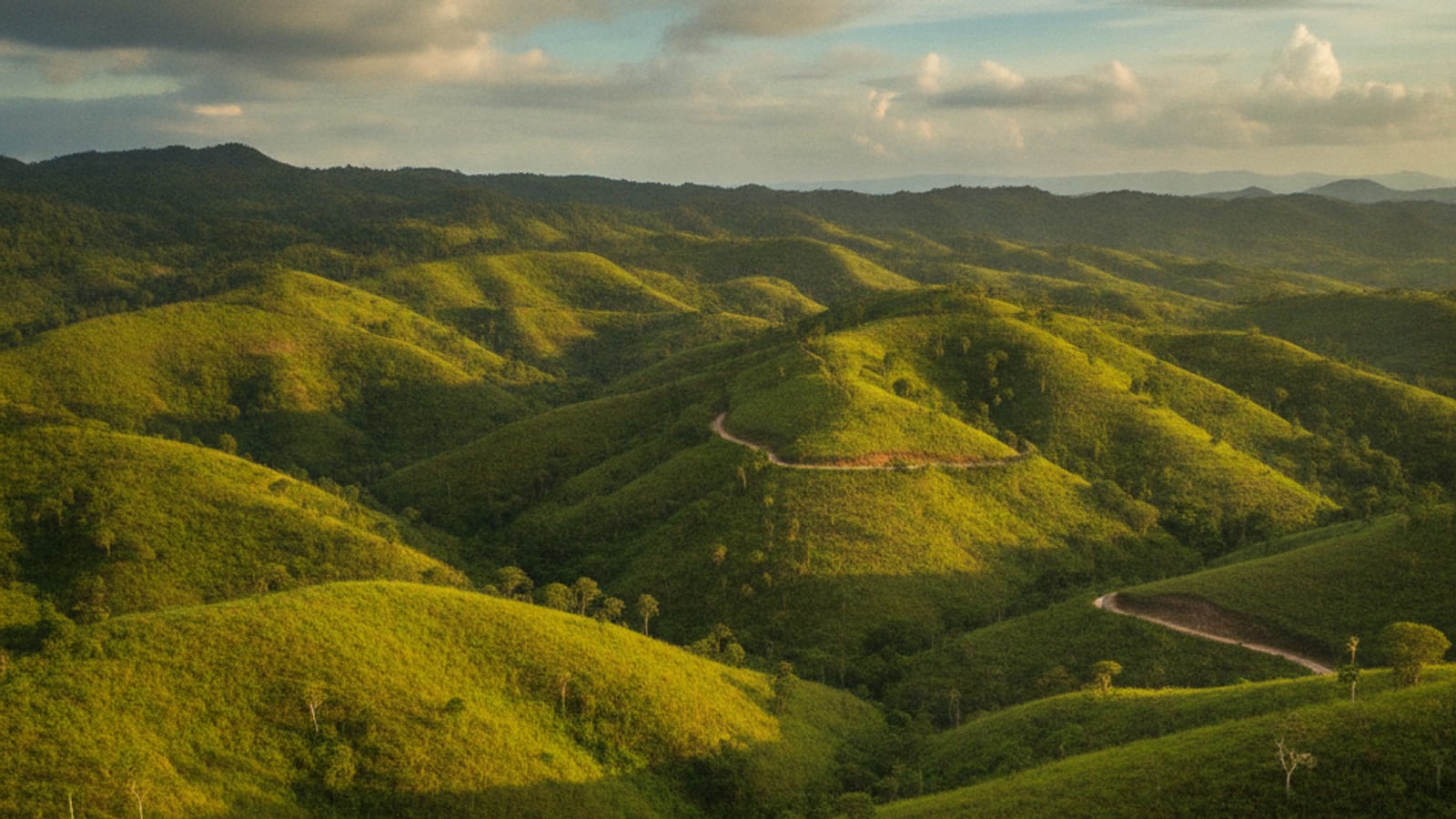
Prime Minister Kay Rala Xanana Gusmão recently visited the site of a significant paleontological discovery in Foho Lesululi, Kailaku, Bobonaru: the fossil of an Ichthyosaur, a marine reptile from 240 million years ago. This rare find, unearthed by the Institute of Geosciences of Timor-Leste (IGTL), is now being studied in collaboration with international universities and has already attracted the attention of the BBC for a documentary. Crucially, the site is being assessed for potential inscription as a UNESCO Global Geopark, a development that could open new economic avenues for Timor-Leste.
A New Horizon for Tourism and Local Economy
The Ichthyosaur discovery, particularly its unique status as the first found in the Southern Hemisphere according to IGTL President Job Brites dos Santos, presents a compelling hook for a niche segment of global tourism: geo-tourism and scientific tourism. As stated by the Global Geoparks Network (GGN) President, Prof. Artur Sá, Timor-Leste has strong potential to become a UNESCO Global Geopark candidate. This designation is not merely an academic honour; it is a proven driver of economic activity. The article highlights that 251 geoparks in 51 nations attracted 500 million visitors last year. Even a modest share, such as two percent of these visitors, could generate substantial income for local communities and significantly boost local economic growth and sustainable development in Timor-Leste.
For businesses, this signals an emerging market for specialised tourism services. This includes opportunities for local tour operators, accommodation providers, and hospitality businesses in the Bobonaru region and along travel routes. There will be increased demand for skilled guides, transport services, and potentially the development of new cultural or educational experiences linked to the geopark. Investors should consider the long-term potential of developing eco-friendly lodges, visitor centres, and support services that cater to this specific demographic of scientifically-minded tourists, contributing directly to the local economy and supporting sustainable practices.
Infrastructure Development and Investment Opportunities
The Prime Minister’s visit underscored the practical requirements for capitalising on this discovery. He emphasised the critical need for basic conditions such as electricity, roads, and security to support the site’s development and accessibility. The President of the Bobonaru Municipal Authority, Paulo Moniz, also committed to developing the area for tourism, highlighting the anticipated positive impact on local communities.
This focus on foundational infrastructure creates tangible opportunities for businesses in the construction, energy, and security sectors. Organisations involved in road building, power generation and distribution, and security services should monitor government tenders and investment plans for the Bobonaru region. Furthermore, improved infrastructure will not only benefit the geopark but also enhance connectivity and reduce logistical costs for other businesses operating in the wider Bobonaru municipality. For foreign investors, the government’s visible commitment to developing non-oil and gas sectors, particularly through initiatives like this, indicates a diversifying economic landscape and potential for public-private partnerships in infrastructure and tourism development.
Organisations looking to engage in this emerging sector should begin by understanding the specific needs of scientific and eco-tourists, assessing the existing infrastructure gaps, and exploring potential collaborations with local communities and government bodies like IGTL and the Bobonaru Municipal Authority. Developing a proactive strategy that aligns with the principles of sustainable development will be key to success in this exciting new chapter for Timor-Leste.
Source: Xanana hala’o vizita-haree direta Fósil Iktosauru iha Foho Lesululi Kailaku — TATOLI
This article is general information, not advice. Rules and rates change and your situation may differ. Talk to us before acting on anything here.