
Timor-Leste's Push for Cross-Border Digital Payments: What it Means for Businesses
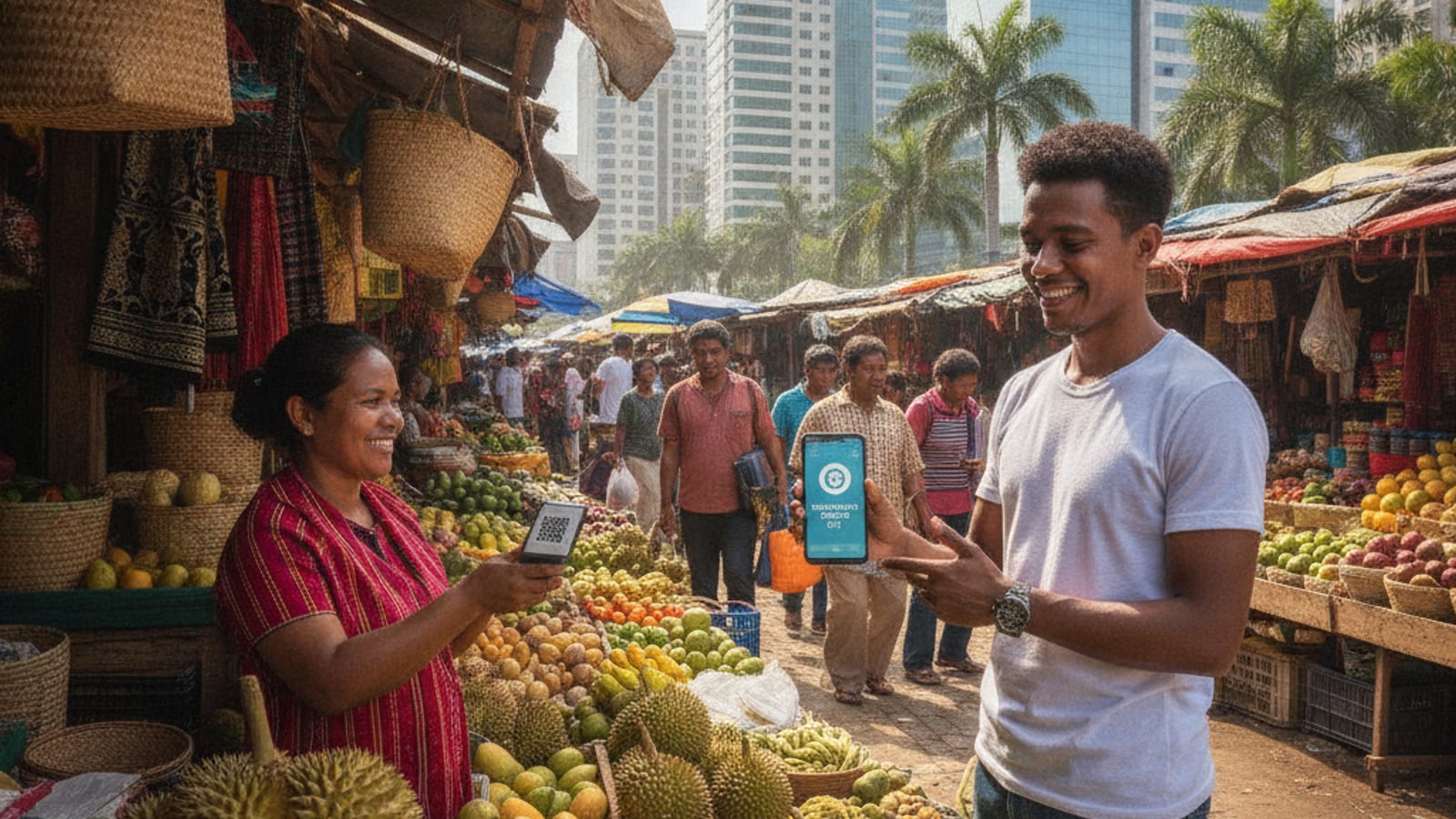
The Central Bank of Timor-Leste (BCTL) is actively promoting stronger integration of cross-border digital payment systems across the Pacific region. Speaking at the 41st South Pacific Central Bank Governors’ Meeting in Dili, BCTL Governor Hélder Lopes highlighted this as a key opportunity to accelerate financial transactions, reduce remittance costs, and expand access to formal financial services.
Enhancing Efficiency and Reducing Costs for Operations
The BCTL’s focus on digital payment connectivity, building on national initiatives like T-FAST (fast payment system) and TUQR (national QR code standard), signals a clear direction for Timor-Leste’s financial landscape. For businesses, NGOs, and foreign investors operating here, this push towards more efficient cross-border payments has tangible implications. Currently, international transfers can be slow and incur significant fees. An integrated system, as envisioned by BCTL, could mean faster settlement times for payments to international suppliers, partners, or employees, reducing working capital cycles and improving cash flow management.
Furthermore, the reduction in remittance costs – a stated goal, especially given that remittances contribute over 10% to Timor-Leste’s GDP according to the BCTL Governor – could have a broader economic impact. Cheaper and faster transfers from overseas workers to their families in Timor-Leste could boost local consumption and provide more stability for recipient households. This, in turn, can indirectly benefit businesses through increased local demand. Organisations should begin to assess their current international payment methods and monitor developments from BCTL and regional partners to prepare for potential shifts in transaction processing and costs.
Navigating Digital Risks and Regulatory Evolution
While the benefits of digital transformation are clear, the BCTL Governor appropriately cautioned that the development of digital financial services must be balanced with robust cybersecurity, consumer protection, governance, and financial sector oversight. This is a critical point for any organisation engaging with digital payment systems. As transaction volumes move online and across borders, the risk of fraud, data breaches, and system vulnerabilities increases.
Businesses and NGOs must ensure their internal controls are adequate for managing digital transactions, including robust cybersecurity protocols, employee training on digital payment security, and clear policies for approving and executing payments. The BCTL’s emphasis on strengthening these areas suggests that regulatory frameworks around digital finance will continue to evolve. Organisations should stay informed about any new guidelines or requirements from BCTL regarding digital payment security and data protection, ensuring their compliance frameworks are up-to-date to mitigate both financial and reputational risks. The ongoing collaboration with other Pacific nations, such as Fiji, on interoperability also suggests a future where regional standards might emerge, requiring proactive engagement from financial stakeholders.
This article is general information, not advice. Rules and rates change and your situation may differ. Talk to us before acting on anything here.