
Timor-Leste's Renewed Focus on Irrigation: Implications for Agriculture and Business
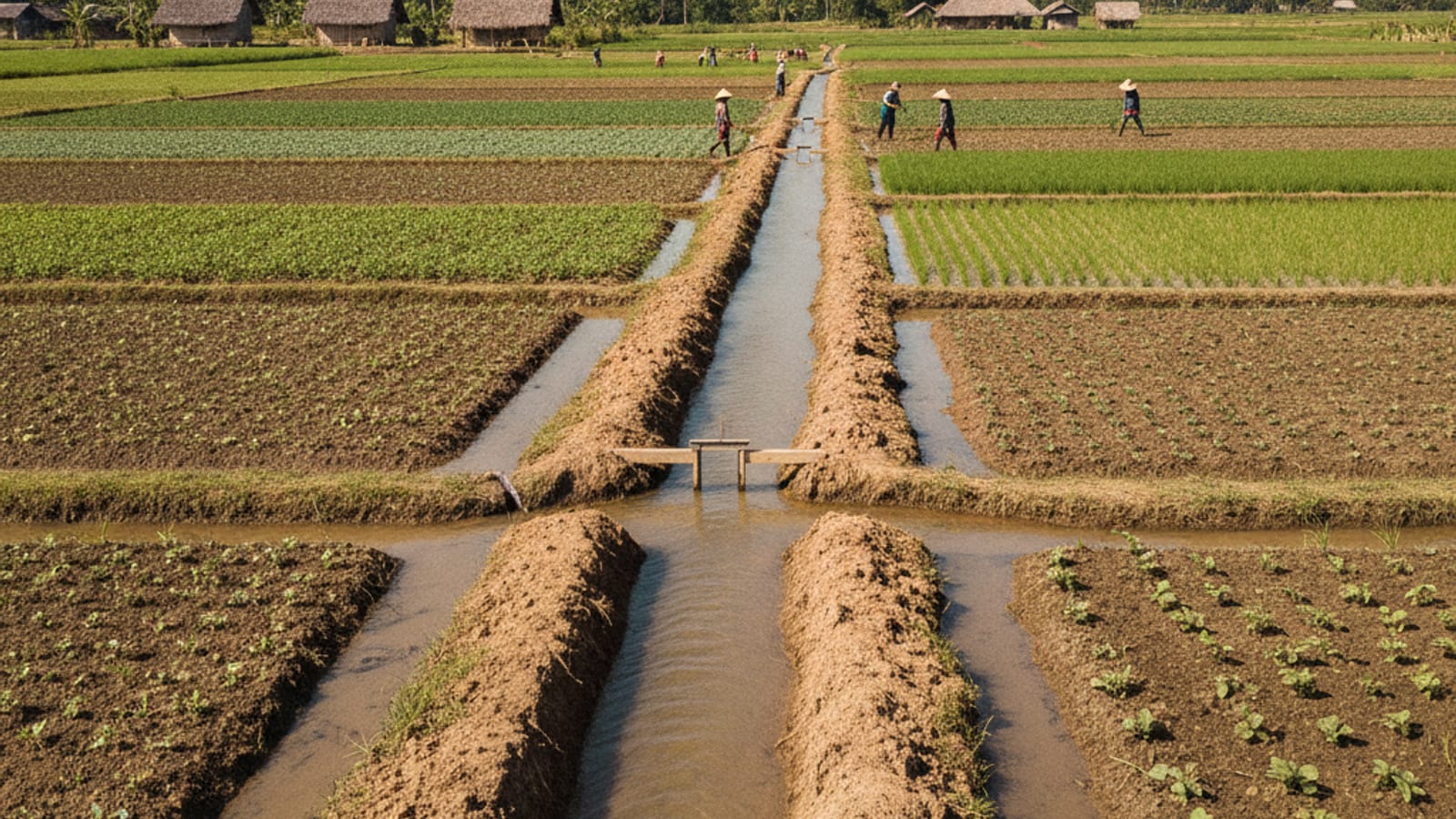
The Ministry of Agriculture, Livestock, Fisheries and Forestry (MAPPF) has announced a significant commitment to developing irrigation infrastructure in 2027, with an allocated budget exceeding $45 million, as reported by TATOLI. This substantial investment, combining the Ministry’s direct budget and funds from the Infrastructure Fund, underscores the government’s strategic intent to enhance agricultural output and bolster domestic food security. For organisations operating in Timor-Leste, this renewed focus signals both direct and indirect opportunities and changes in the economic landscape.
Boosting Local Production and Market Dynamics
The MAPPF’s push for improved irrigation systems is a critical step towards increasing the volume and reliability of agricultural produce within Timor-Leste. Minister Marcos da Cruz highlighted that while budget allocation is key, the functioning of basic infrastructure, like irrigation, is paramount. This investment is intended to address the current shortfall in irrigation capacity, which has limited farmers’ ability to meet demand. The inauguration of new irrigation systems, such as Laivai in Lautein and Galata in Baucau, indicates tangible progress.
For businesses, particularly those in the food processing, hospitality, and retail sectors, increased local production could lead to a more stable and potentially cost-effective supply chain. A reduction in reliance on imported agricultural goods could mitigate risks associated with international supply fluctuations and currency volatility. Organisations should assess their current sourcing strategies and explore opportunities to integrate more local produce, which can also resonate positively with local consumers and contribute to national economic resilience.
Opportunities for the Private Sector and Investors
Minister da Cruz explicitly stated the need to involve the private sector to uplift agricultural production. This opens several avenues for businesses and investors. Firstly, the emphasis on technology, including the use of tractors for tilling, planting, and harvesting (with 290 currently in use by farmers), suggests a growing market for agricultural machinery, spare parts, and maintenance services. Companies specialising in these areas, or those considering expanding into them, could find fertile ground.
Secondly, the expected operationalisation of the National Development Bank of Timor-Leste (BNDTL) in 2027 to facilitate farmer access to financing is a pivotal development. This bank could empower more farmers to invest in their operations, adopt new technologies, and expand their productive capacity. Businesses that can partner with or supply these newly empowered farmers, or those that can offer advisory services on financial management and business planning to agricultural enterprises, may find significant demand. Furthermore, larger investors might explore opportunities in scaling up agricultural enterprises, developing cold chain logistics, or investing in food processing facilities to leverage the anticipated increase in raw material availability.
Source: MAPPF kontinua foku ba irrigasaun hodi hasa’e produsaun agríkola — TATOLI
This article is general information, not advice. Rules and rates change and your situation may differ. Talk to us before acting on anything here.