
Unlocking Potential: What an ILO Study on Timor-Leste's Vanilla Industry Means for Business
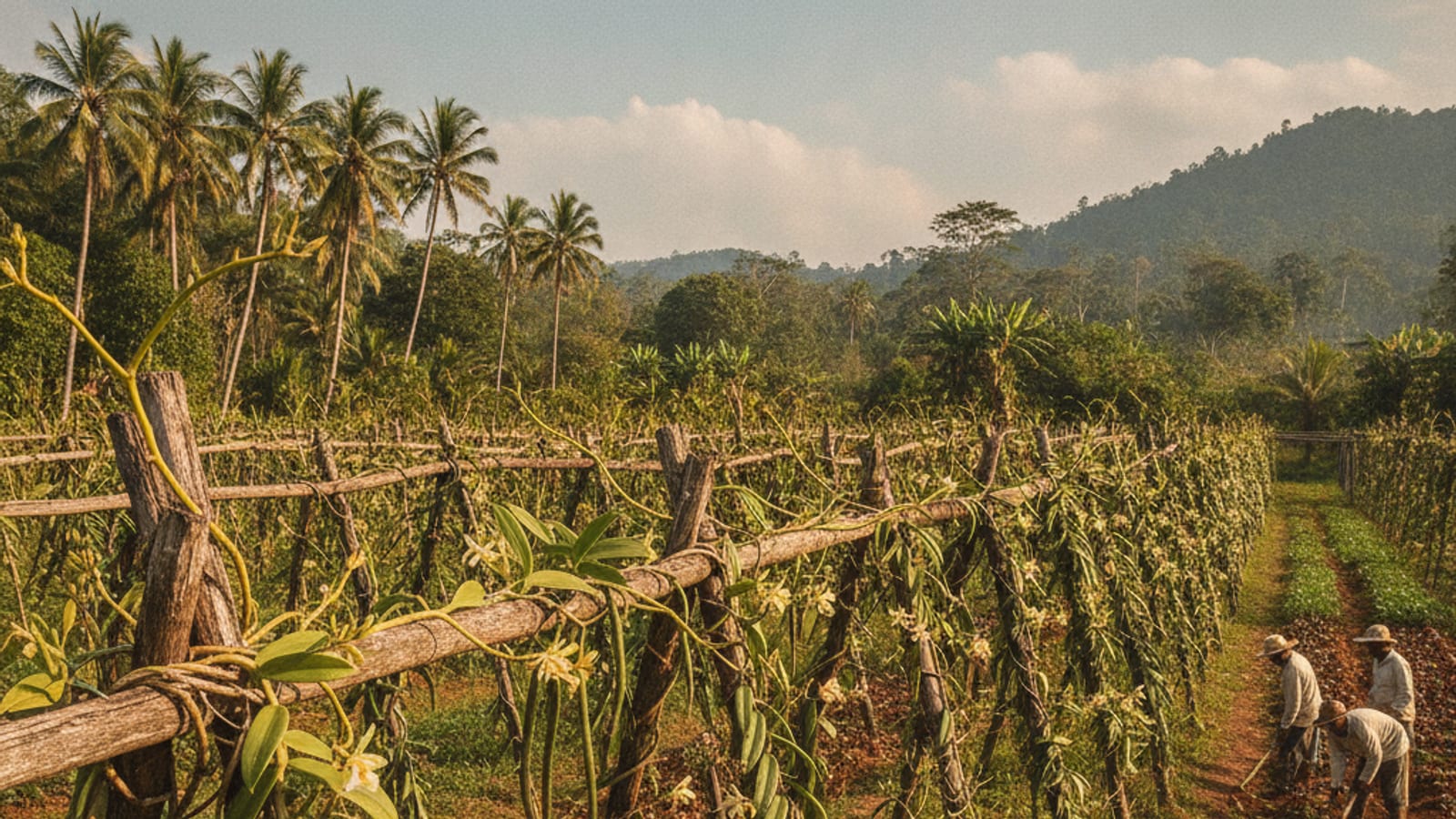
The International Labour Organization (ILO) has published a study outlining a way forward for Timor-Leste’s vanilla industry. This development signals a strategic focus on diversifying the nation’s economy beyond traditional sectors and exploring the potential of high-value agricultural exports. For organisations operating in or considering Timor-Leste, this represents a potential shift in economic priorities and new avenues for growth and investment.
Diversifying the Economy Through High-Value Agriculture
Vanilla is a globally sought-after commodity, known for its significant market value. A dedicated study by the ILO into Timor-Leste’s vanilla industry underscores the government’s and international partners’ interest in developing non-oil and gas sectors. For businesses, this focus on high-value agriculture could mean several things. Firstly, it indicates a commitment to fostering rural economic development, potentially leading to improved infrastructure and support services in vanilla-producing regions. Organisations involved in logistics, agricultural technology, or even microfinance may find new opportunities as the sector matures. Secondly, it suggests a push towards creating sustainable export markets. Businesses with expertise in international trade, quality control, or food processing could explore partnerships or ventures to help Timorese vanilla reach global consumers. This also signals a potential for increased foreign investment in the agricultural sector, as investors look for emerging markets with high-potential niche products.
Opportunities in Employment and the Value Chain
As an ILO study, a core component will naturally be the implications for employment. Developing a robust vanilla industry will require a skilled workforce across the entire value chain, from cultivation and harvesting to processing, packaging, and export. This creates significant opportunities for employment, particularly in rural areas, which could help address unemployment and promote local economic empowerment. Employers should watch for potential government or NGO-led initiatives in vocational training and skill development related to vanilla cultivation and processing. Organisations involved in education, training, or community development could find partners in preparing the workforce for these new roles. Beyond direct employment, the development of the vanilla industry will stimulate demand for auxiliary services. This includes everything from agricultural inputs and equipment suppliers to transport providers, certification bodies, and marketing services. Businesses in these areas should assess how they can align their offerings with the emerging needs of a growing vanilla sector. Monitoring government policy and investment announcements related to agricultural development and export promotion will be crucial for identifying these opportunities early.
This article is general information, not advice. Rules and rates change and your situation may differ. Talk to us before acting on anything here.