
Viqueque's Tractor Initiative: What it Means for Timor-Leste's Agricultural Sector
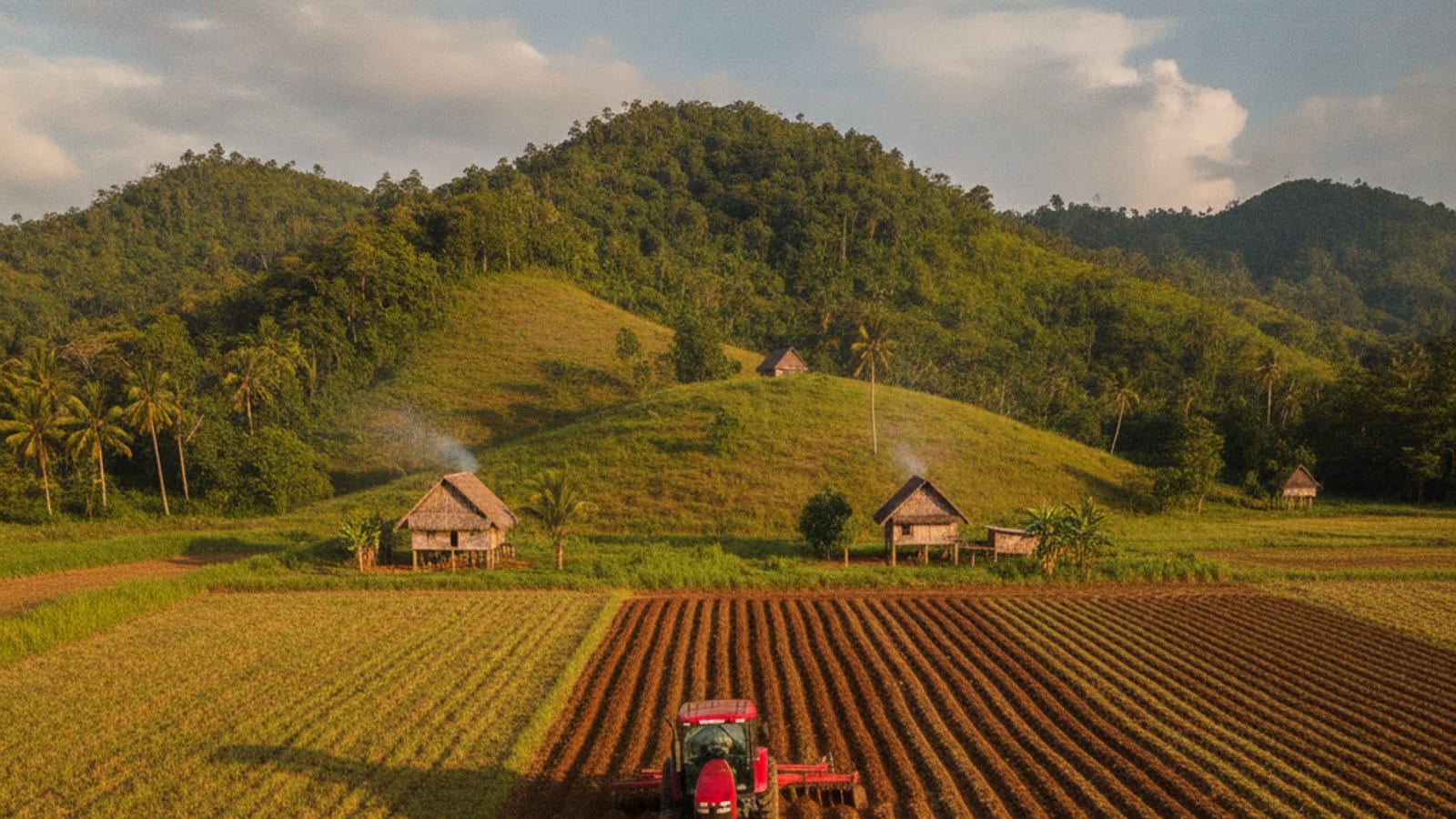
The Ministry of Agriculture, Fisheries, Livestock, and Forestry (SMAPPF) in Viqueque has begun supporting farmers in Uatulari by providing large tractors for land preparation, as reported by TATOLI. This initiative, which includes two large tractors initially allocated to Uatulari and the preparation of three hectares in Samarogo, aims to facilitate planting during the upcoming rainy season, with SMAPPF Viqueque noting it possesses 11 large tractors in good condition (five older, six newer) for such programs. A notable detail is that farmers are currently responsible for purchasing the fuel required to operate these tractors.
Boosting Agricultural Productivity and Local Supply Chains
This government support for mechanised land preparation is a significant development for Timor-Leste’s agricultural sector. By providing access to large tractors, SMAPPF Viqueque is directly addressing a key barrier to productivity: the labour-intensive and time-consuming process of manual land tilling. Increased efficiency in land preparation can lead to larger cultivated areas, timely planting, and potentially higher yields, which are crucial for enhancing food security and reducing reliance on imported produce. For businesses involved in food processing, hospitality, or retail, this could signal a future increase in the availability of locally grown produce. Organisations should monitor these developments, as a more robust local supply chain could offer opportunities for sourcing fresh ingredients domestically, potentially stabilising costs and improving product freshness. The current requirement for farmers to purchase fuel for the tractors highlights a practical aspect of the program. While the asset is provided, the operational cost remains with the farmer, which could influence the extent of uptake and the financial viability for some smallholders. Future support or subsidy for fuel could further amplify the program’s impact.
Implications for Rural Economies and Investment
The ripple effect of improved agricultural output extends beyond the farms. Higher yields and potentially increased income for farmers in areas like Viqueque can stimulate local rural economies. This could lead to greater purchasing power within these communities, creating opportunities for businesses that supply agricultural inputs (seeds, fertilisers, tools), transport produce to markets, or offer other goods and services. For foreign investors and development partners considering agricultural ventures in Timor-Leste, initiatives like this demonstrate a government commitment to the sector. While this specific program focuses on land preparation, it signals a broader intent to support agricultural growth. Investors might look for consistency in such programs, alongside improvements in market access, storage facilities, and post-harvest processing capabilities. NGOs working in rural development can leverage such programs by focusing on complementary areas, such as training farmers in sustainable farming practices, improving market linkages, or developing value-added products to maximise the benefits of increased production.
Source: SMAPPF Vikeke apoia tratór boot ba agrikultór Uatulari hodi fila-rai — TATOLI
This article is general information, not advice. Rules and rates change and your situation may differ. Talk to us before acting on anything here.