
Timor-Leste's First Large-Scale Solar Project: A New Era for Energy and Investment
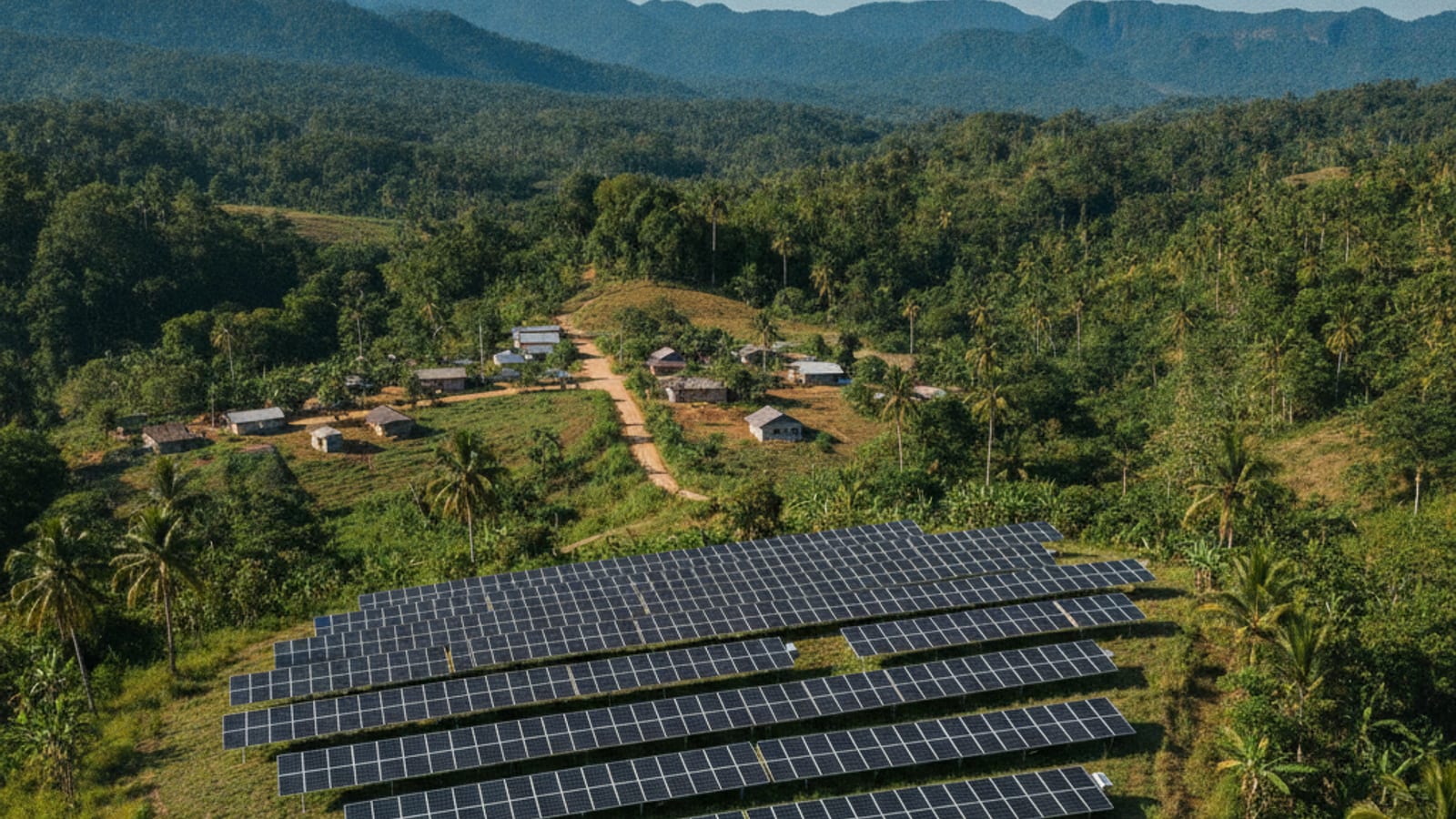
The involvement of international firms like Herbert Smith Freehills Kramer, advising EDF and ITOCHU on what is described as Timor-Leste’s first large-scale solar and battery storage project, marks a significant milestone. This development points towards a strategic shift in the nation’s energy infrastructure and signals a growing maturity in its capacity to attract and manage complex international investments.
This project, while still in its advisory phase according to the news, represents a tangible step towards diversifying Timor-Leste’s energy mix. For organisations operating across various sectors, from manufacturing to hospitality and NGOs, stable and predictable energy supply is a foundational requirement. Historically, reliance on a single energy source can expose businesses to volatility in fuel prices and potential supply disruptions. The introduction of large-scale solar, paired with battery storage, aims to mitigate these risks by providing a more resilient and potentially more cost-effective power solution over the long term.
Enhancing Energy Security and Operational Stability
For businesses and organisations in Timor-Leste, the implications of a large-scale solar and battery storage project are substantial. Improved energy reliability can directly translate into reduced operational downtime, lower costs associated with backup generators, and greater predictability in utility expenses. This stability is crucial for planning and budgeting, enabling organisations to focus resources on core activities rather than managing power inconsistencies. As the project progresses, organisations should monitor its impact on the national grid’s stability and any potential shifts in energy tariffs, which could affect their operating expenditures. This move towards renewable energy also aligns with global sustainability goals, offering a positive brand image for businesses that can demonstrate their commitment to environmentally responsible practices.
Signalling Investment Confidence and Economic Opportunity
Beyond the immediate energy benefits, the involvement of major international players like EDF and ITOCHU in a project of this scale sends a strong signal to the global investment community. It demonstrates that Timor-Leste is increasingly capable of hosting and supporting large, complex infrastructure projects, including those requiring significant foreign direct investment and sophisticated legal and financial structures. This can act as a catalyst, encouraging further investment in other sectors, as investors gain confidence in the regulatory environment and the government’s commitment to facilitating such ventures.
For local businesses and the Timorese workforce, a project of this magnitude will inevitably create opportunities. During the construction phase, there will be demand for local contractors, suppliers, logistics services, and skilled labour. In the long term, the operation and maintenance of the facility will require a trained workforce, fostering skill development and employment. Organisations should prepare to identify and pursue these opportunities, whether through direct participation, supplying ancillary services, or adapting their workforce skills to meet emerging demands in the energy sector. This project sets a precedent for future large-scale developments and could pave the way for a more diversified and robust economy.
This article is general information, not advice. Rules and rates change and your situation may differ. Talk to us before acting on anything here.