
Timor-Leste's 2027 State Budget Debate: What Delays Signal for Business Planning
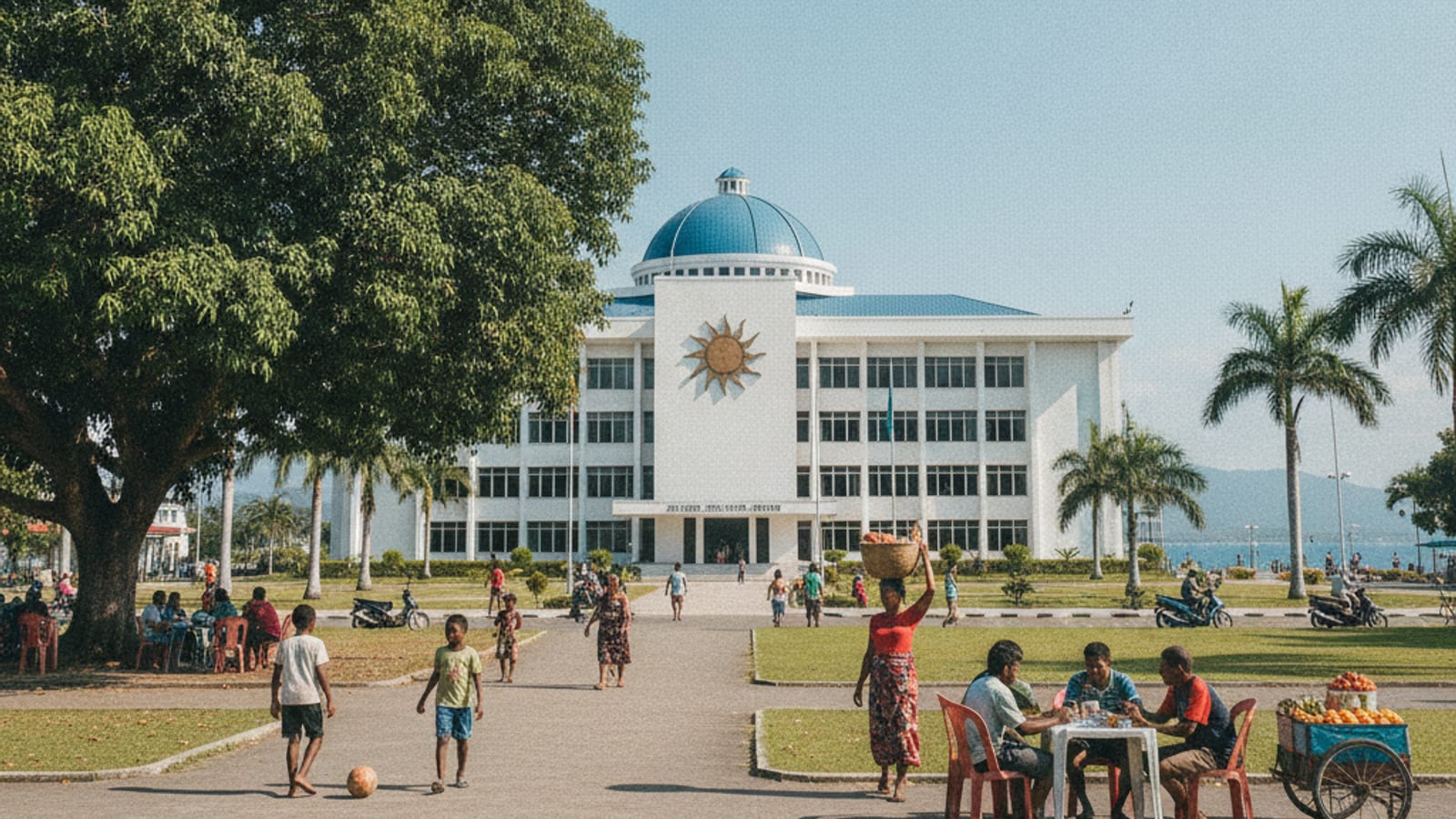
Timor-Leste’s National Parliament recently announced a one-day postponement of the specialty debate for the 2027 State Budget (OJE 2027), shifting it from November 24th to November 25th. According to TATOLI, the delay was attributed to the National Parliament President’s return from an international assembly and scheduling conflicts for the Prime Minister. While a single-day delay might seem minor, the reasons cited and the broader context of budget approvals in Timor-Leste offer important considerations for businesses, NGOs, and investors.
Implications for Budget Certainty and Operational Planning
The OJE 2027, which was approved in general terms on November 11th with a proposed amount of $2.56 billion, is a critical document. Its timely approval is essential for government operations, public sector projects, and overall economic stability. The President of the National Parliament, Maria Fernanda Lay, noted that in previous years, budget approval has extended as late as December 28th. This historical context, combined with the current delay, suggests that organisations should factor in the possibility of the budget not being fully approved and promulgated precisely at the start of the new fiscal year.
For businesses, this uncertainty can impact several areas. Companies relying on government contracts or tenders may experience delays in project commencement or payment processing if the budget’s finalisation is protracted. NGOs and development partners who receive funding tied to government allocations might also face delays in receiving disbursements. Investors, too, look for clear policy direction and stable financial frameworks, which can be influenced by the budget’s timely passage. It is prudent for organisations to maintain flexible financial planning and cash flow projections for early 2027, anticipating potential lags in government-related activities.
Navigating Legislative Schedules and Public Holidays
Another point raised by the National Parliament President was the oversight of November 27th, Proclamation of Independence Day, as a public holiday in the initial debate schedule. This highlights the importance of meticulously tracking Timor-Leste’s public holiday calendar when planning operational timelines, particularly when interacting with government bodies or when project deadlines are sensitive to legislative processes. Public holidays can impact everything from administrative processing times to the availability of key government officials.
Beyond holidays, the fact that international engagements (like the ASEAN Inter-Parliamentary Assembly) can influence the legislative timetable also underscores the dynamic nature of government operations. Organisations should remain aware of major national and international events involving key government figures, as these can sometimes lead to adjustments in domestic schedules. Proactive communication with government counterparts and a clear understanding of the legislative calendar are crucial for effective planning and execution in Timor-Leste.
Source: Parlamentu Nasionál adia debate espesialidade OJE 2027 ba 25 Novembru — TATOLI
This article is general information, not advice. Rules and rates change and your situation may differ. Talk to us before acting on anything here.