
Navigating the Future: Greater Sunrise and Timor-Leste's Economic Outlook
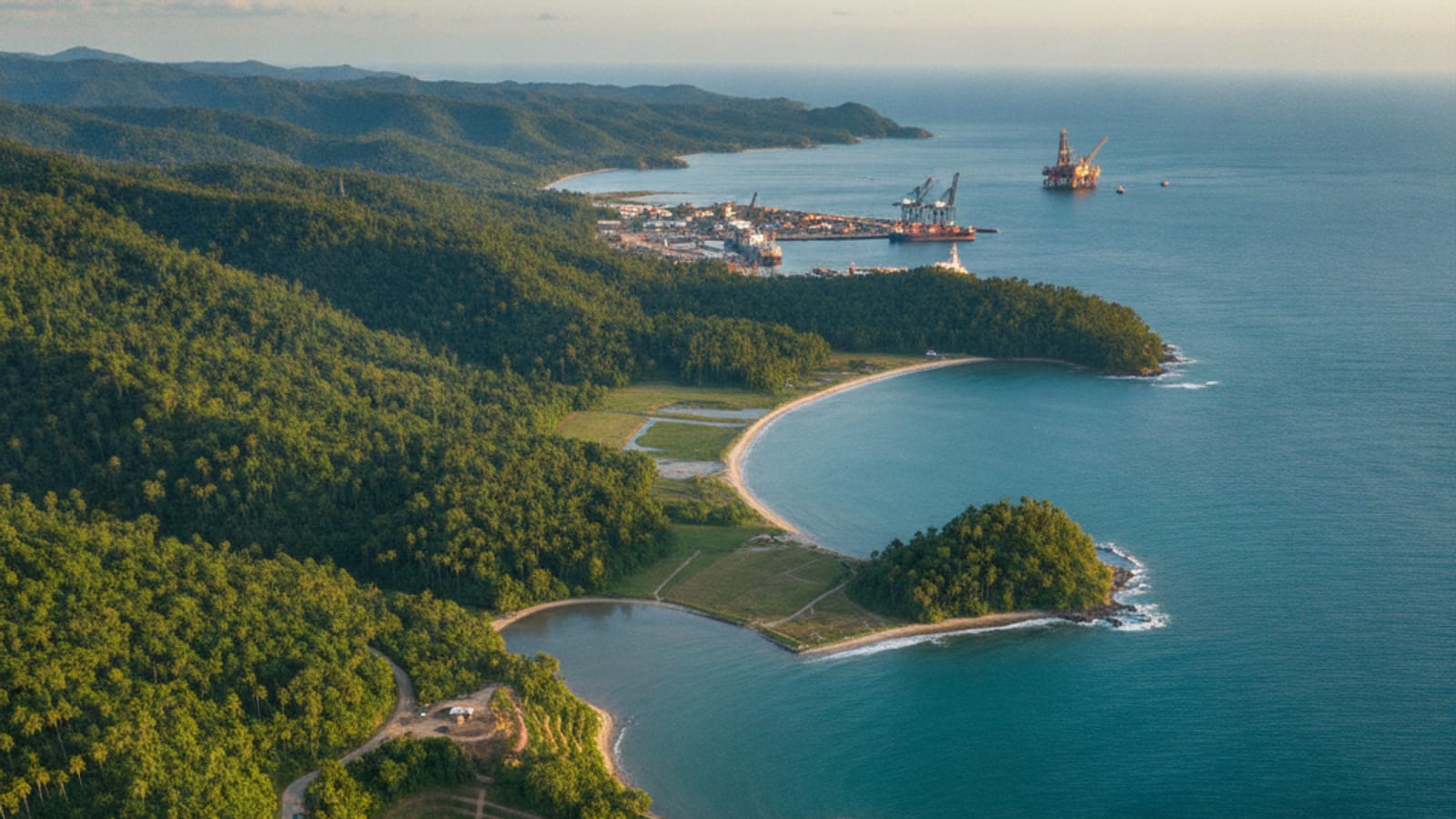
The news regarding Woodside’s exit from the Greater Sunrise LNG project, as reported by Energy Intelligence, signals a significant juncture for Timor-Leste’s long-term economic planning. While the full implications will unfold over time, this development introduces new dynamics that organisations operating or considering investment in Timor-Leste should carefully consider.
At its core, the Greater Sunrise project represents a substantial potential source of future revenue for Timor-Leste, crucial for national development and budget stability. Any uncertainty or delay in its progression can have ripple effects across the economy, influencing government spending priorities, infrastructure projects, and the overall business environment. For local businesses, this might mean adjusting expectations regarding contracts, supply chain opportunities, or the pace of economic growth linked to major national projects. Foreign investors, meanwhile, may view this development as an indicator of the complexities inherent in large-scale resource projects in the region, prompting a re-evaluation of risk profiles.
Implications for Investment and Economic Diversification
The departure of a major international player like Woodside can influence global perceptions of Timor-Leste’s investment climate. While the specific reasons for the exit are not detailed, it underscores the importance of a stable and predictable regulatory environment for attracting and retaining foreign direct investment (FDI). Organisations considering new ventures or expanding existing operations here should monitor how the government addresses this ‘dilemma’ and what strategies are put in place to ensure the project’s future or to pivot towards alternative economic drivers. A robust and transparent approach to project management and investor relations will be key to maintaining confidence.
Furthermore, this development reinforces the long-standing national imperative for economic diversification. Reliance on a single major resource project, no matter how promising, carries inherent risks. Businesses and NGOs should observe how this situation might accelerate government efforts to promote growth in other sectors such as agriculture, fisheries, tourism, or small and medium enterprises (SMEs). For organisations involved in these sectors, or those providing support services, this could potentially lead to new opportunities and a renewed focus on building local capacity and resilience.
What This Means for Local Businesses and Workforce Planning
For businesses operating within Timor-Leste, particularly those in the services, logistics, or construction sectors, the immediate impact might be subtle but warrants attention. Large-scale resource projects typically generate demand for a wide array of support services, from transport and accommodation to specialised technical expertise. Uncertainty around Greater Sunrise could lead to a reassessment of future demand forecasts for these services. Organisations should review their strategic plans, consider potential adjustments to staffing levels, and explore ways to diversify their client base or service offerings to mitigate risks associated with project delays or changes.
From a workforce perspective, the long-term development of Greater Sunrise was anticipated to create significant employment and training opportunities for Timorese nationals. Any slowdown or change in the project’s trajectory might impact the pipeline of skilled labour and local content requirements. Employers should continue to invest in training and development, focusing on transferable skills that are valuable across multiple sectors, to build a resilient and adaptable workforce. This also highlights the ongoing need for educational institutions and vocational training centres to align their curricula with the evolving needs of the Timorese economy, ensuring graduates are well-prepared for a diverse job market.
Source: East Timor Faces Greater Sunrise LNG Dilemma After Woodside Exit — Energy Intelligence
This article is general information, not advice. Rules and rates change and your situation may differ. Talk to us before acting on anything here.