
Timor-Leste's Salt Industry Drive: What it Means for Businesses
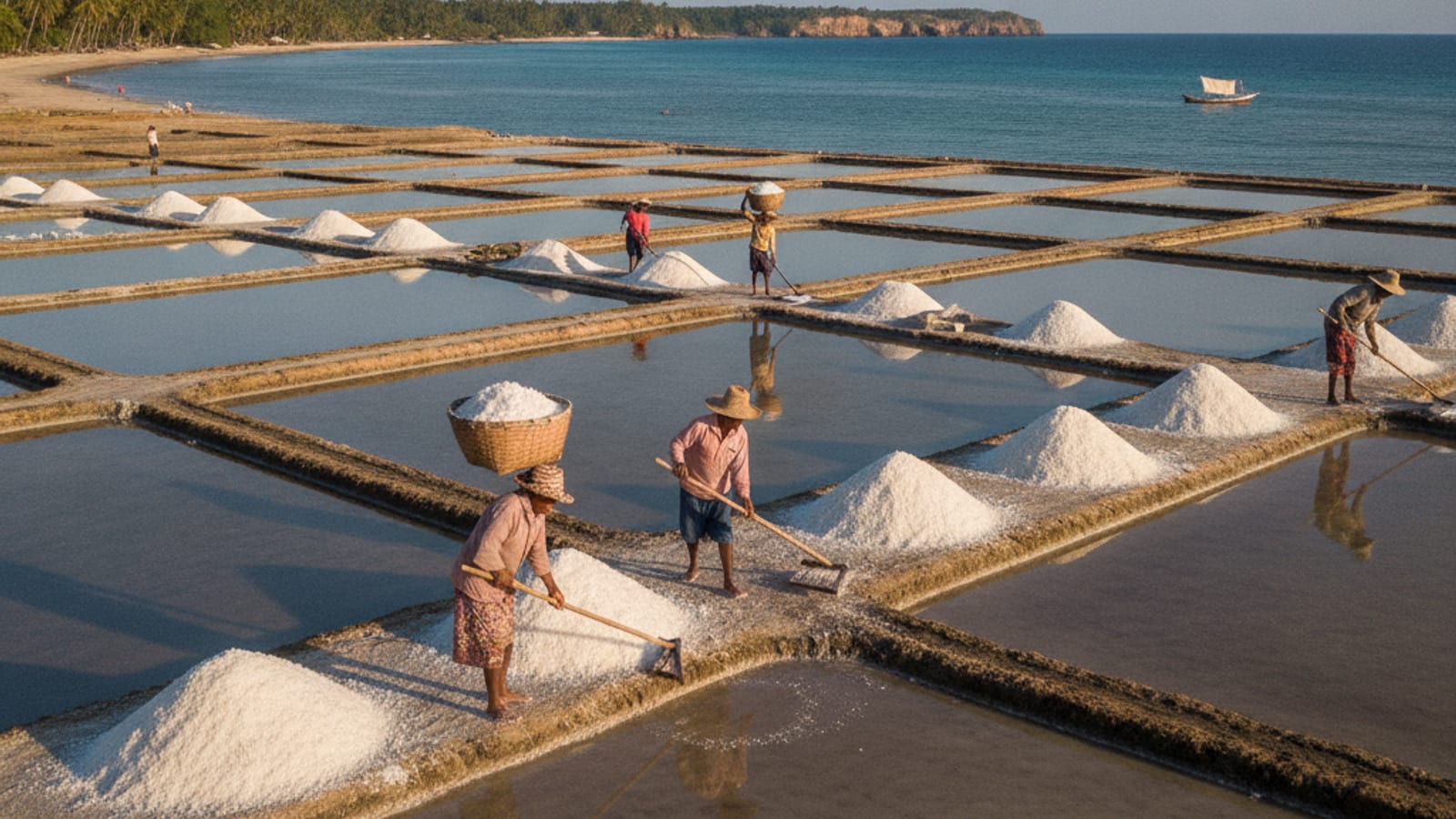
The recent signing of a Memorandum of Understanding (MoU) between Timor-Leste’s Ministry of Commerce and Industry (MCI) and local company Lijuramosxdaily Unipesoál, Lda to develop the domestic salt industry marks a significant step towards economic diversification and import substitution. According to TATOLI, Minister Nino Pereira highlighted this initiative as a government effort to support a strong private sector and leverage Timor-Leste’s economic potential. This partnership aims to establish an integrated, domestically-produced salt industry, reducing reliance on imports and fostering local value addition.
Implications for Local Supply Chains and Business Operations
The government’s stated objective to reduce import dependency for salt by developing competitive, internationally compliant local production has direct implications for businesses operating in Timor-Leste. Organisations currently importing salt, particularly those in food processing, hospitality, and even some industrial applications, should begin to monitor the progress of this initiative closely. A successful local salt industry could offer a more stable and potentially cost-effective supply chain, reducing lead times and logistical complexities associated with international sourcing. Businesses should assess their current salt requirements, including purity, grain size, and packaging specifications, and prepare to evaluate local alternatives as they become available. The emphasis on “international quality” is crucial here; for local salt to genuinely substitute imports and achieve export potential, it must meet stringent standards. This will require robust quality control processes from the producer and potentially new certification requirements for businesses integrating this local input. This move could also stimulate ancillary industries, such as specialised packaging, logistics, and distribution, creating new opportunities for local suppliers and service providers to support the burgeoning salt sector.
Signalling Broader Industrial Policy and Regional Development
Beyond the immediate impact on the salt sector, this MoU signals a clear government commitment to its industrialisation policy and the active valorisation of local products. Minister Pereira’s appreciation for Lijuramosxdaily’s willingness and capacity underscores a growing emphasis on empowering Timorese private sector entities to lead national development efforts. This approach, where the government provides support and the private sector drives implementation, could serve as a model for other industries identified for domestic development. Businesses and investors should look for similar public-private partnerships emerging in other strategic sectors. Furthermore, the stated goal of creating employment and income in participating municipalities indicates a strong focus on decentralised economic growth. For employers, this means potential new talent pools outside Dili and a diversification of the local economy, which can contribute to overall consumer demand. A more robust, diversified industrial base, driven by local production and value addition, contributes to overall food security and economic resilience. This indirectly benefits all businesses by fostering a more stable operating environment and potentially increasing disposable income in regional areas. Investors, both local and foreign, should interpret this as an invitation to explore opportunities in sectors where local production can replace imports or create export potential, aligning with the government’s strategic vision for self-sufficiency and economic growth.
Source: Ministru Nino Pereira asina nota entendimentu ho Lijuramosxdaily dezenvolve indústria masin — TATOLI
This article is general information, not advice. Rules and rates change and your situation may differ. Talk to us before acting on anything here.